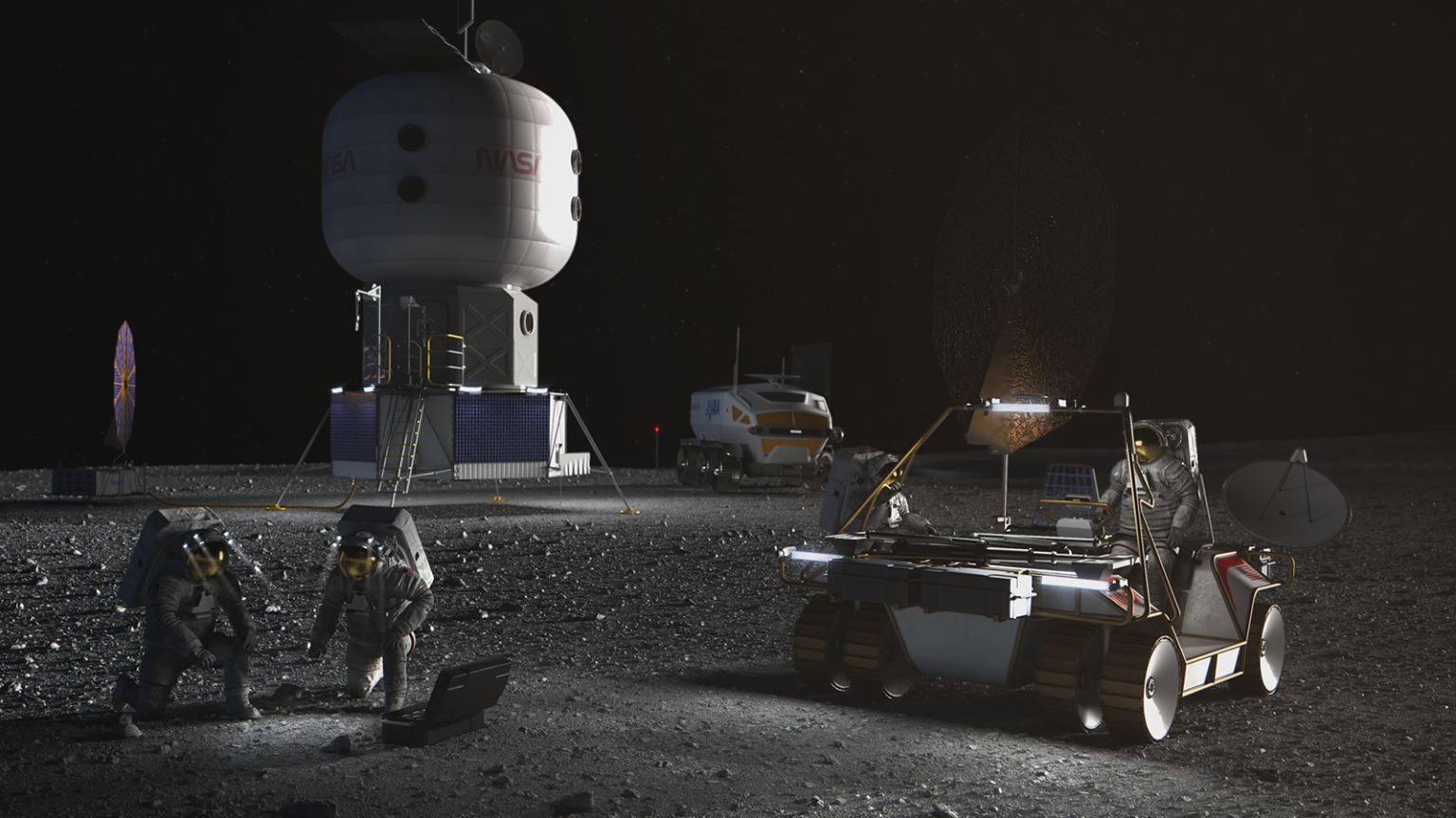






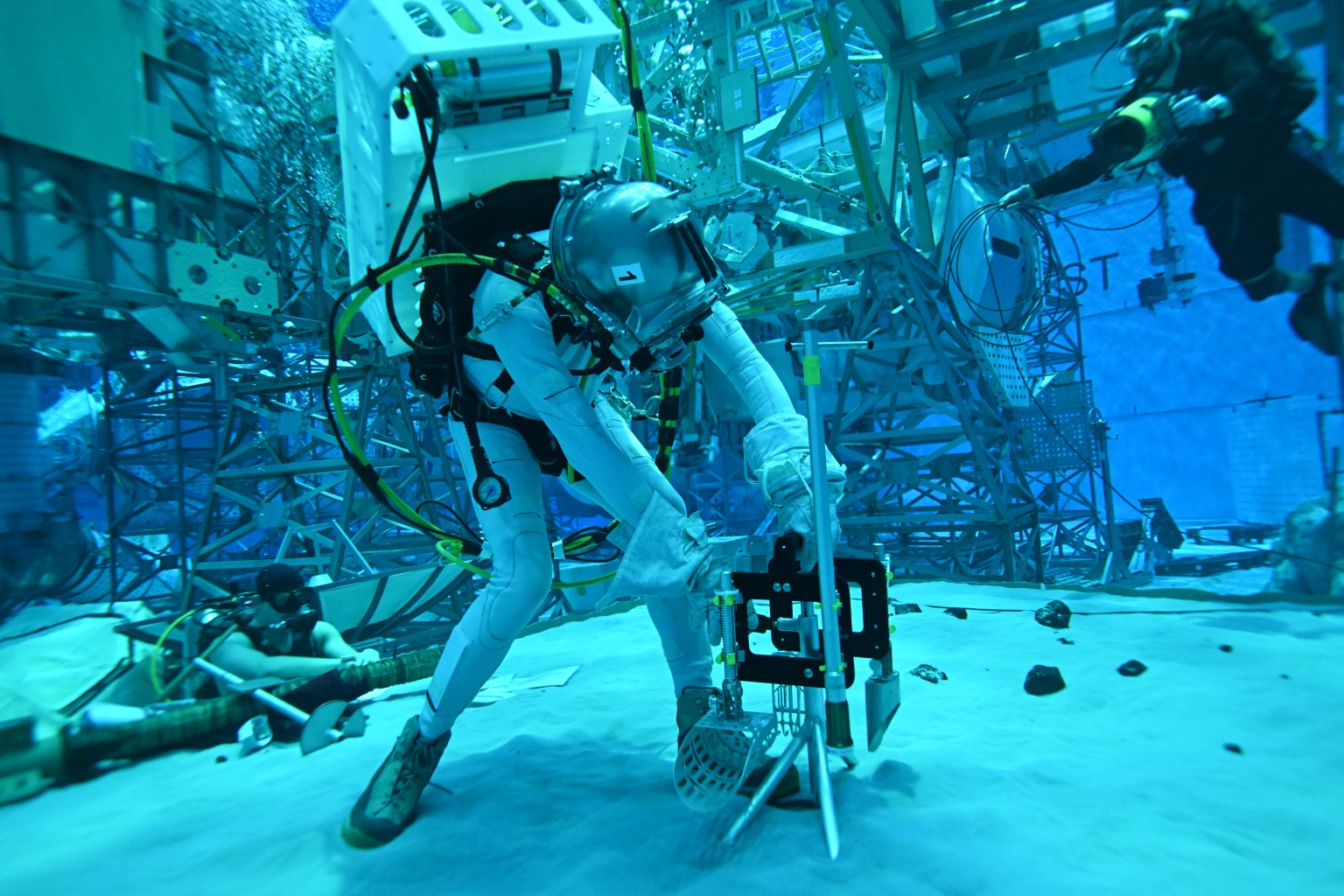
NASA’s Artemis program will establish a sustainable lunar presence, unlock new scientific discoveries, and develop technologies for spaceflight to Mars and beyond – and students can help shape this new era of space exploration.
As America launches this new Golden Age of innovation and exploration, NASA and its partners offer exciting opportunities for students to get involved in the mission and strengthen the future workforce through internships, competitions, and more.
Turn Skills Into Impact With NASA Internships
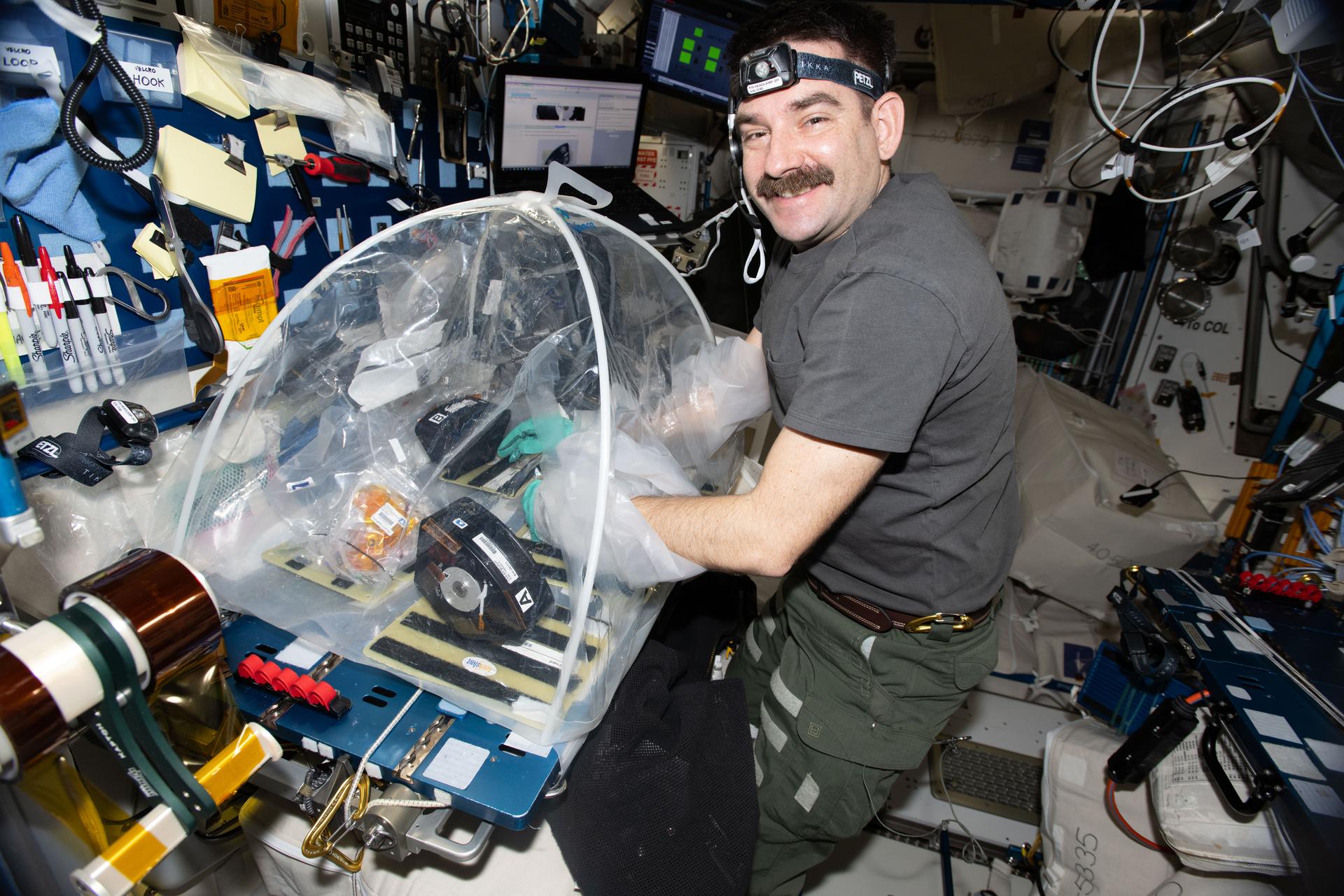
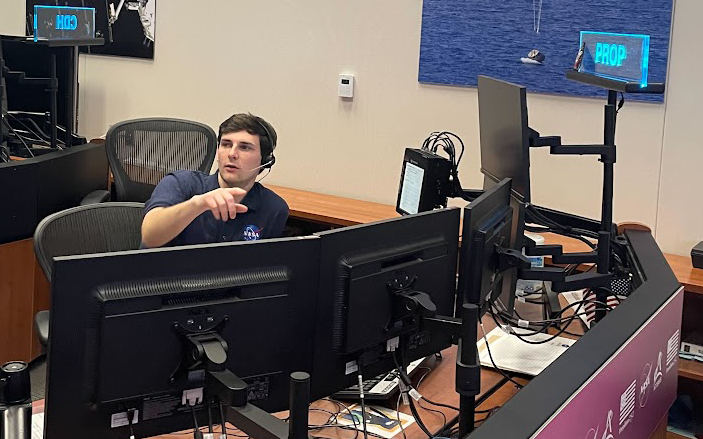
NASA Internships enable U.S. college students to contribute to Artemis through their work on projects supporting lunar exploration, spacecraft systems, and the cutting-edge technology development that makes deep space missions possible.
As NASA interns, students gain hands-on experience that builds technical skills, connections, and career readiness. Interns collaborate with agency professionals and receive guidance from supportive mentors, all while tackling authentic challenges posed by advanced spaceflight. NASA internships go beyond learning experiences to provide a launch pad into the workforce.
Want to learn more? Explore the NASA Internships website, follow NASA Internships on Instagram, and check out our 5 Tips to Craft a Standout Internship Application.
Innovate Solutions Through NASA Student Design Challenges
NASA’s student design challenges offer hands-on STEM experience and an introduction to the skills needed for aerospace careers. These challenges build technical expertise, problem-solving skills, and confidence, preparing participants for roles in the nation’s STEM workforce while giving them a chance to make an impact on the agency’s most ambitious goals. Here are the NASA student challenges focusing on Artemis and related technologies:
- Human Exploration Rover Challenge: Teams of high school and college students from around the world build and then race pedal-powered rovers over a lunar-like obstacle course at the U.S. Space & Rocket Center in Huntsville, Alabama.
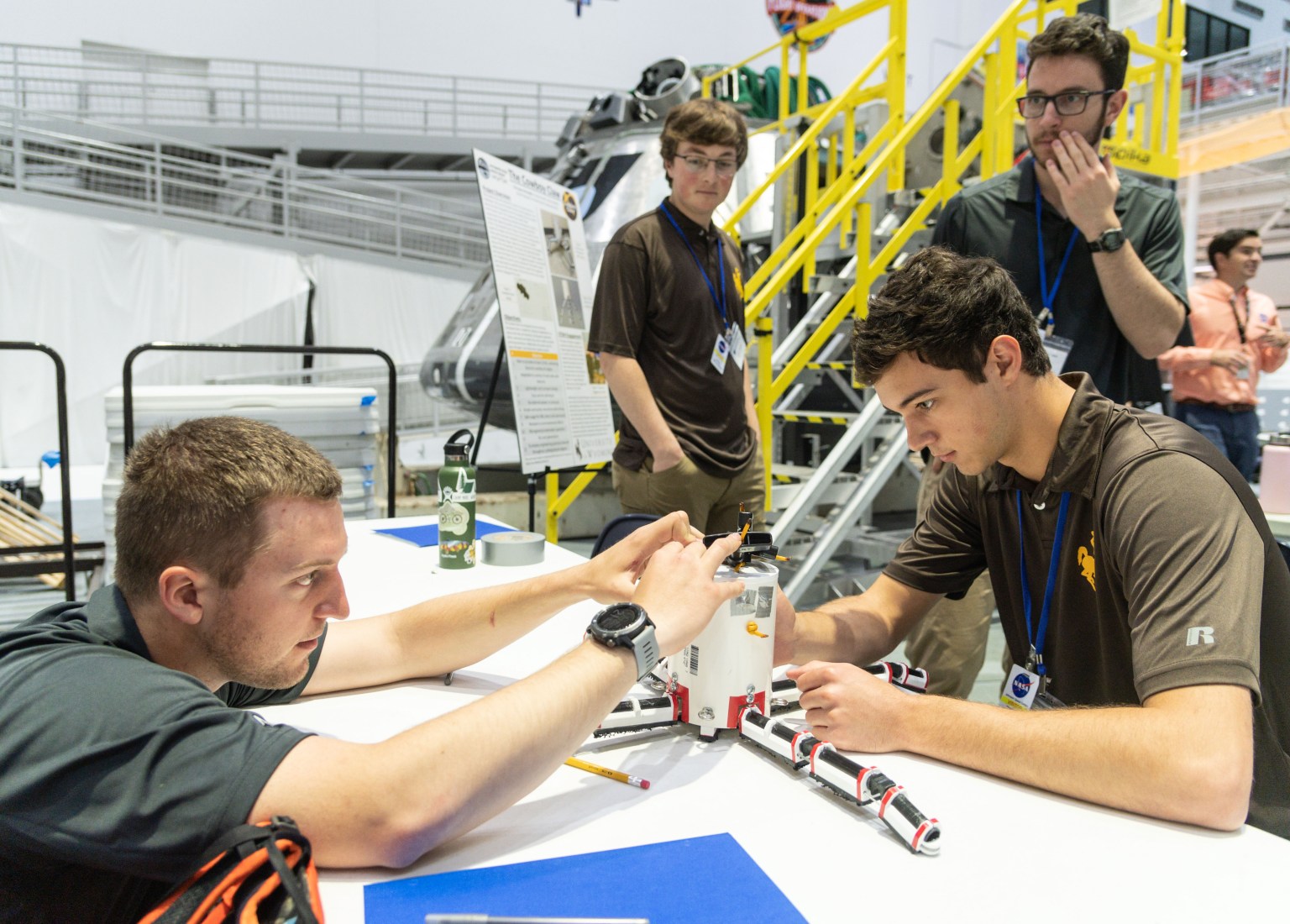
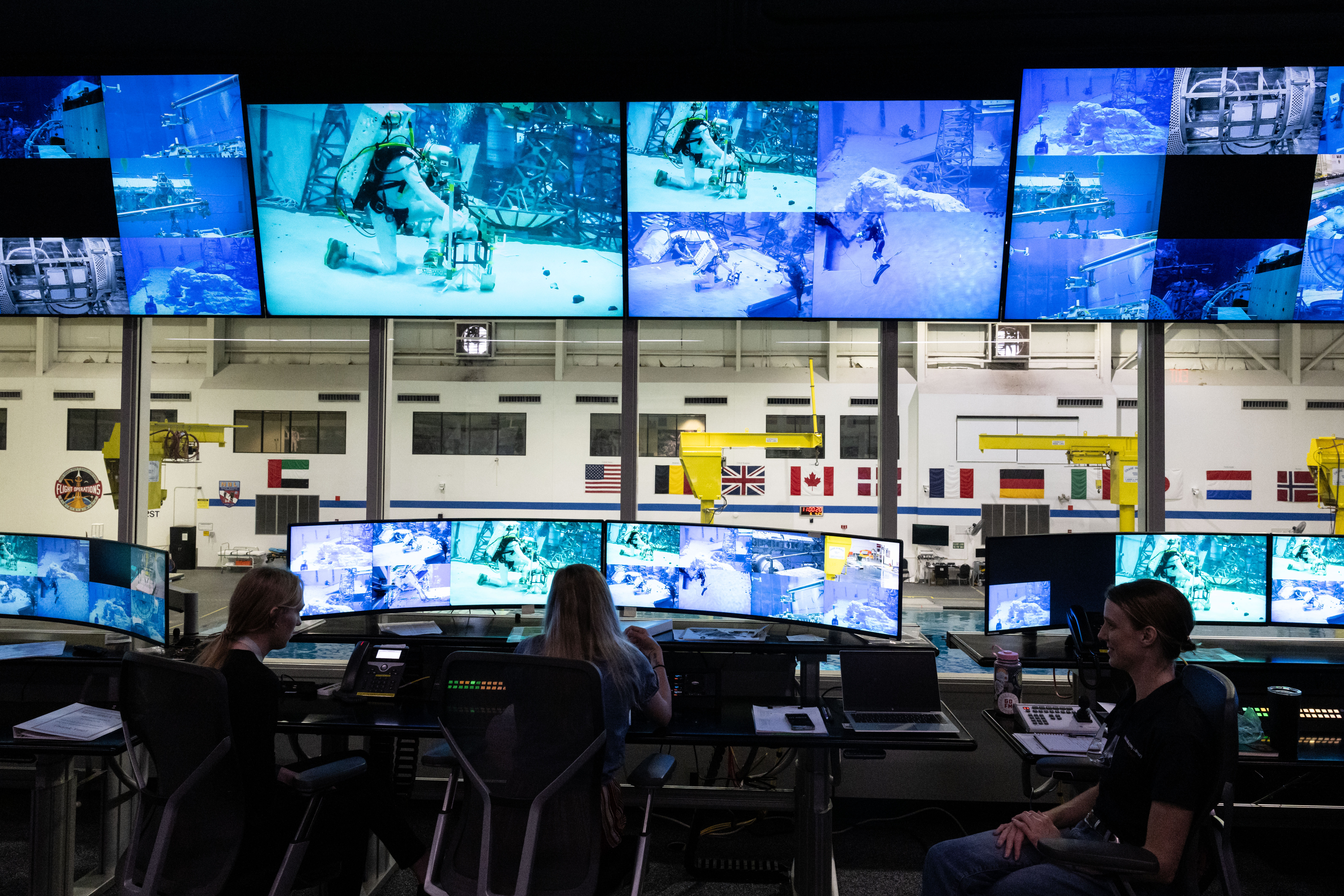
- Micro-g Neutral Buoyancy Experiment Design Teams (Micro-g NExT): U.S. undergraduate teams are tasked with designing, building, and testing space exploration tools in simulated microgravity at Johnson Space Center’s Neutral Buoyancy Laboratory.
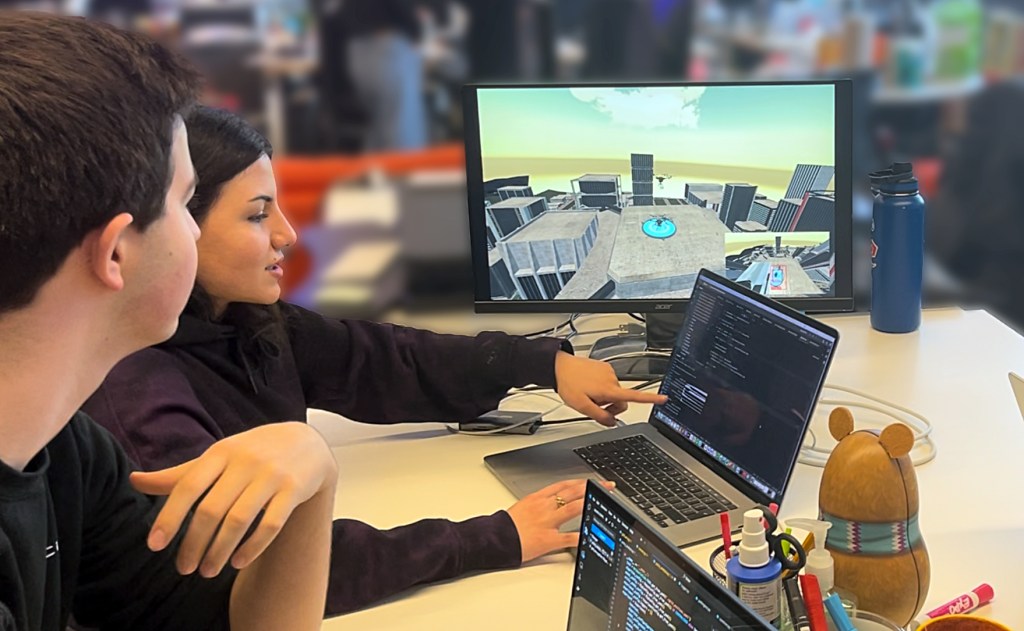
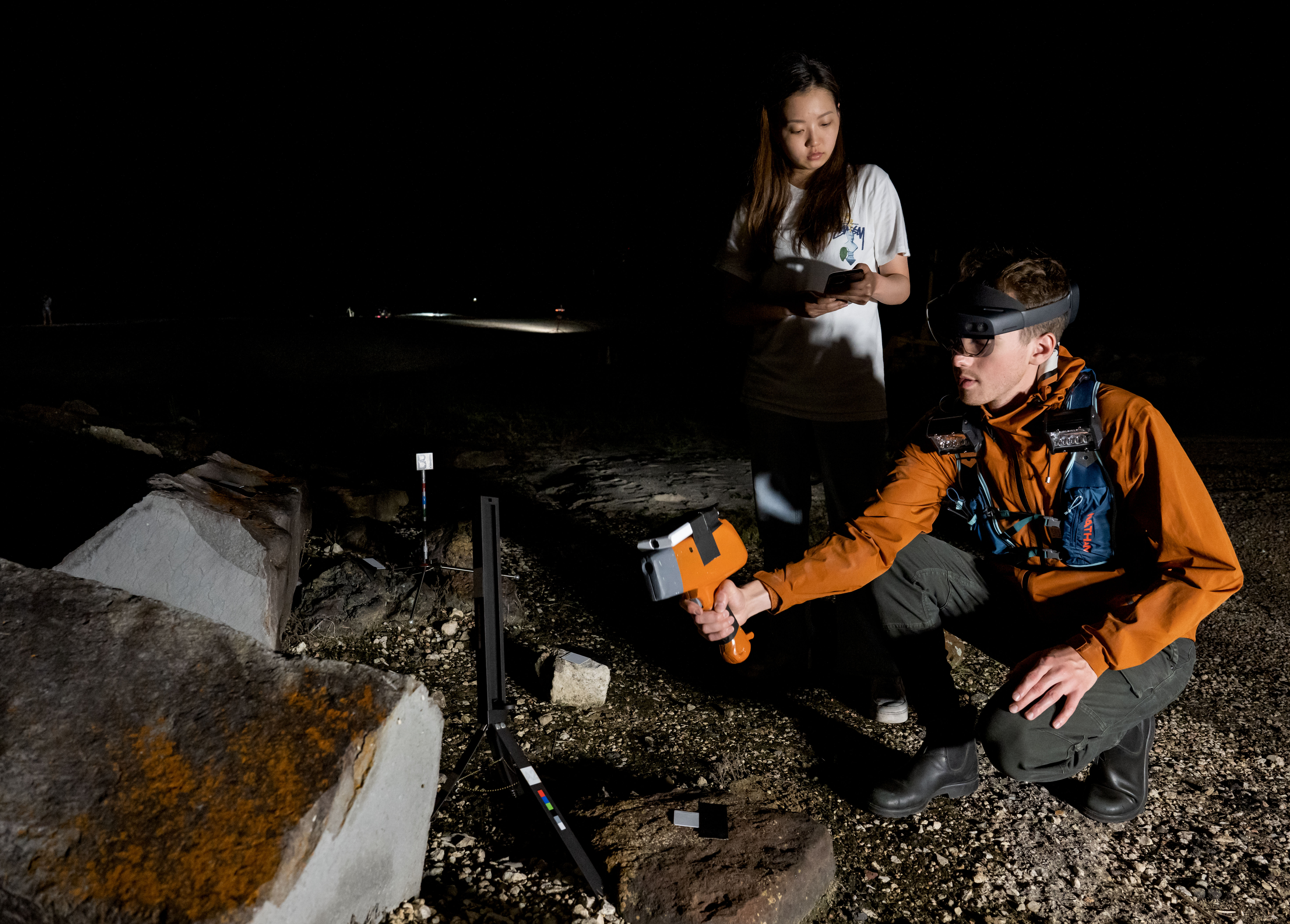
- NASA Spacesuit User Interface Technologies for Students (NASA SUITS): This challenge engages college students nationwide in the design of next-generation spacesuit user interfaces – technologies supporting future human exploration on the Moon or Mars.
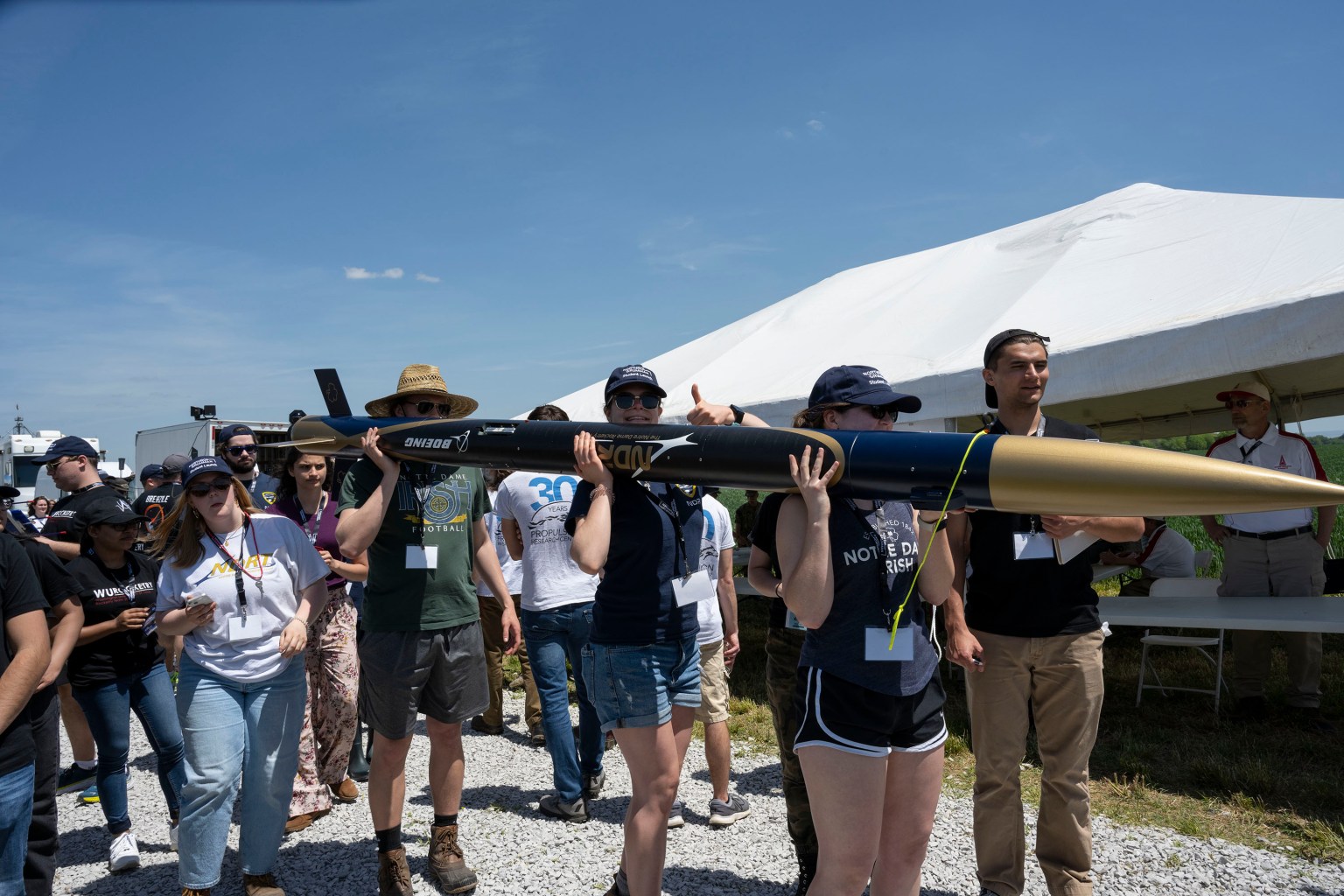
- NASA’s Student Launch: U.S. student teams are challenged to design, build, and launch a high-powered rocket with a scientific payload, culminating in an annual final launch at Marshall Space Flight Center in Huntsville, Alabama.
Engage With Artemis Through the World of Minecraft
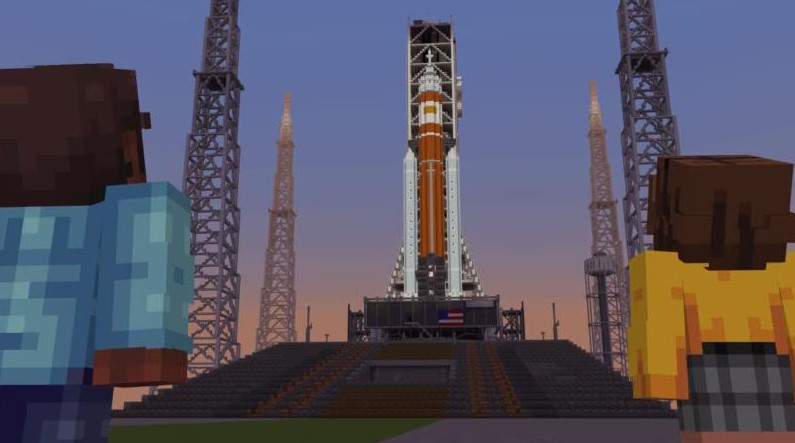
Student teams can dive into the Artemis program inside the Minecraft universe. Since 2023, players have been building rockets, launching missions to the Moon, and creating bases on the lunar surface through a partnership between Minecraft Education and NASA. This April, the collaboration’s Artemis adventures will expand to include the new Minecraft Education Build Challenge, Mission Control: Artemis. Students will step into NASA’s Mission Control, use block-based code to guide a spacewalk on the lunar surface, and dream up the ultimate control center for the next generation of space explorers.
Be Part of the Next Giant Leap
NASA and the nation are embarking on a new era in human spaceflight, and students are invited to get involved, increase their knowledge, and learn how they can transform a passion for STEM into a rewarding role in the aerospace workforce.
Ready to be part of NASA’s next giant leap? Check out NASA’s Learning Resources website to learn more about current student opportunities and career resources from NASA’s Office of STEM Engagement.