






Suggested Searches

Blogs

  • Expedition 74 Turns Attention to Departing Crewmates

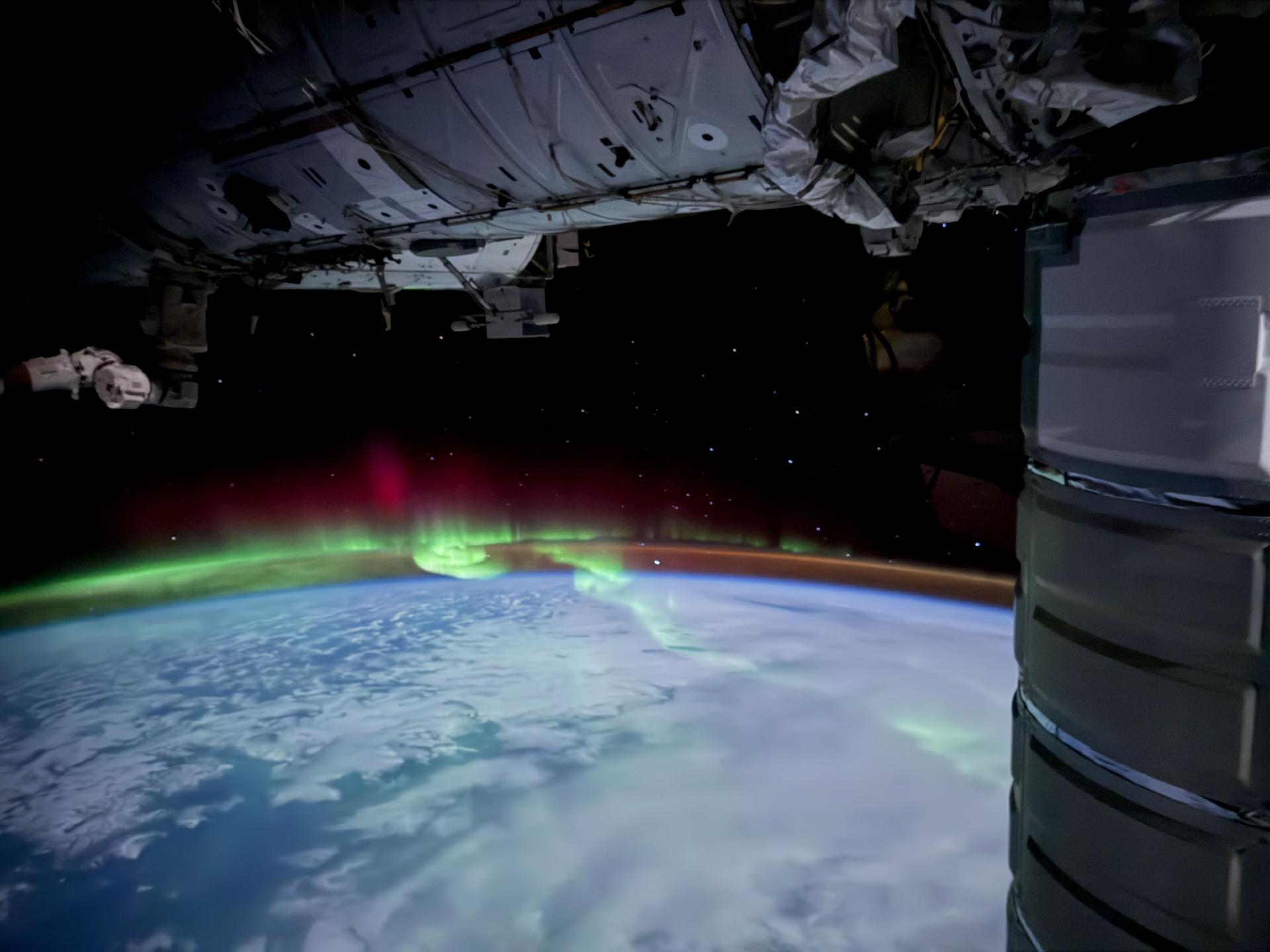
    The aurora australis streams across the southern Indian Ocean with an airglow outlining Earth's atmosphere in this photograph from the International Space Station as it orbited 274 miles above.

    Three Expedition 74 crew members are packing up cargo and handing over their responsibilities with less than one week to go before returning to Earth. The International Space Station’s three newest crewmates are already in the second week of their mission getting used to life on orbit and researching how microgravity affects the human body.

  • Week Wraps with New Crew Adjustments and Human Research Studies

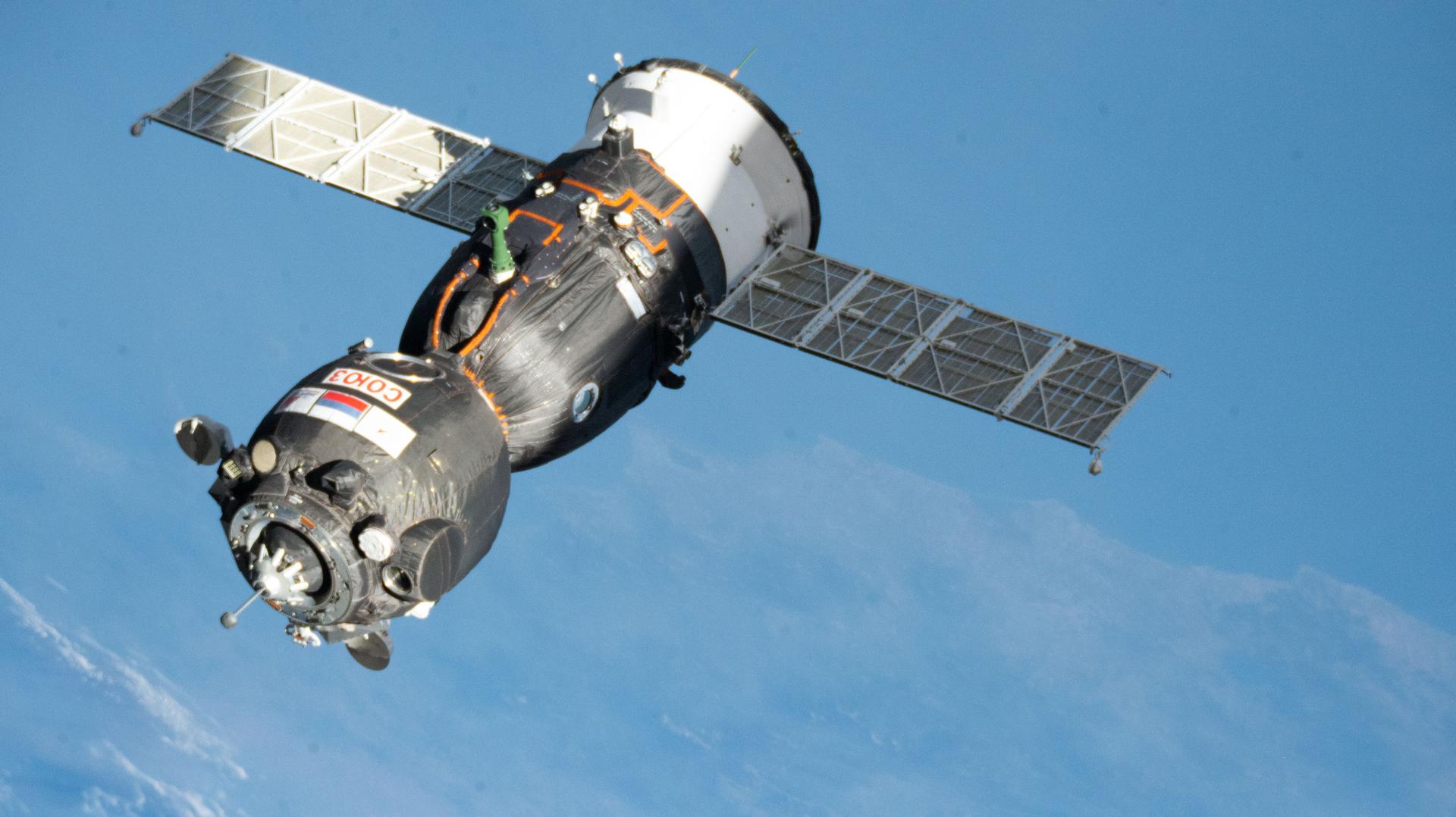
    The Soyuz MS-29 spacecraft, carrying NASA astronaut Anil Menon and Roscosmos cosmonauts Pyotr Dubrov and Anna Kikina, approaches the International Space Station for an automated docking while both spacecraft were orbiting 264 miles above the Mediterranean Sea in between Spain and Italy.

    Crew swap activities are underway aboard the International Space Station as three new crewmates continue getting up to speed with living and working in microgravity and another Expedition 74 trio prepares to return to Earth. Meanwhile, scientific operations are back in full swing aboard the orbital outpost with lab residents studying how weightlessness affects the human body.

  • What’s a Chase Plane and Why Does the X-59 Have One?

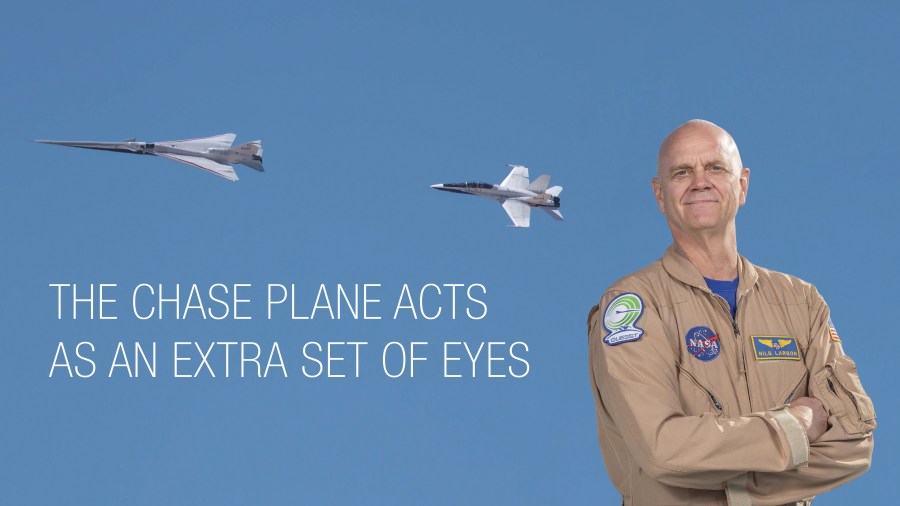
    The X-59 and it's chase plane in flight with a photo of Nils Larson and the text The chase plane acts as an extra set of eyes.

    You may have noticed that NASA’s X-59 has a shadow – another aircraft trailing it from a safe distance. That sidekick is known as a “chase plane,” and it has an important role in NASA’s Quesst mission. Chase planes are commonly used during the flight testing of major experimental aircraft, providing an extra layer of observation and support for test pilots. […]

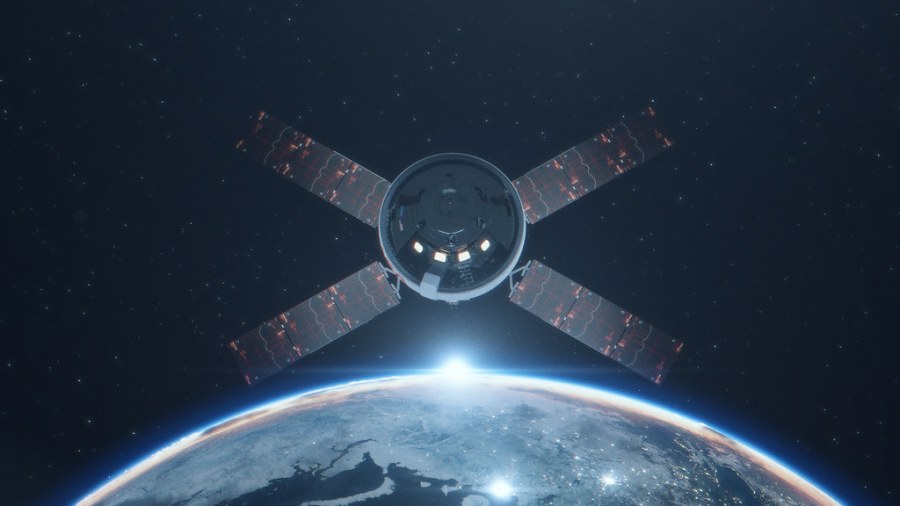
  • NASA Taps SpaceX’s Starlink to Deliver Artemis III Imagery from Orion

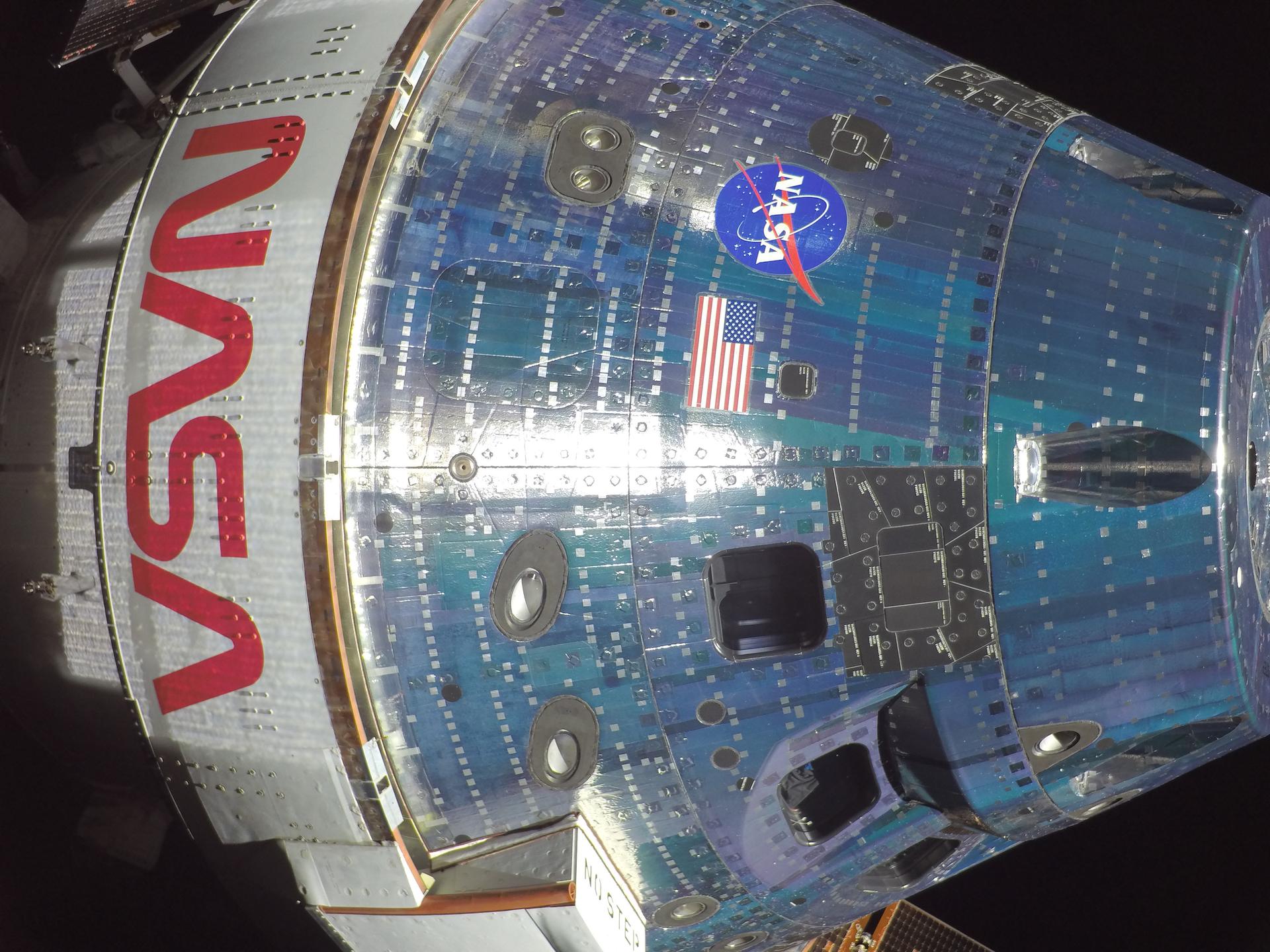
    NASA has selected SpaceX to deliver laser communications capabilities for next year’s Artemis III mission, enabling the agency to provide a front row seat for viewers from the Orion spacecraft as four astronauts test rendezvous and docking capabilities between Orion and test versions of commercial human landing systems needed to return astronauts to the Moon in 2028.  To supplement Orion’s existing communications system, NASA will install two of SpaceX’s Starlink mini laser terminals – the same laser […]

  • Expanded Crew Works Science, Microgravity Adaptation, and Next Crew Departure

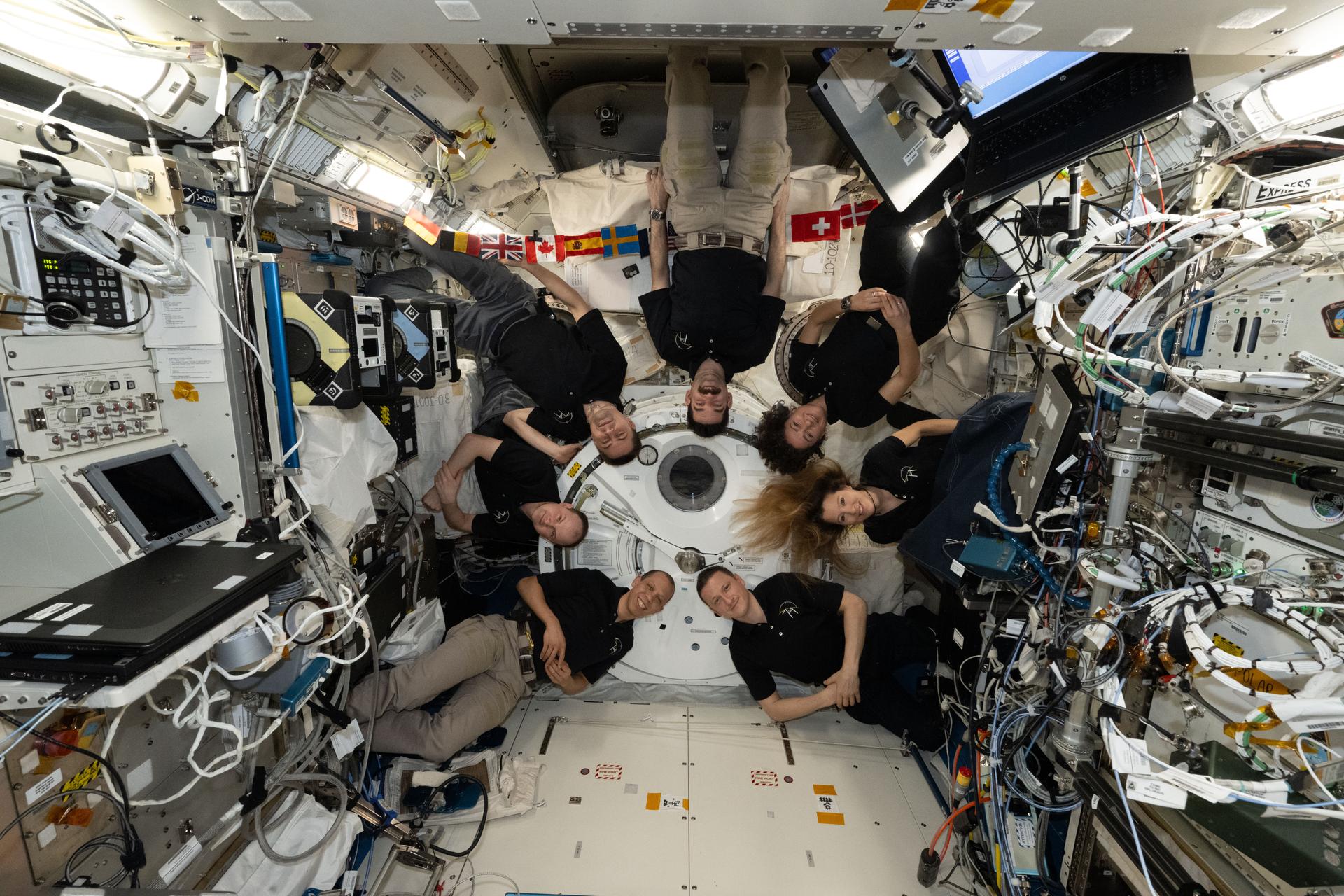
    The seven-member Expedition 74 crew poses together for a fun portrait inside the International Space Station's Kibo laboratory module. Clockwise from bottom left, are NASA astronaut Chris Williams, Roscosmos cosmonauts Sergei Mikaev and Andrey Fedyaev, NASA astronauts Jack Hathaway and Jessica Meir, ESA (European Space Agency) astronaut Sophie Adenot, and Roscosmos cosmonaut Sergey Kud-Sverchkov.

    The International Space Station is a busy place hosting ten crewmates from NASA, Roscosmos, and ESA (European Space Agency) through the end of July. The expanded Expedition 74 crew is continuing its microgravity research, helping three new arrivals adjust to life in space, and preparing for the departure of another three crew members. NASA flight […]

  • Telescope Milestone: Teams Check Out NASA Roman Solar Panels

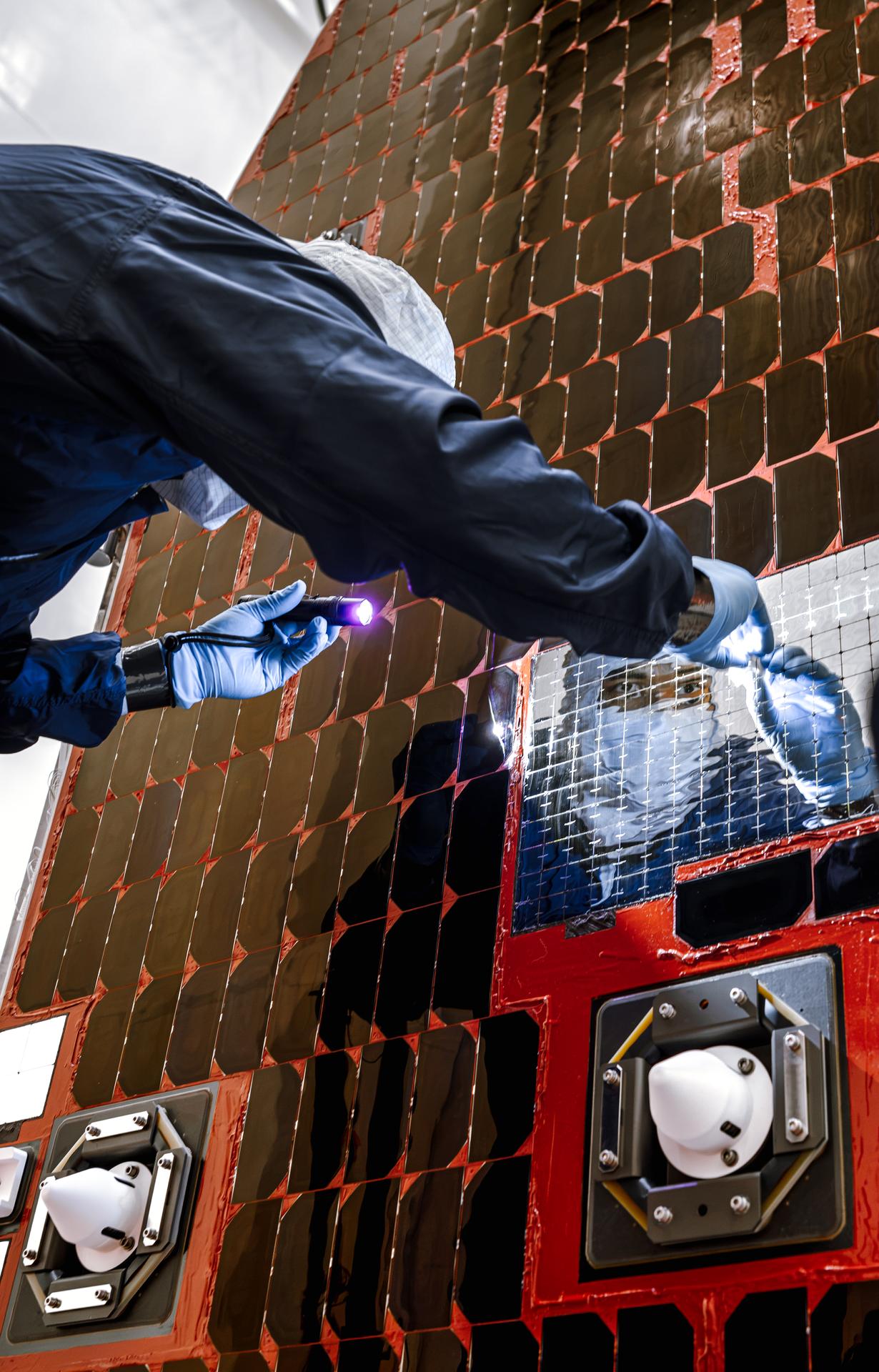
    The solar panels that will help power NASA’s Nancy Grace Roman Telescope completed prelaunch cleaning and inspections July 8 at the Payload Hazardous Servicing Facility at NASA’s Kennedy Space Center in Florida. Engineers and technicians are following necessary procedures to protect Roman from tiny debris, dust, or other material so that it operates optimally in […]

  • New NASA Study Says Possibly No Limit to Solar Storm Effects

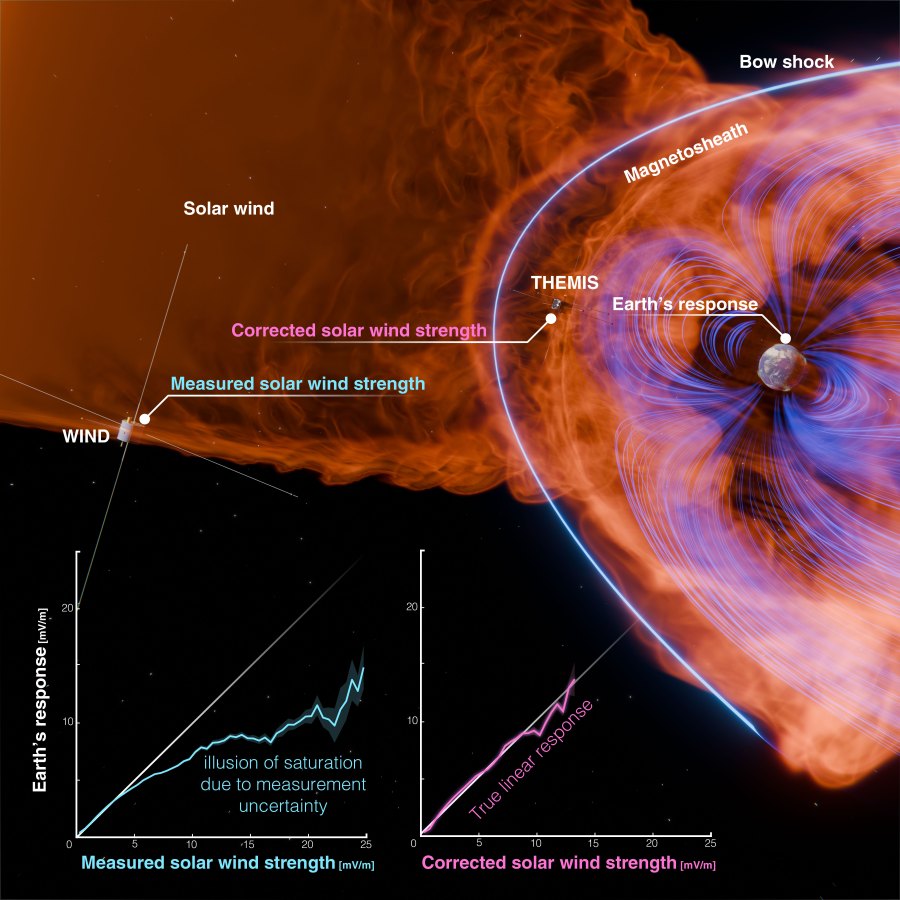
    For decades, scientists have thought that there is a ceiling to how intensely Earth responds to solar storms. However, a NASA-led paper published Wednesday in Nature suggests this upper limit is an illusion. If so, it means solar storms could have far worse effects on our technology than previously thought. Observations have suggested that electric […]