






Featured News
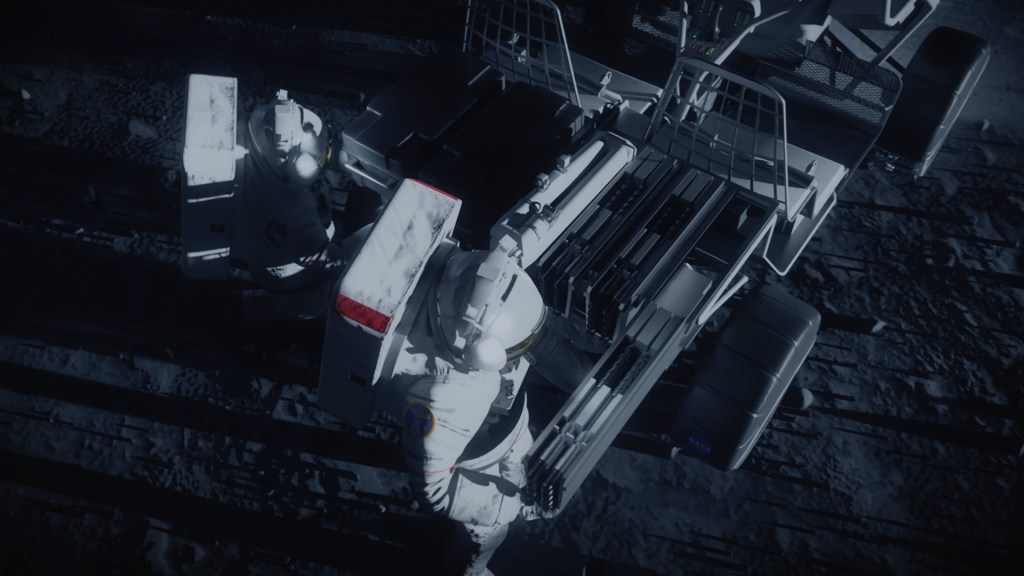



Rigorous Analysis Confirms NASA’s Artemis II Heat Shield Performance

NASA to Discuss Artemis Acceleration, Status of Upcoming Moon Missions
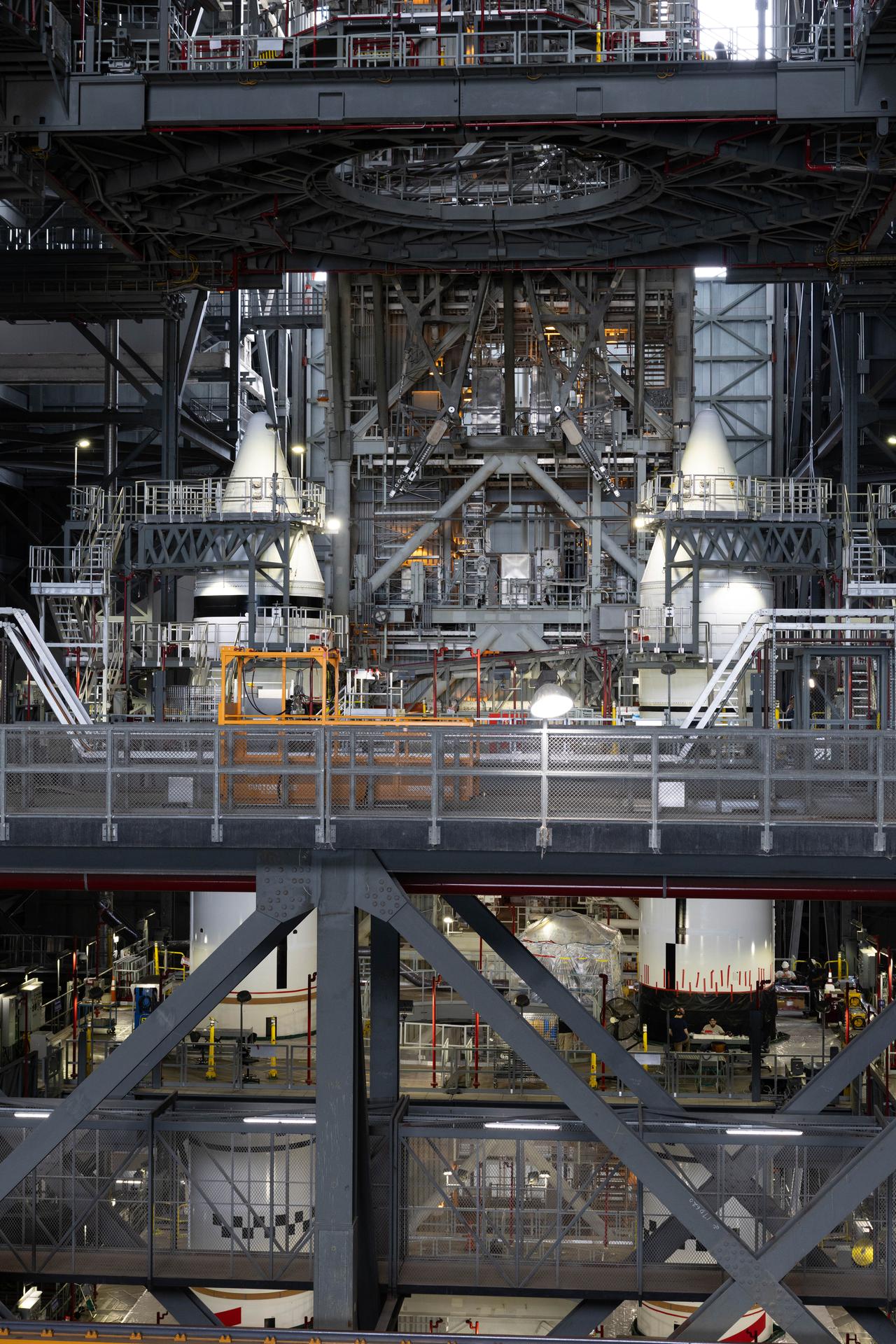
NASA Completes Artemis III Booster Stacking, Shares Status Update

NASA JPL Testing Readies Voyager Technologies Lander for Moon Mission
Artemis Missions

Artemis I
NASA successfully launched an uncrewed test flight of the SLS (Space Launch System) rocket and Orion spacecraft in Nov. 2022. This mission marked the first launch of the rocket using new exploration ground systems and evaluated Orion’s systems without astronauts or the critical life support systems planned for future crewed missions.
Artemis II
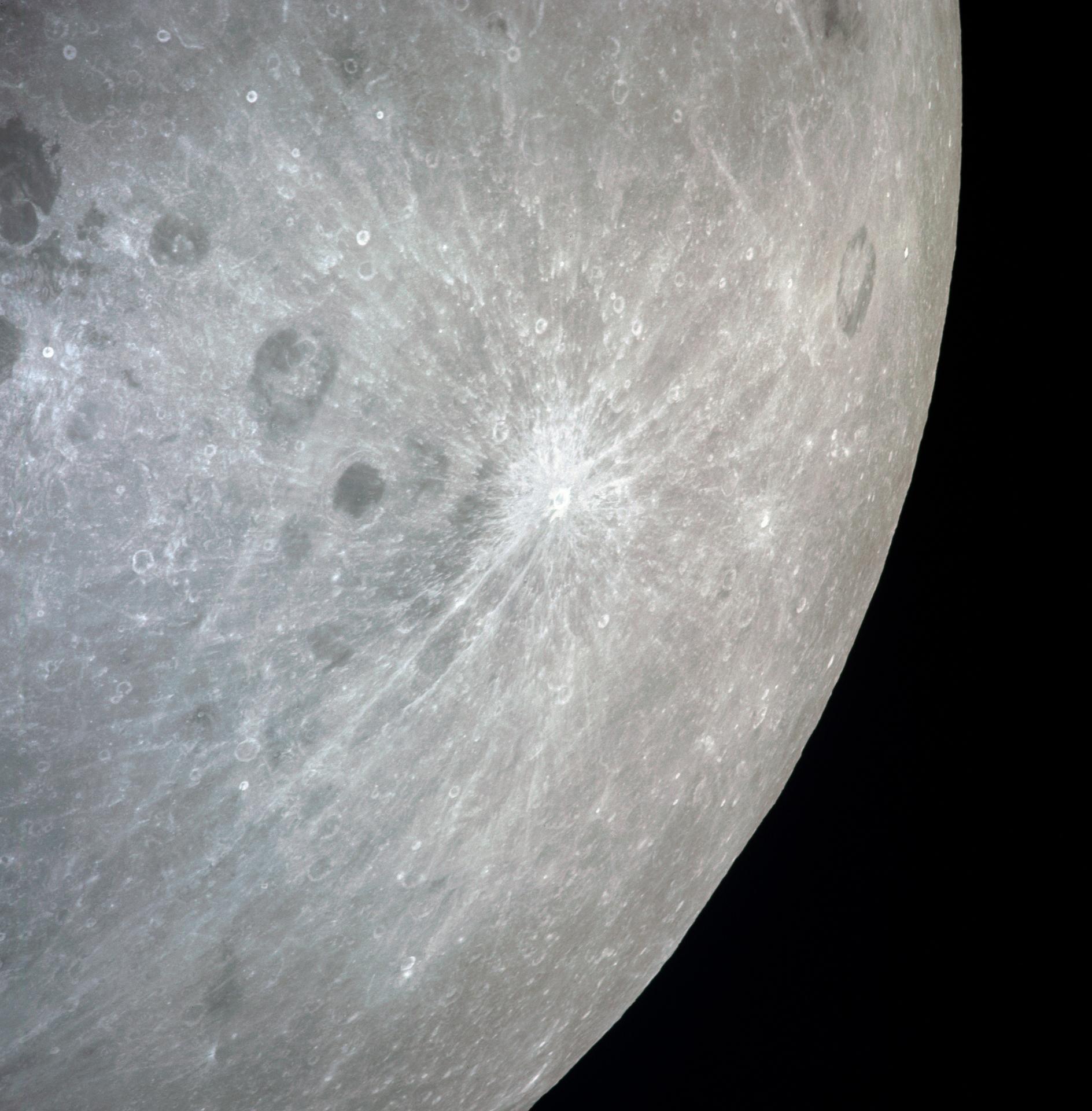
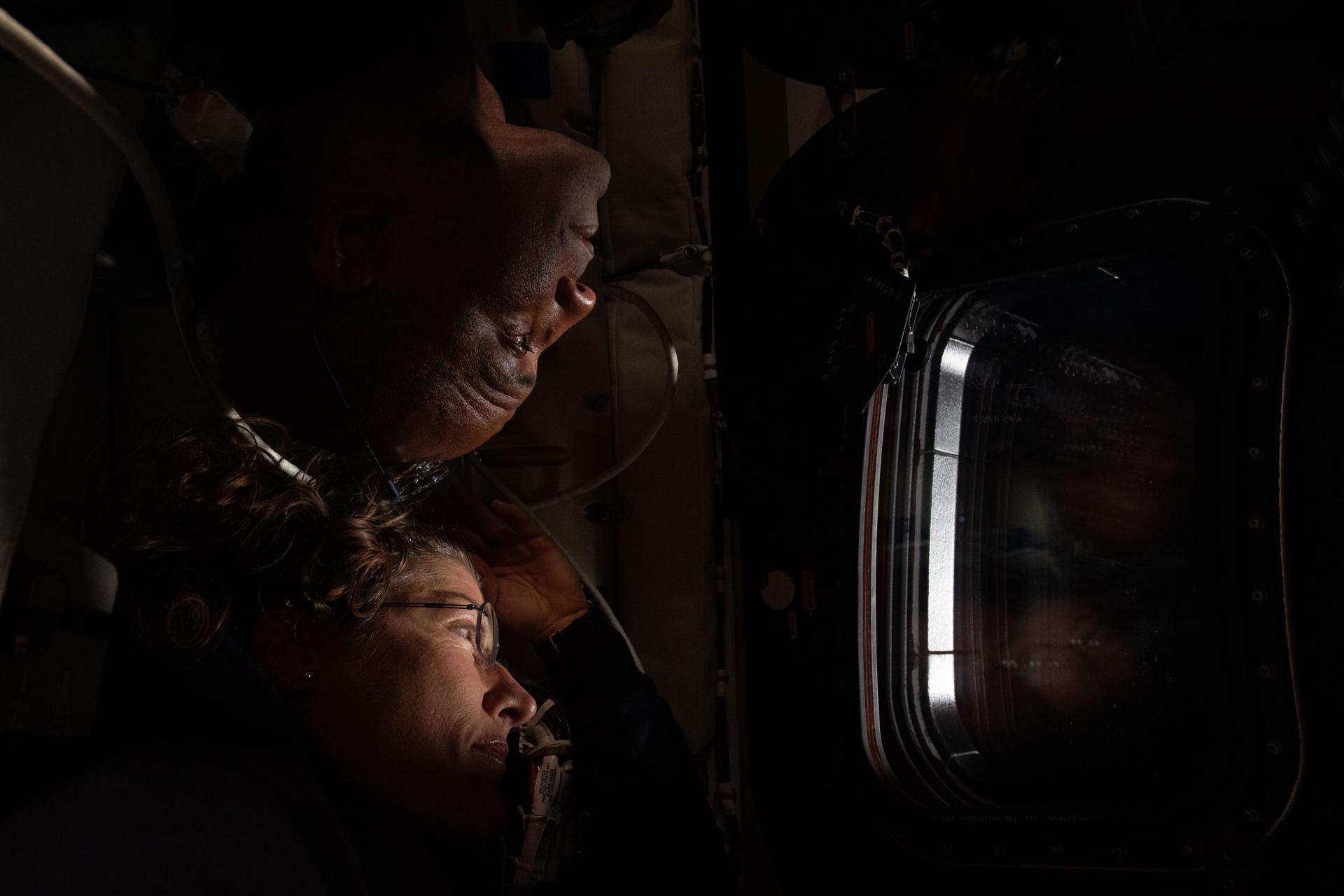
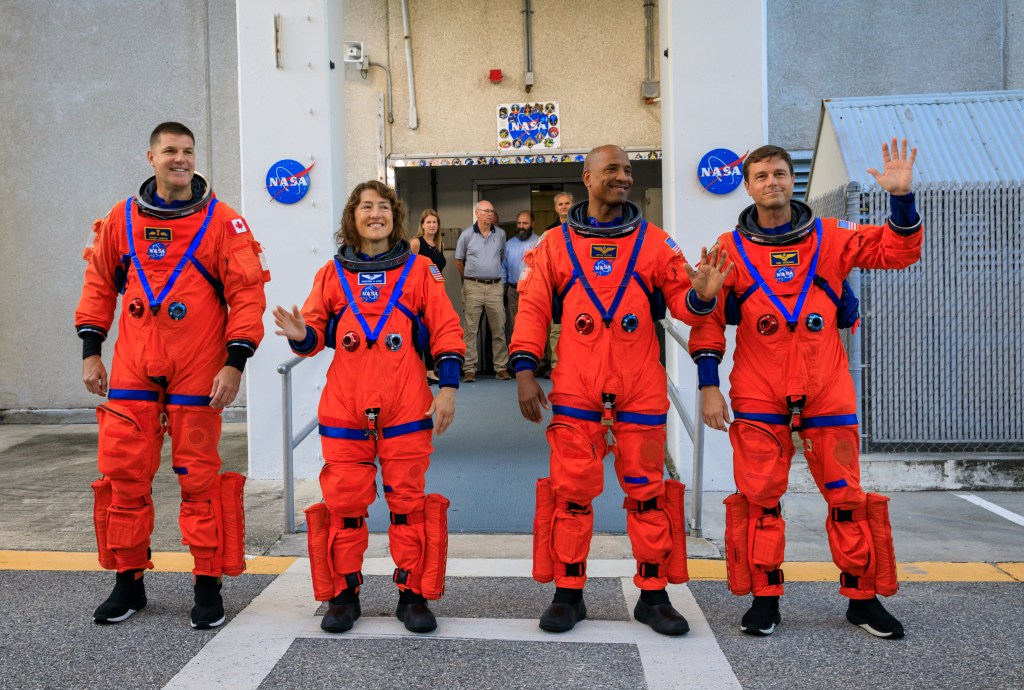
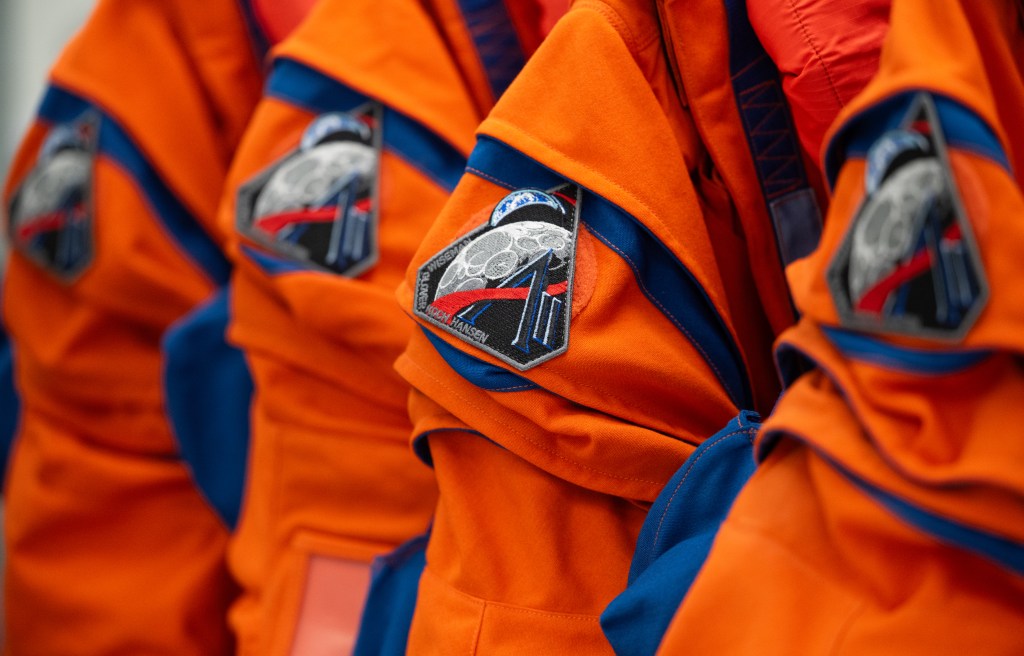
In April 2026, Artemis II launched on a nearly 10-day voyage around the Moon, marking the first crewed flight of NASA’s Orion spacecraft aboard the SLS rocket. NASA astronauts Reid Wiseman, Victor Glover, and Christina Koch, along with CSA (Canadian Space Agency) astronaut Jeremy Hansen, traveled 252,756 miles from Earth, setting a record for the greatest distance humans have traveled in space and observing parts of the lunar surface that had never been seen before with human eyes.

Artemis III
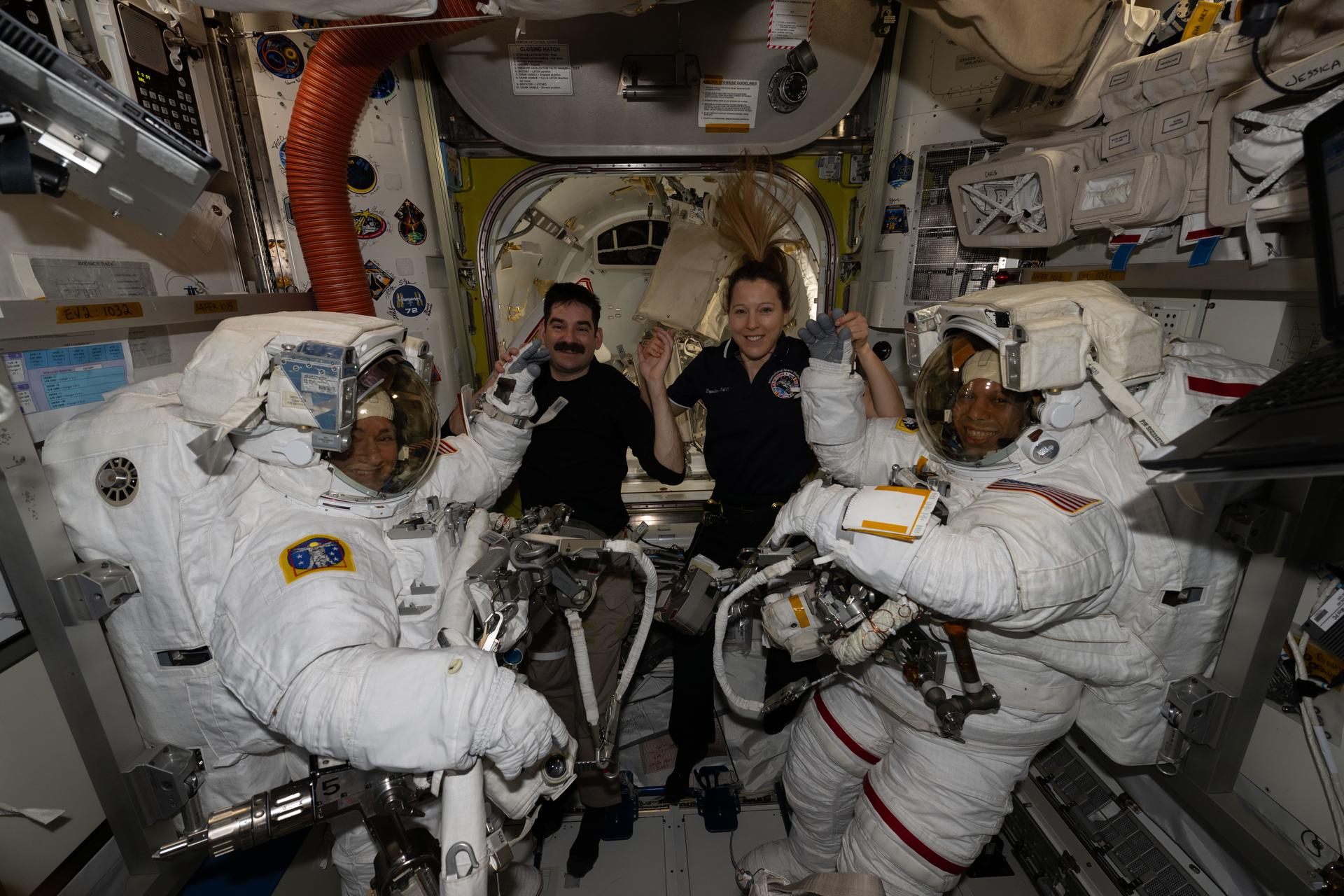
Launching in 2027, Artemis III will send NASA astronauts Randy Bresnik, Frank Rubio, Andre Douglas, and ESA (European Space Agency) astronaut Luca Parmitano on a demonstration mission in low Earth orbit to test critical rendezvous and docking operations between Orion and test versions of commercial human landing systems developed by Blue Origin and SpaceX.
Our Artemis III Crew
Meet the astronauts who will carry out a series of objectives to demonstrate critical systems needed for a future lunar landing, helping NASA and its partners reduce risk before Americans return to the Moon on Artemis IV.
Paving the Way about Our Artemis III Crew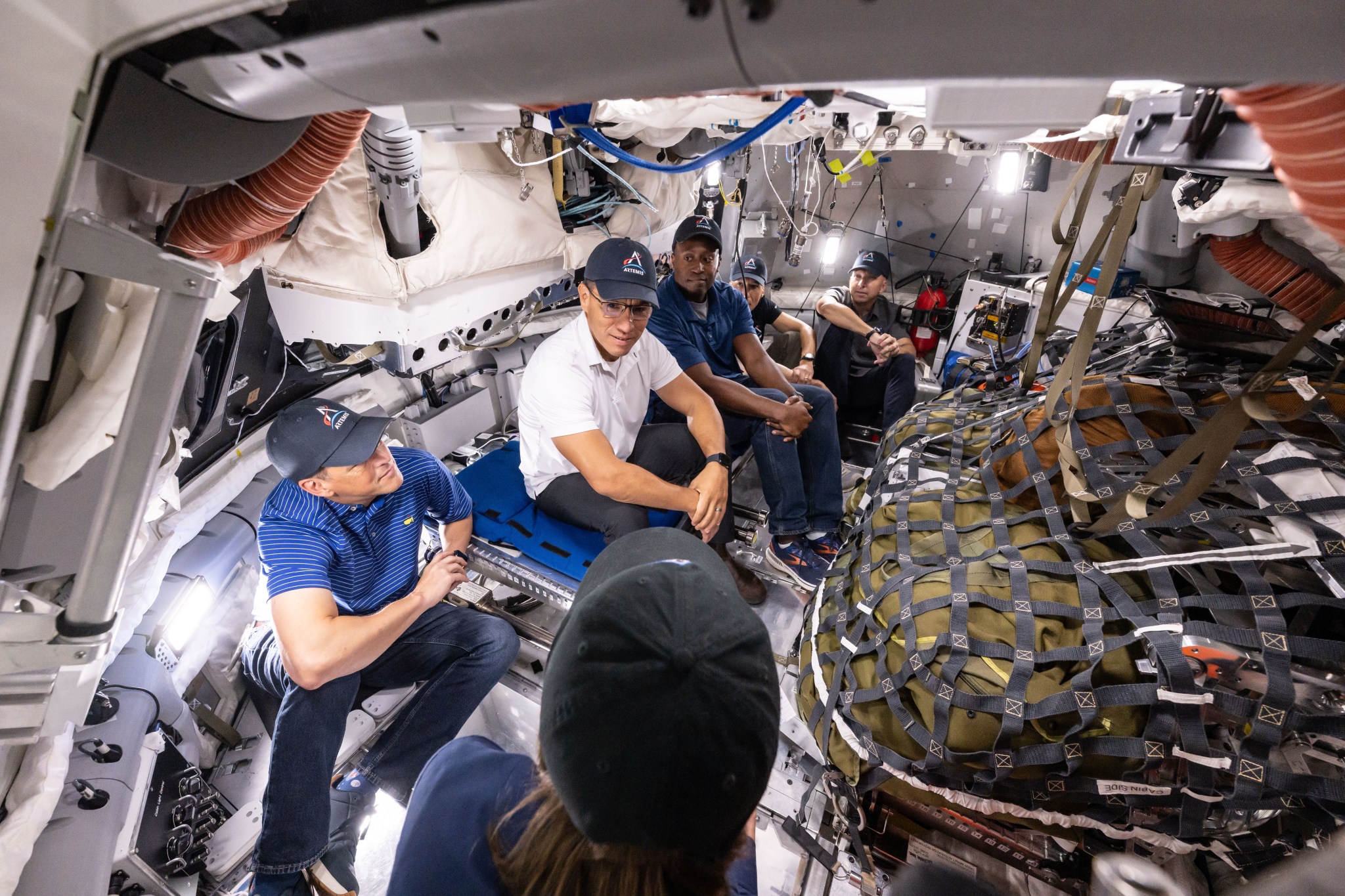
To the Moon and Beyond
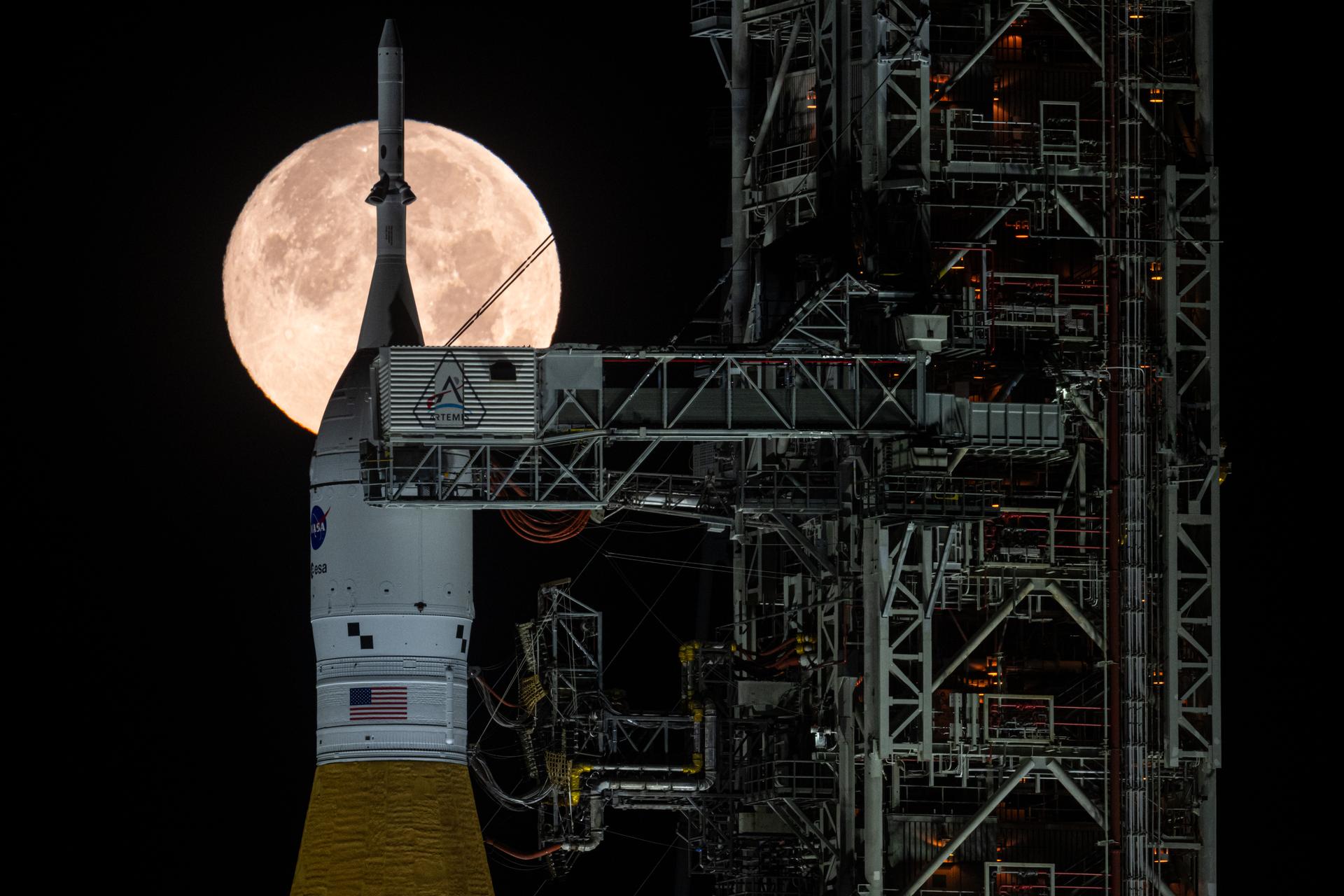
The Orion spacecraft has demonstrated the capability to transport astronauts to the lunar vicinity and return them safely to Earth. NASA’s Orion spacecraft is at the core of the Artemis transportation system for sending astronauts to the Moon and is a crucial step toward eventually sending crews on to Mars.
Powering Exploration
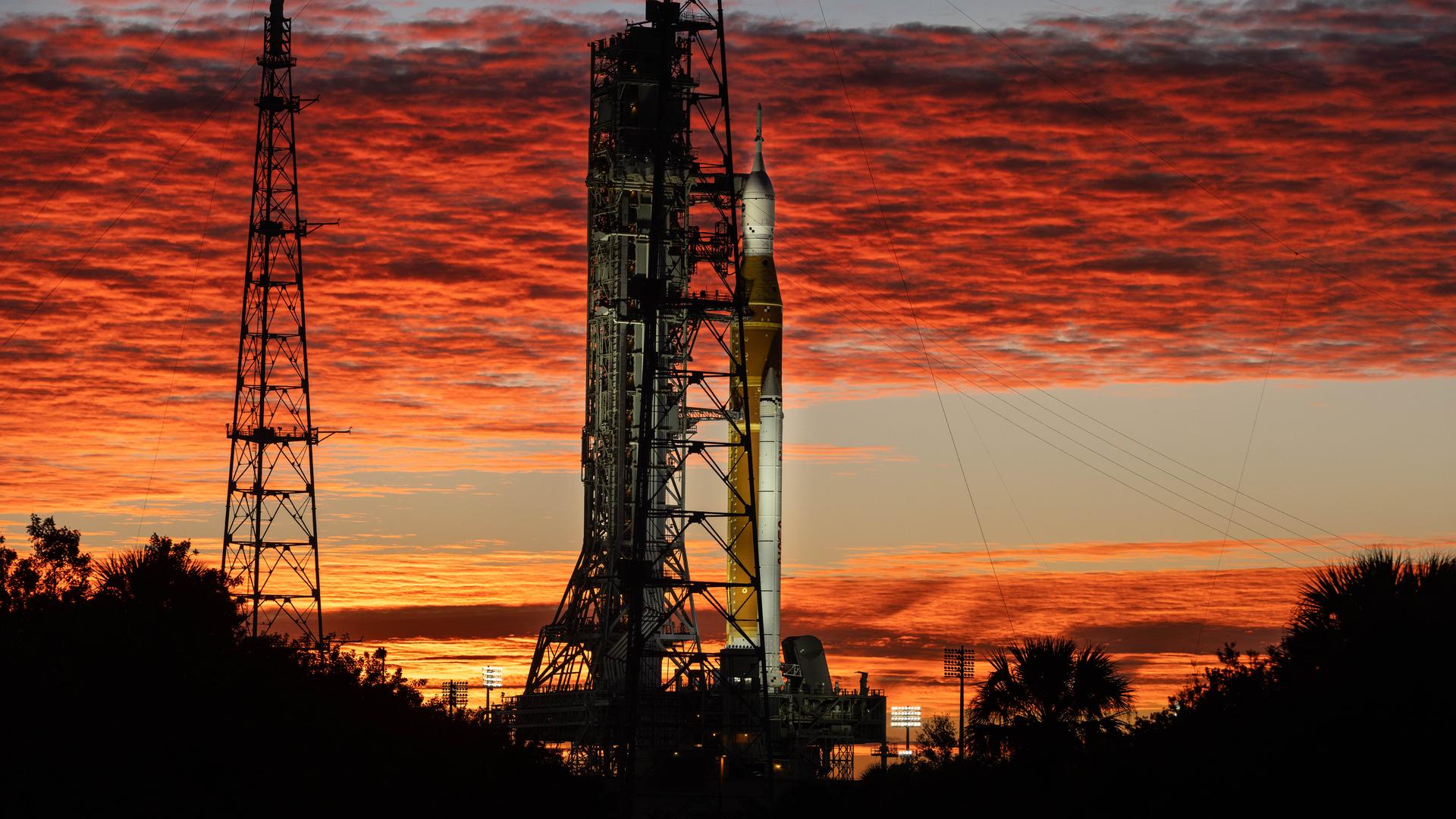
Combining unparallelled power and capability, NASA’s SLS (Space Launch System) rocket is part of the agency’s backbone for deep space exploration and Artemis. SLS is the only rocket that can send Orion, astronauts, and cargo directly to the Moon in a single launch.
The Infrastructure
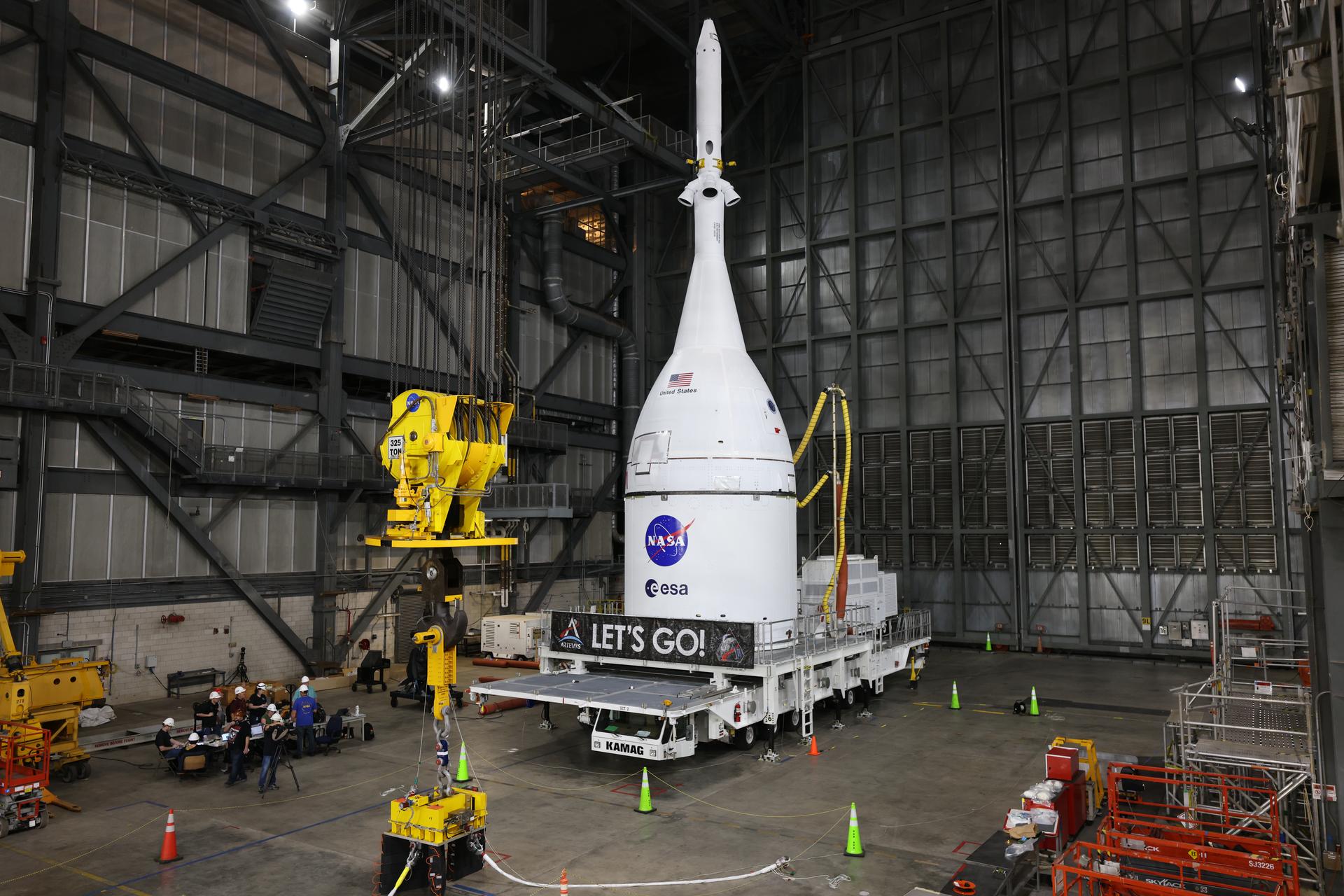
Exploration Ground Systems, based at Kennedy Space Center in Florida, develops and operates the systems and facilities needed to process, launch, and recover rockets and spacecraft for NASA’s Artemis missions.
Delivering Crew and Cargo to the Lunar Frontier
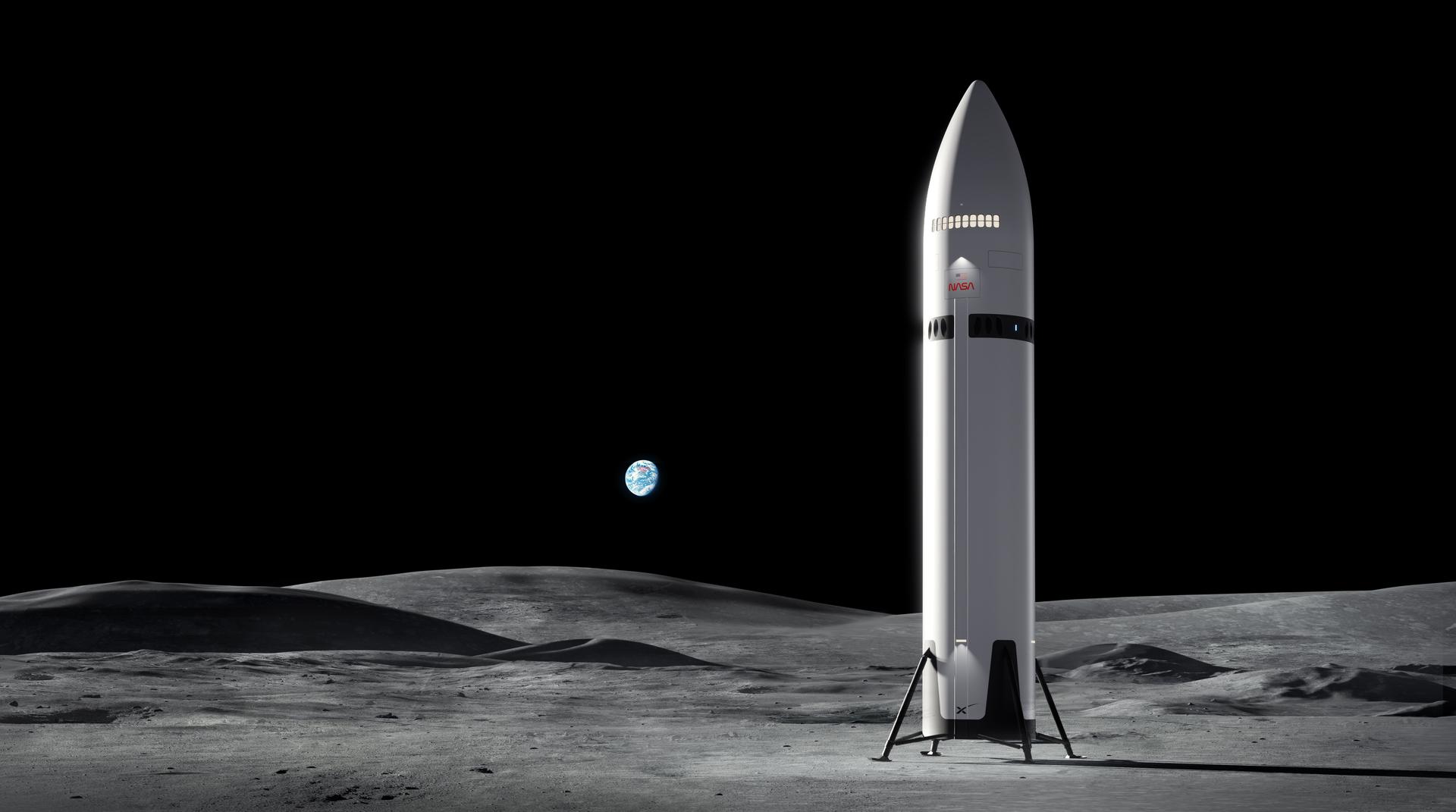
NASA is working with industry to develop the human landing systems, or next-generation landers, that will safely carry Artemis astronauts from lunar orbit to the Moon’s surface and back
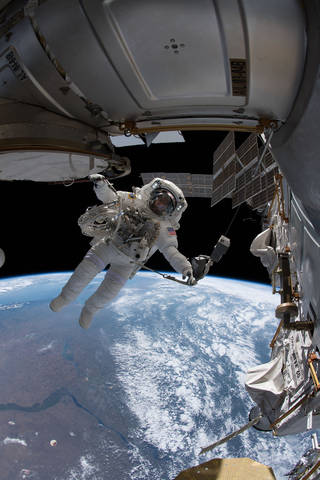
Next Generation Spacewalking
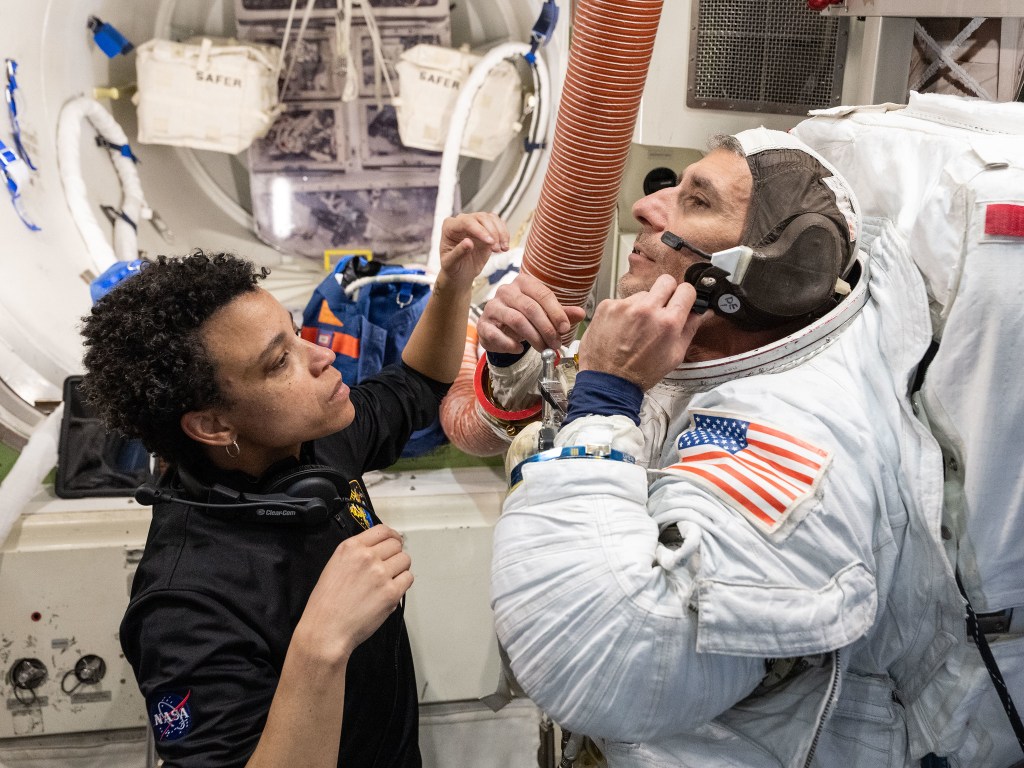
The Extravehicular Activity Systems serves as NASA’s program to develop next-generation spacesuits and the spacewalk support systems that will enable astronauts to survive and work outside the confines of a spacecraft to explore on and around the Moon.

Artemis Accords
NASA, in coordination with the U.S. Department of State and seven other initial signatory nations, established the Artemis Accords in 2020. The Artemis Accords provide a common set of principles to enhance the governance of the civil exploration and use of outer space as many countries and private companies conduct missions and operations around the Moon.
Civil Space Exploration about Artemis Accords
Exploration Roadmap
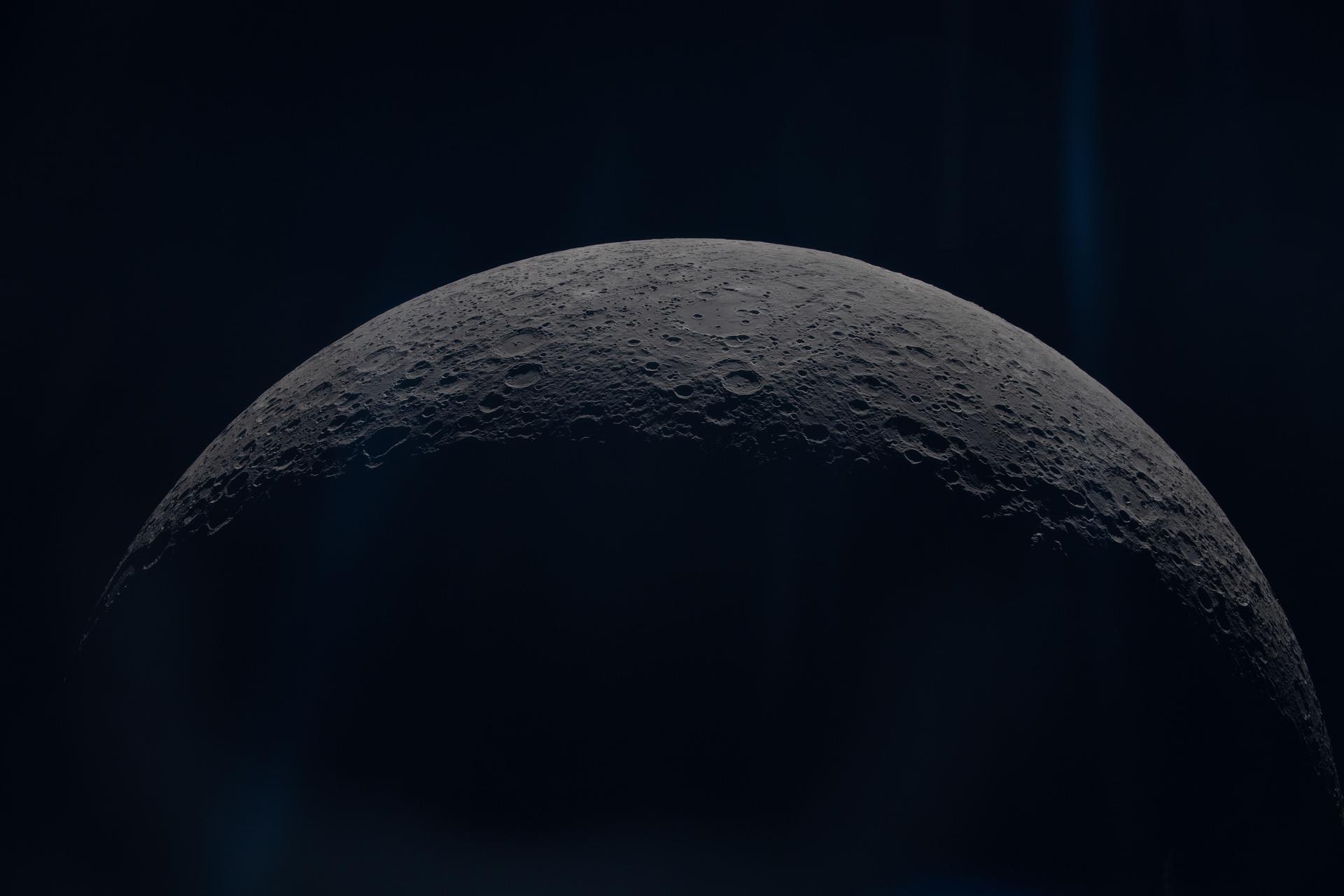
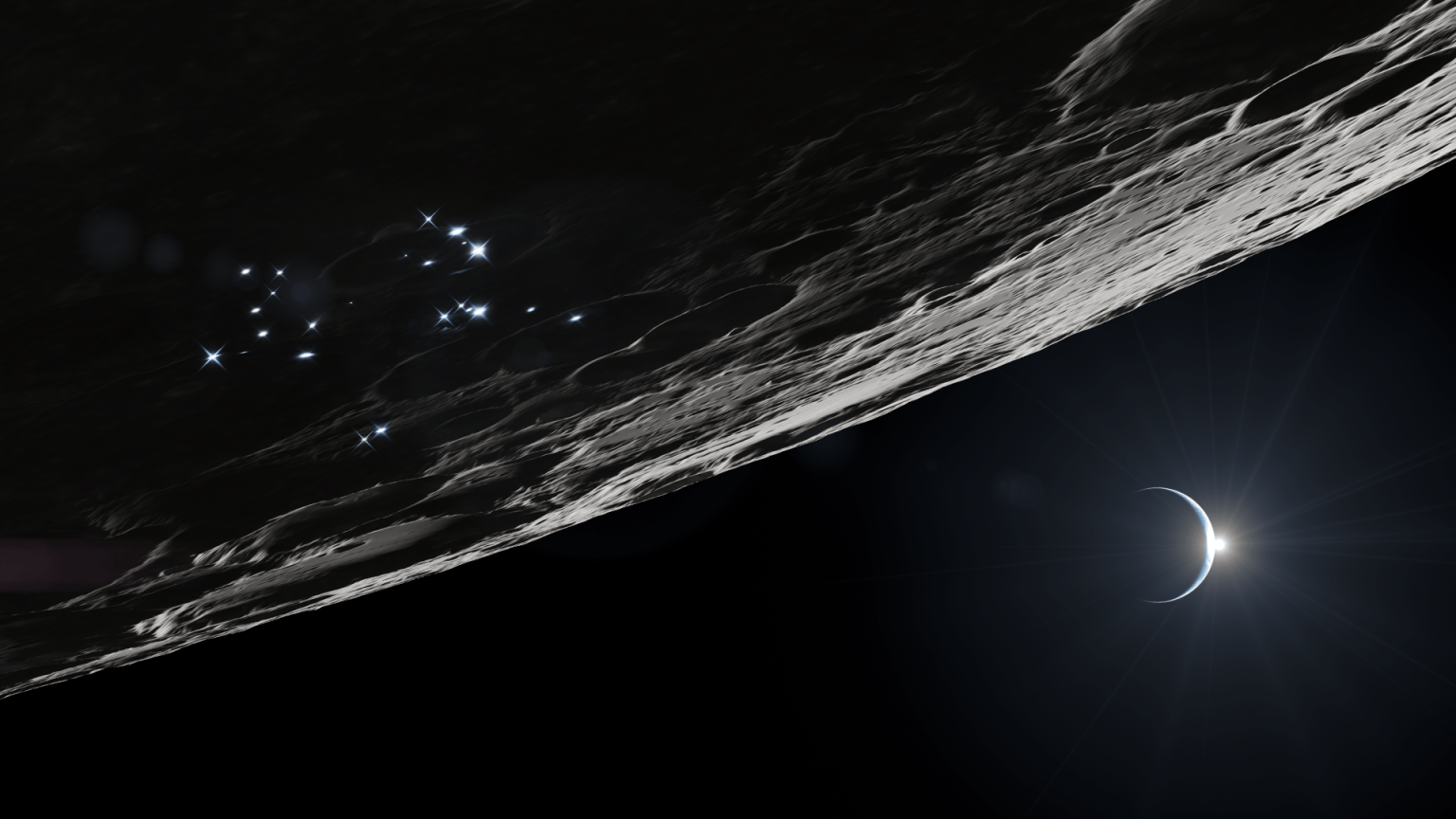
Lunar Discovery
We are returning to the Moon to advance scientific discovery, create economic opportunities, and inspire a new generation of explorers. As we maintain American leadership in space exploration, we will also strengthen a global coalition of partners to explore deep space for the benefit of all humanity.
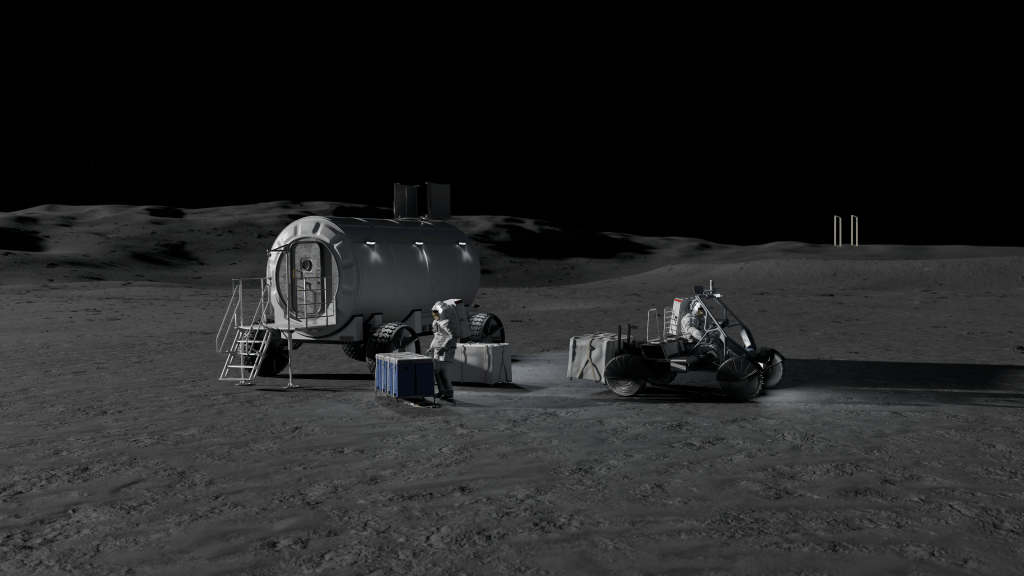
Moon Base
The Moon Base is humanity’s first lunar outpost, a place where astronauts will live, work, and explore near the Moon’s South Pole. Through a series of crewed and uncrewed missions, NASA and its partners will build the infrastructure needed to support an enduring human presence on the lunar surface.

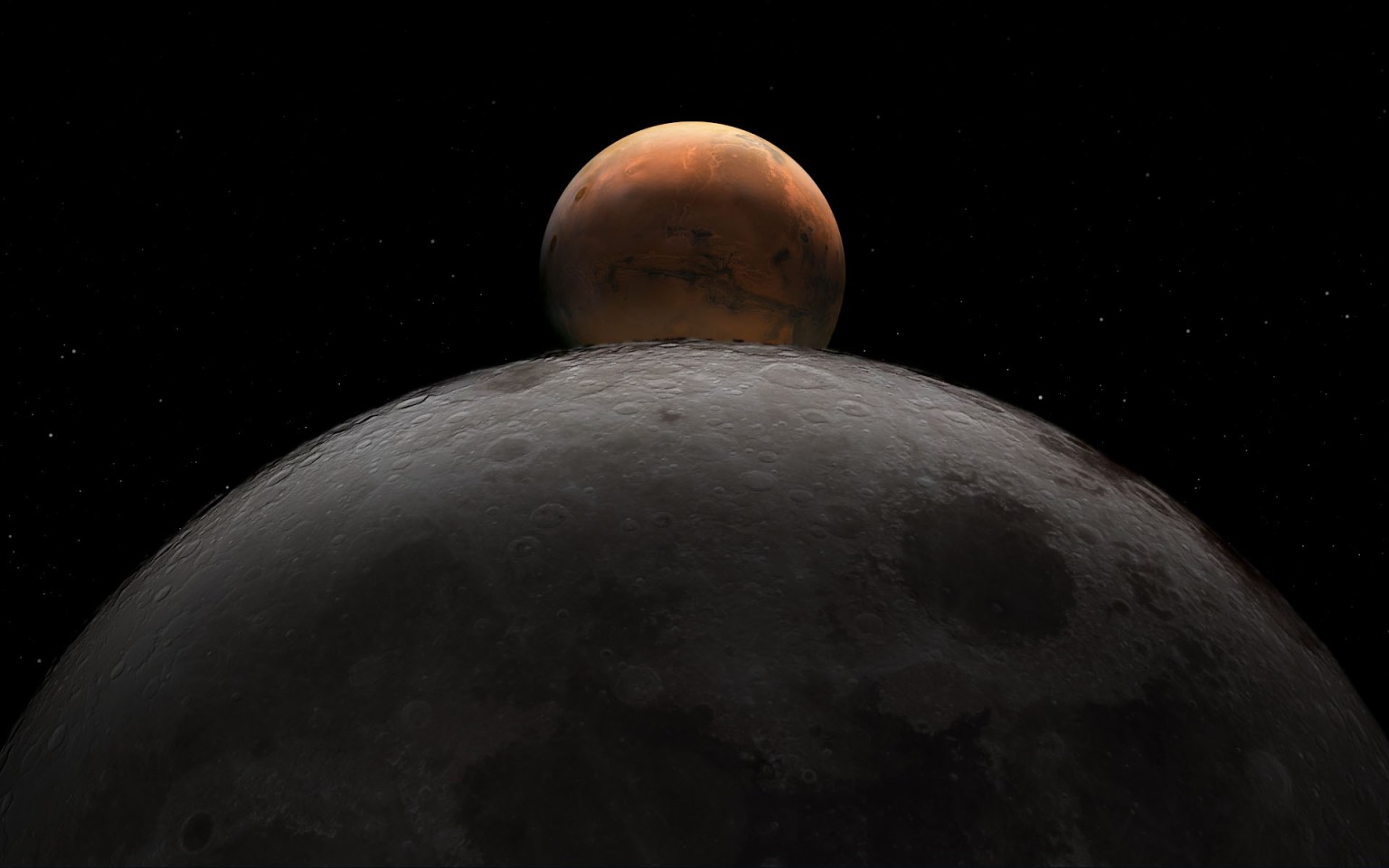
Moon to Mars
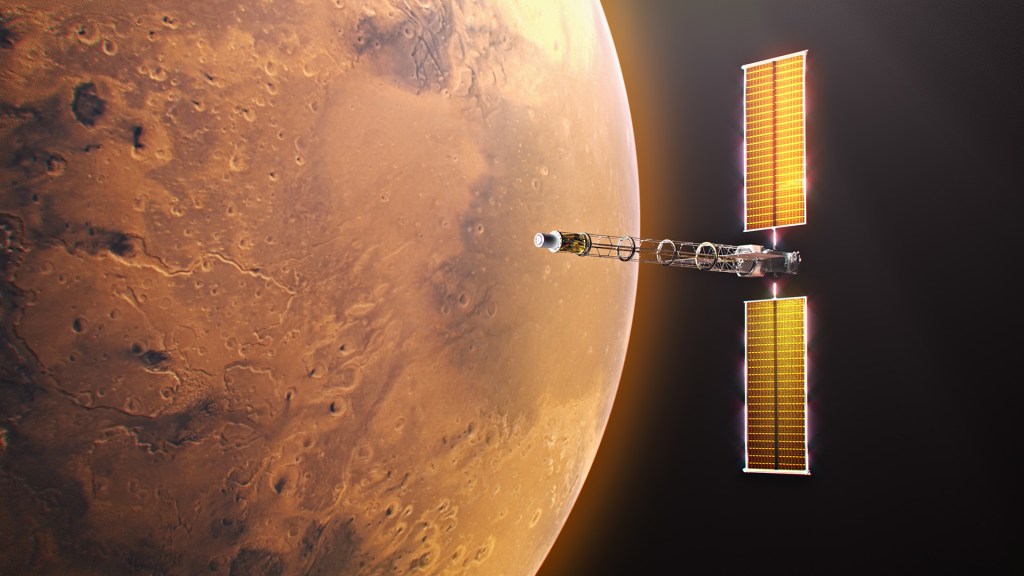
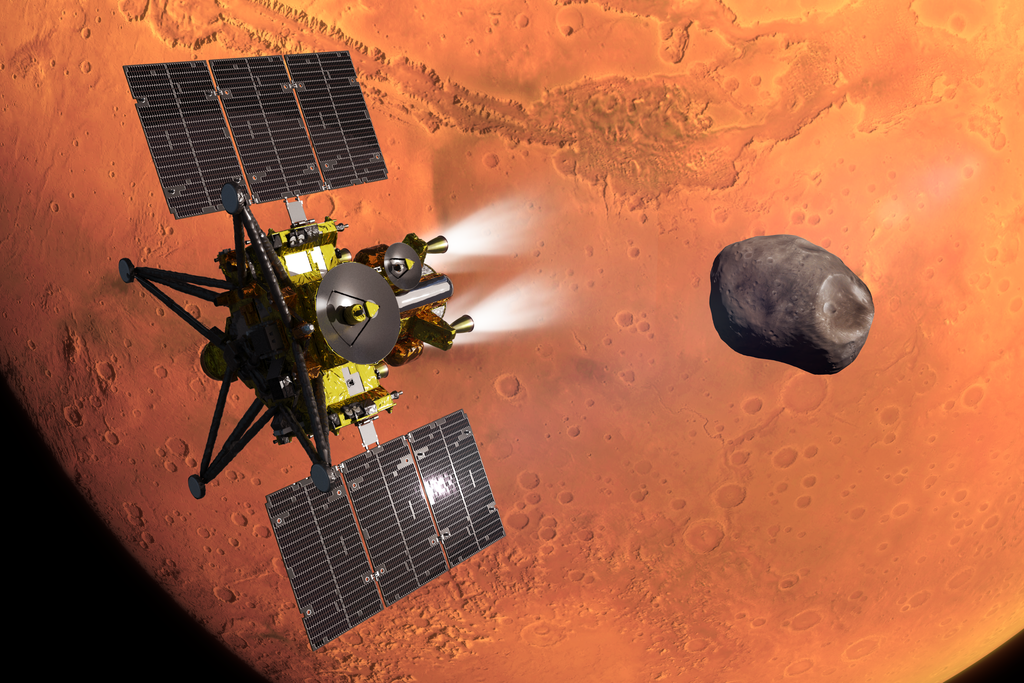
Mars remains our horizon goal for human exploration because it is one of the only other places we know where life may have existed in the solar system. What we learn about the Red Planet will tell us more about our Earth’s past and future, and may help answer whether life exists beyond our home planet.
Join Artemis
Find Your Place in Space
Through Artemis-inspired learning experiences, students can connect directly with the people, resources, and innovations driving NASA’s return to the Moon. By participating in hands-on design challenges, students build foundational knowledge in the topics and technologies critical to the success of Artemis while developing problem-solving and teamwork skills. They can also explore interactive learning tools, including simulations, open data resources, and game-based platforms, that spark curiosity, build confidence, and inspire the next generation of explorers, engineers, and scientists.
Learning Resources about Find Your Place in Space
Creating New Opportunities
Companies across all 50 states are helping advance NASA’s Artemis program and the technologies needed for a sustained human presence on the Moon. In doing so, Artemis is fueling the space economy, driving innovation, and increasing demand for a highly skilled workforce.
Artemis Partners about Creating New Opportunities