












Lunabotics Challenge
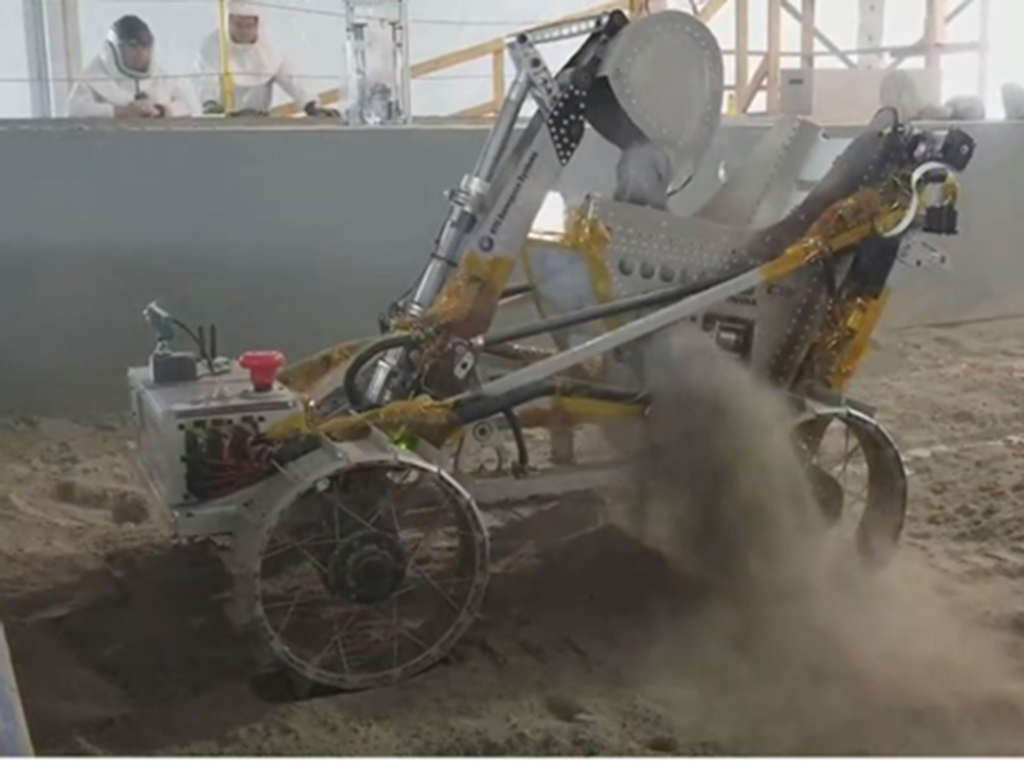
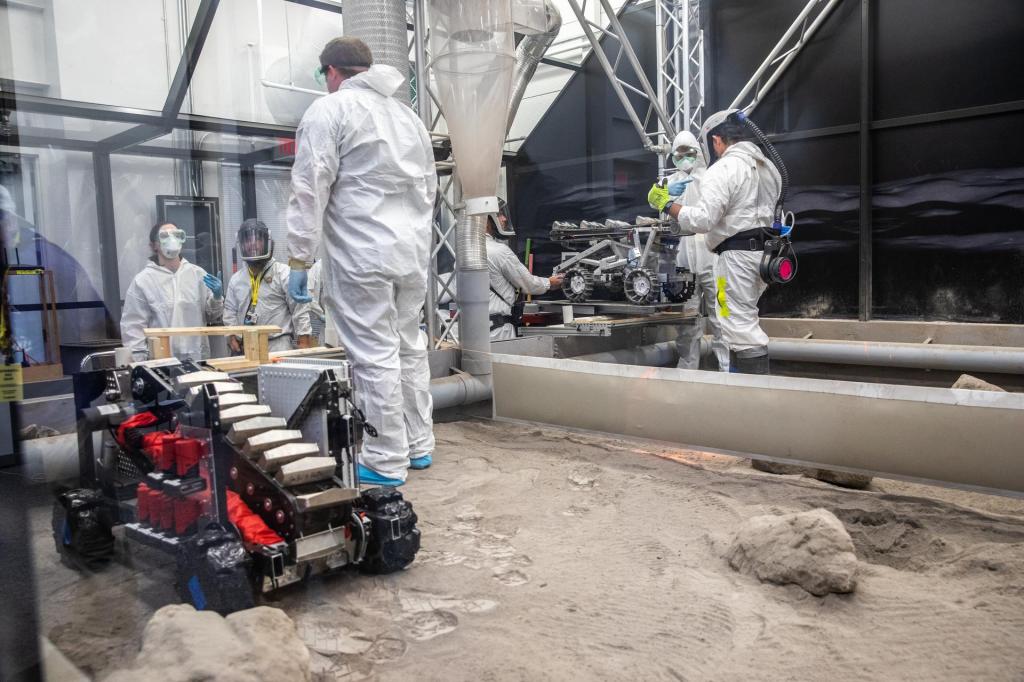
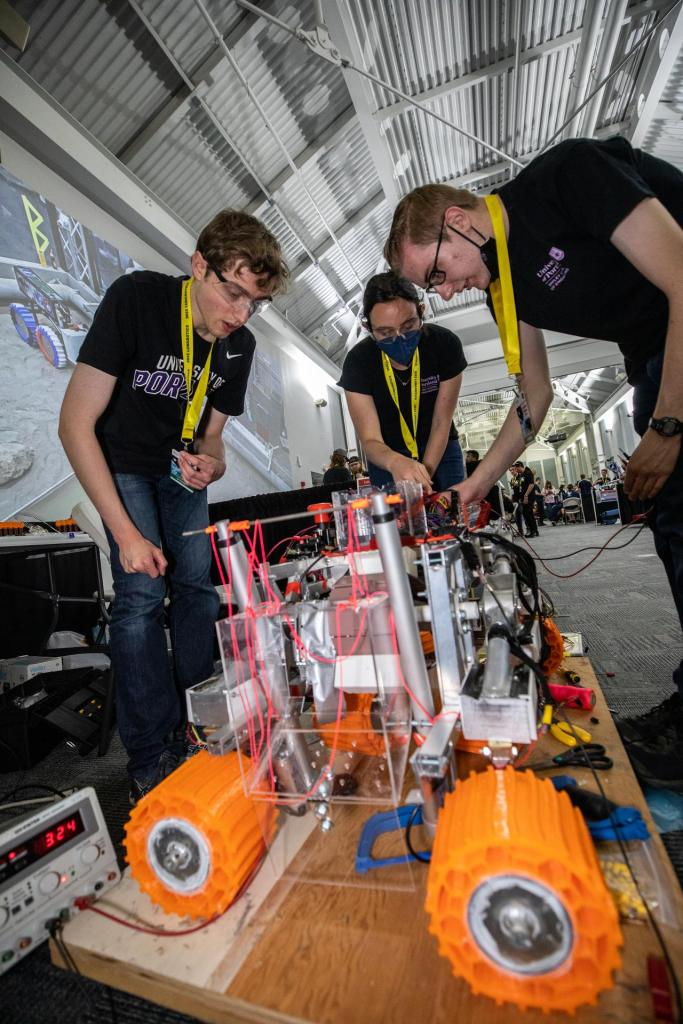
The Lunabotics Challenge invites students from higher education institutions to apply NASA’s Systems Engineering principles to design and build a prototype off-world construction robot. Participants will develop a robot capable of performing construction operations that support future space exploration objectives.
Event Dates
May 24-27, 2027
Event Location
Kennedy Space Center
Eligibility
Open to U.S. Institutions
grade levels
Vocational/Technical, Colleges/Universities
NASA’s 2026 Lunabotics: Winning Student Teams Engineering Lunar Future
Editor’s Note: This article was updated on Tuesday, June 2, 2026, to align with current program details. All confirmed information…
Read the Story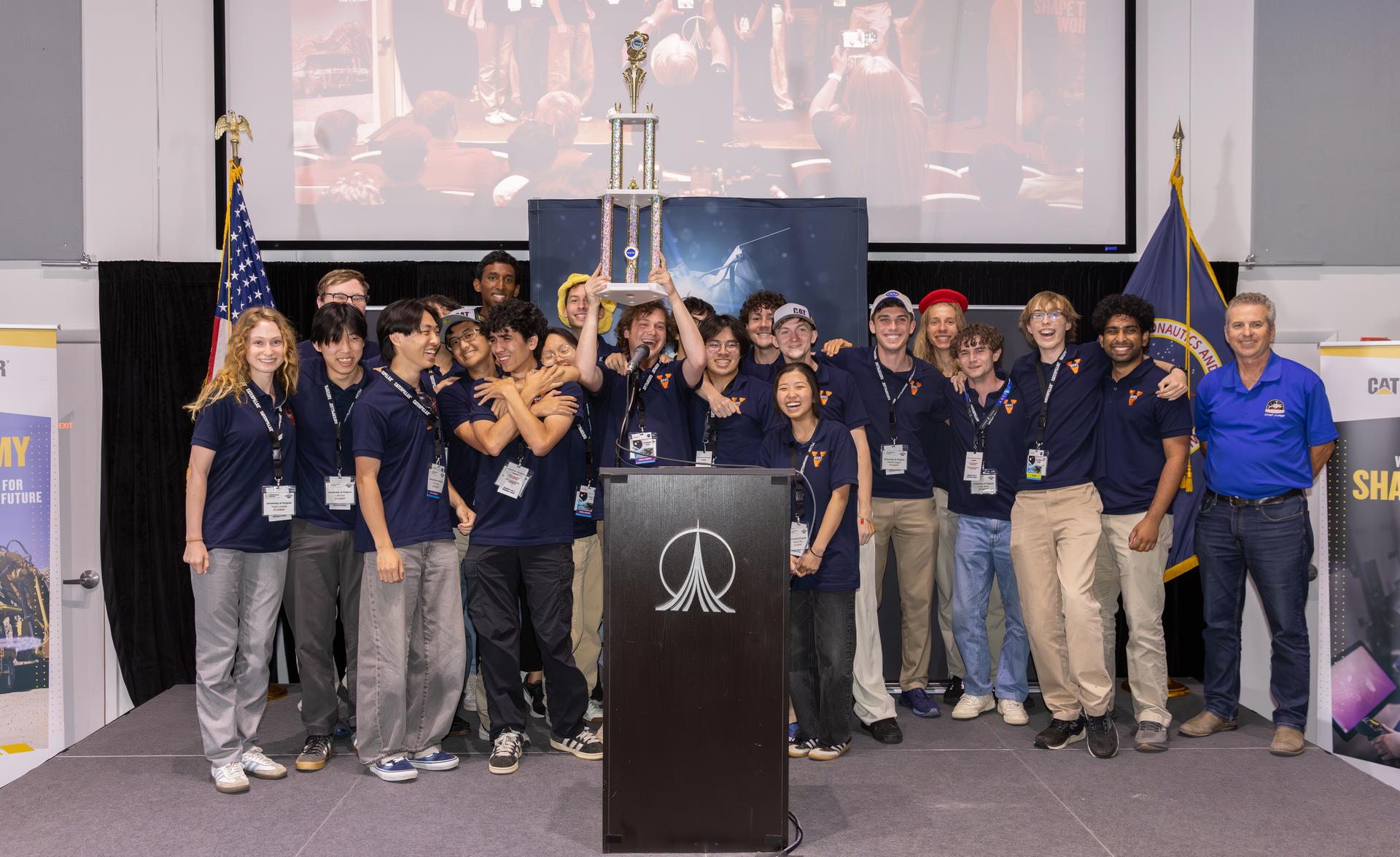
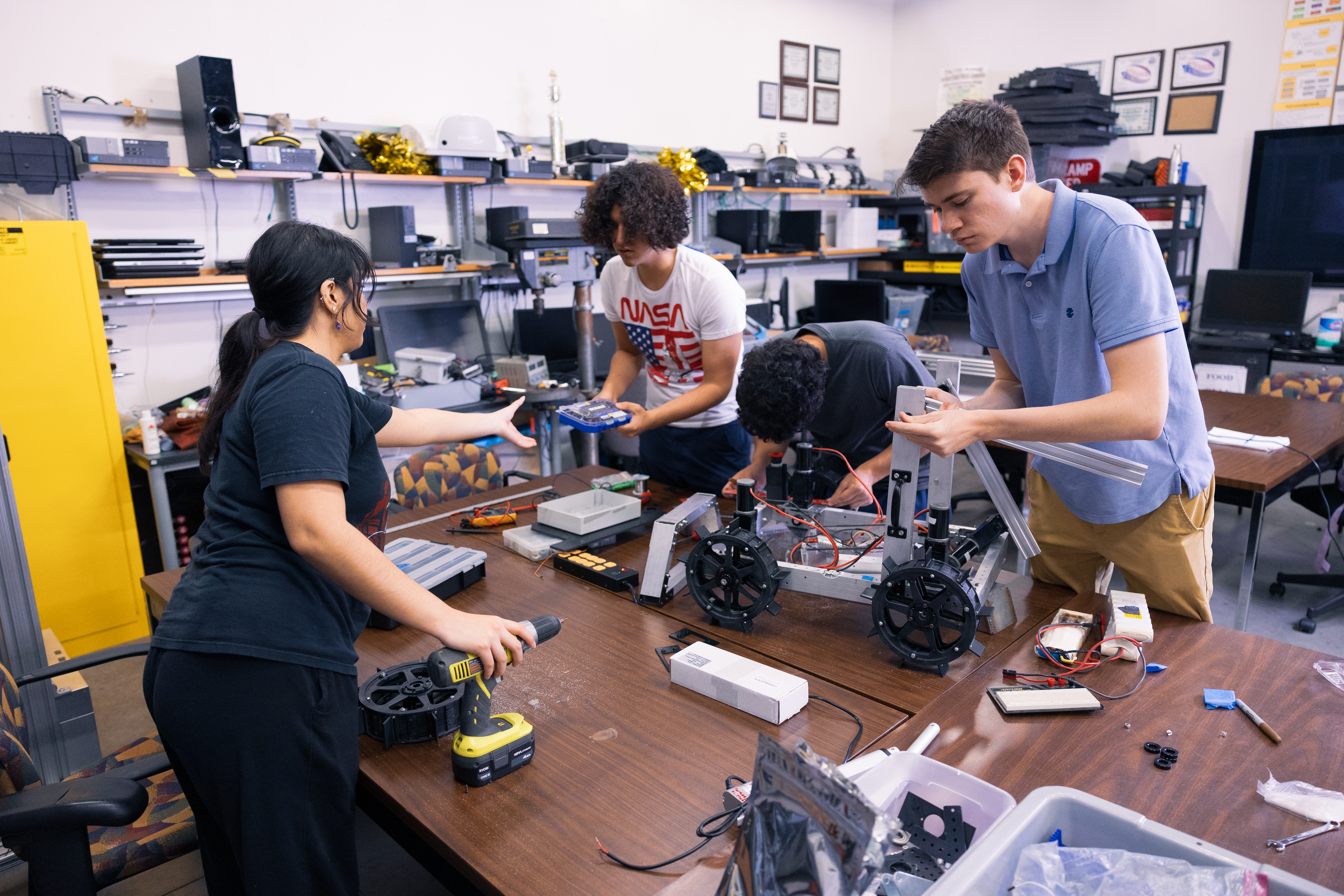
About the Challenge
Participants will develop a robot capable of performing construction operations providing the data NASA may use to support the Moon Base initiatives.
Some of the Challenge Deliverables include Project Management Plan, Lunabot Design Report, Systems Engineering Paper, Robot Data Report, Proof of Life Video, and a functional Prototype Lunabot.
The prototype robot should demonstrate capabilities outlined in the challenge guidebook and to provide construction data for future off-world operations. This initiative aligns with NASA’s progressive approach to space exploration – using experiences gained in low Earth orbit and lunar missions as stepping stones toward the ultimate goal of building the Moon Base.
Note: For specific challenge guidelines, evaluation criteria, or NASA Systems Engineering Handbook requirements, please refer to the official challenge documentation.
Eligibility
Open to all students attending institutions located in The United States, its Commonwealths, territories, or possessions.
Grade Level
Institutions of higher learning, career / technical education programs, trade schools, community colleges, two-year or four-year colleges and universities.
How to Submit
See the Lunabotics Challenge Guidebook at https://www.amfcse.org/lunabotics for instructions on how to get involved.
For questions, please contact the Lunabotics team at lunabotics@amfcse.org.
2026-2027 Lunabotics Timeline
All dates are subject to change. All deliverables are due by 12pm (noon) Eastern Time, on the appointed date.
- Sept. 17, 2026: Lunabotics Challenge Guidebook Release
- Oct. 13, 2026: Project Management Plan Due
- Oct. 13, 2026: Statement of Support – Institution
- Oct. 13, 2026: Statement of Support – Faculty
- Oct. 13, 2026: Statement of Rights of Use
- Nov. 20, 2026: Preliminary Design Review Report Due
- Dec. 14, 2026: Team Selections Announced
- Jan. 15, 2027: Student and Faculty Registration Due
- Jan. 15, 2027: NASA Media Release Due
- Jan. 15, 2027: KSC Lunabotics Regulated Waste Management Overview Due
- Apr. 8, 2027: Systems Engineering Paper Due
- Apr. 29, 2027: Robot Data Report Due
- Apr. 29, 2027: Proof of Life Review Due
- May 20-21, 2027: Practice Runs at KSC
- May 24-27, 2027: Construction Runs at KSC
Background
NASA Lunabotics received significant feedback from participating universities that the 2026 Qualification and Finals structure required approximately two weeks of travel, competition participation, and associated logistics. Teams indicated that the length of the competition created challenges related to academic schedules, faculty availability, travel costs, internships, research obligations, and institutional travel approvals.
Actions
WE HEARD YOU! For 2027 the competition will return to a one-week competition at the Astronauts Memorial Foundation’s (AMF) Center for Space Education (SCE) venue in the KSC Visitors Complex – there will be no qualification activity at the University of Central Florida, all teams will compete at Kennedy Space Center.
2027 Process Plans
A Design Review down select process will be implemented for the 2027 competition. The purpose of the Design Review is to down select the total number of teams that the competition can accommodate.
Related Resources
Explore curated resources to learn more about lunar exploration and development, robotics, and careers at NASA.
Explore Resources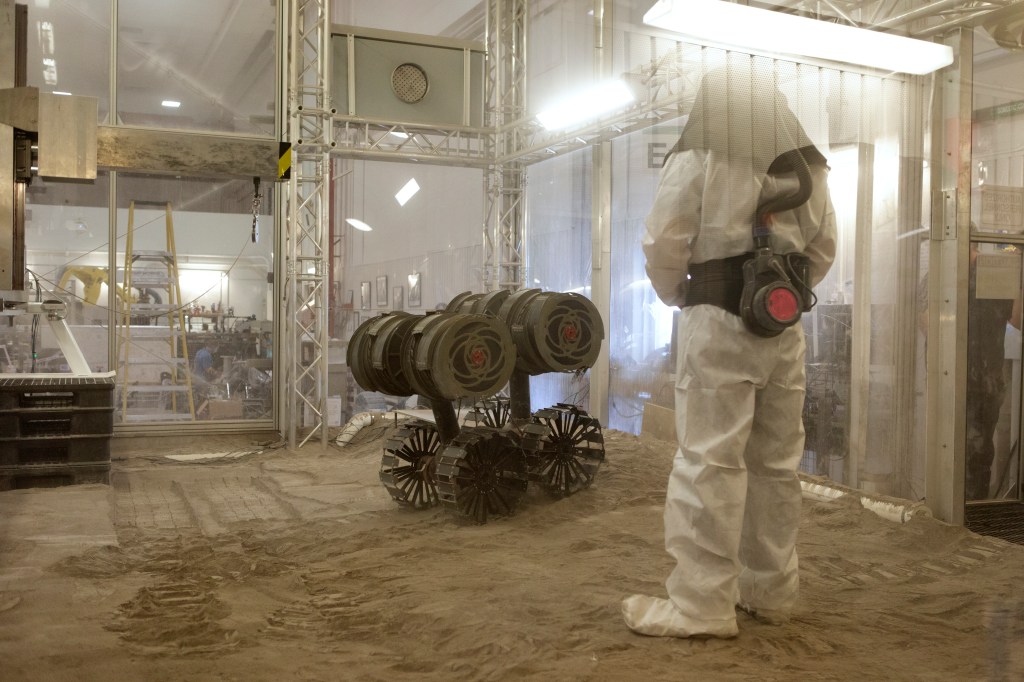
Contact Us
John F. Kennedy Space Center
Kennedy Space Center, FL 32899
Phone: 321.867.5000
Email: KSC-Public-Inquiries@mail.nasa.gov
Join Artemis!
Authentic, hands-on learning experiences give students in middle school all the way through graduate school a chance to flex their design and engineering skills as they build and launch high-powered rockets, design robots capable of mining the Moon’s surface or traversing difficult lunar terrain, create human-powered rovers, and test technologies and tools to assist future astronauts working on the Moon.
Learn More about Join Artemis!