















Moon Base Assembly in Progress
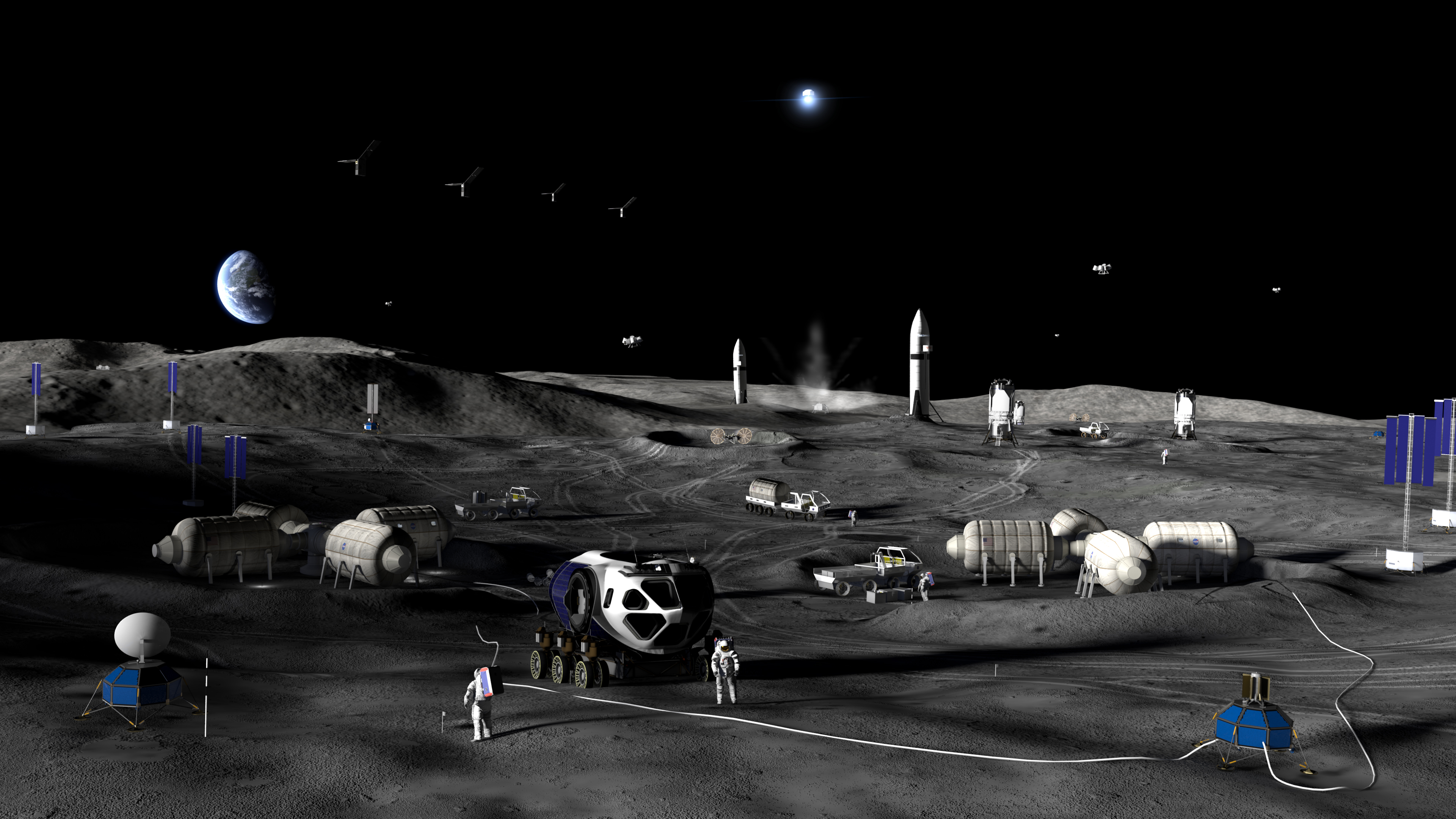
NASA is building a Moon Base near the lunar South Pole to strengthen American leadership in space, unlock scientific discovery, drive innovation with industry and international collaborators, and prepare humanity for missions to Mars.
Learn MoreA Step-by-Step Approach
Blueprint for a Lasting Lunar Presence
Building the Moon Base
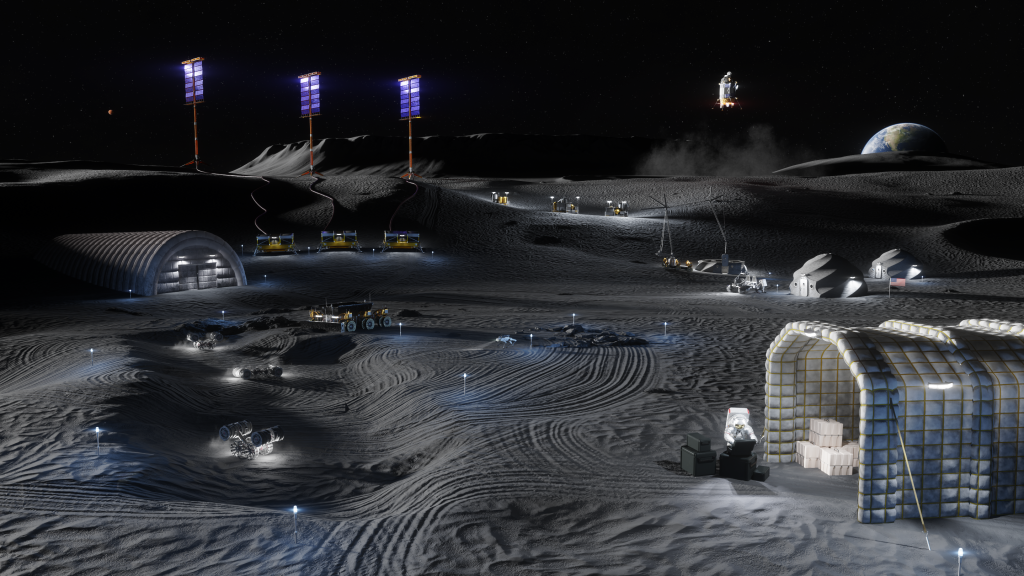
The Moon Base will be built in stages. NASA will begin with robotic missions that test new technologies and explore the lunar environment, then gradually build the systems and infrastructure needed to establish humanity’s first long-term presence on the Moon.
Learn More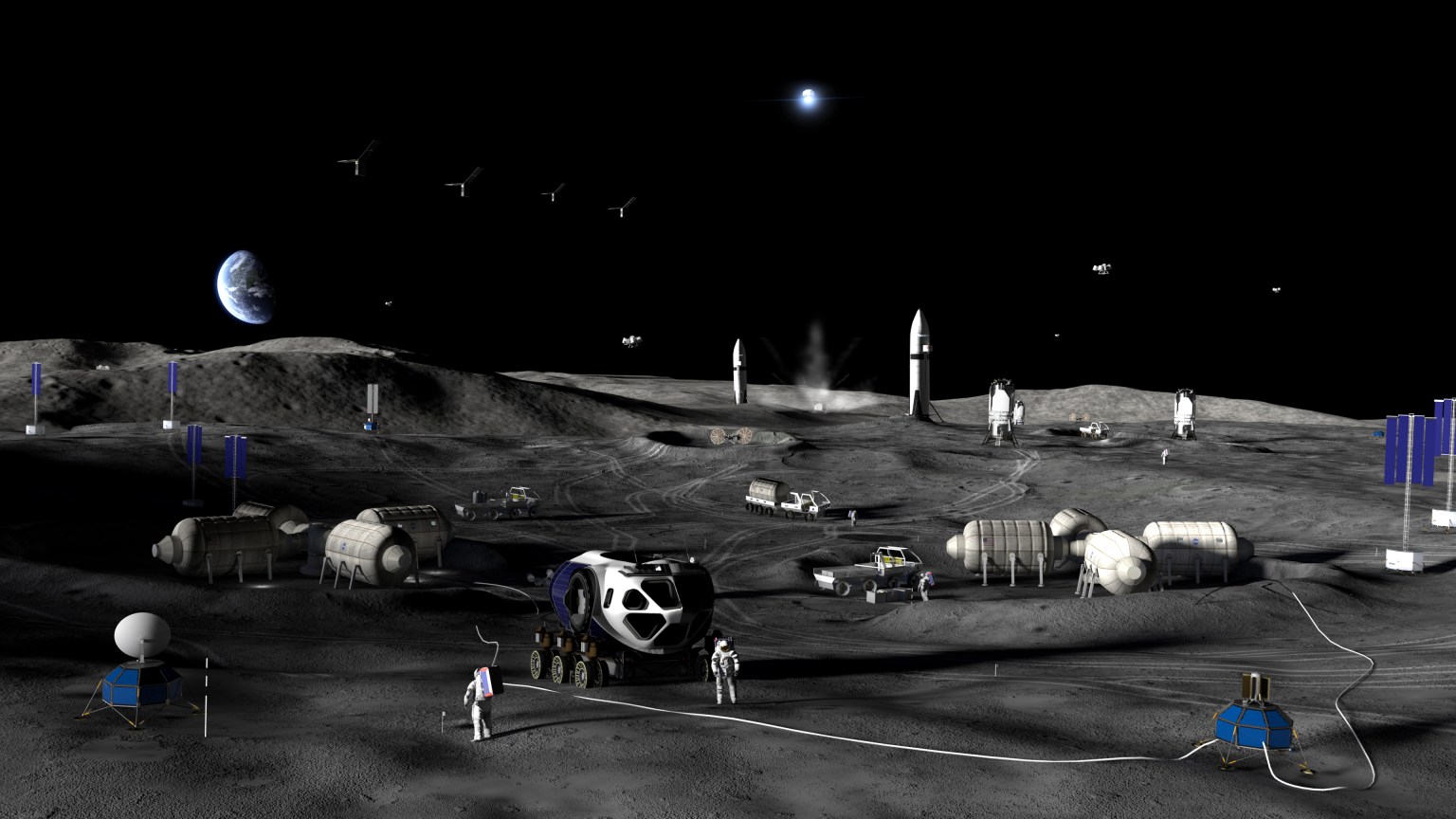
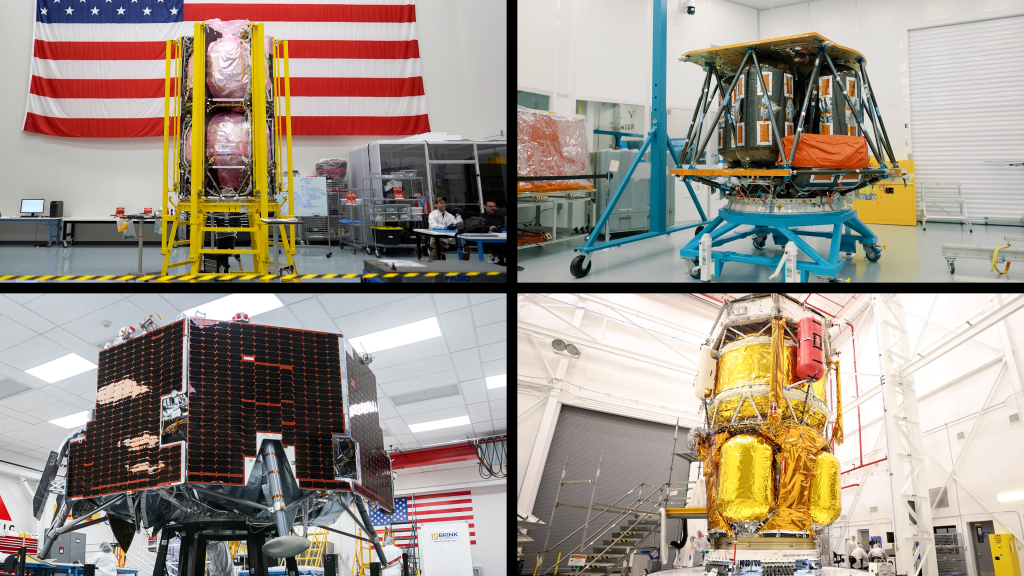
Lunar Landers Leading the Way
A permanent human presence on the Moon may sound like science fiction, but the work to make it possible is already underway. Step inside the clean rooms where NASA and its commercial partners are preparing some of the lunar landers that will deliver science, technology, and cargo to the lunar surface in support of Moon Base development.
Learn MoreHelp Build the Moon Base
The Moon Base represents one of the most ambitious engineering and exploration efforts in human history — and it cannot be achieved alone. NASA is partnering with commercial industry, academia, and innovators around the world to develop the technologies, infrastructure, and capabilities needed to establish an enduring human presence on the Moon. The future of lunar exploration will be built through collaboration, and NASA invites the global community to help shape what comes next.
Learn More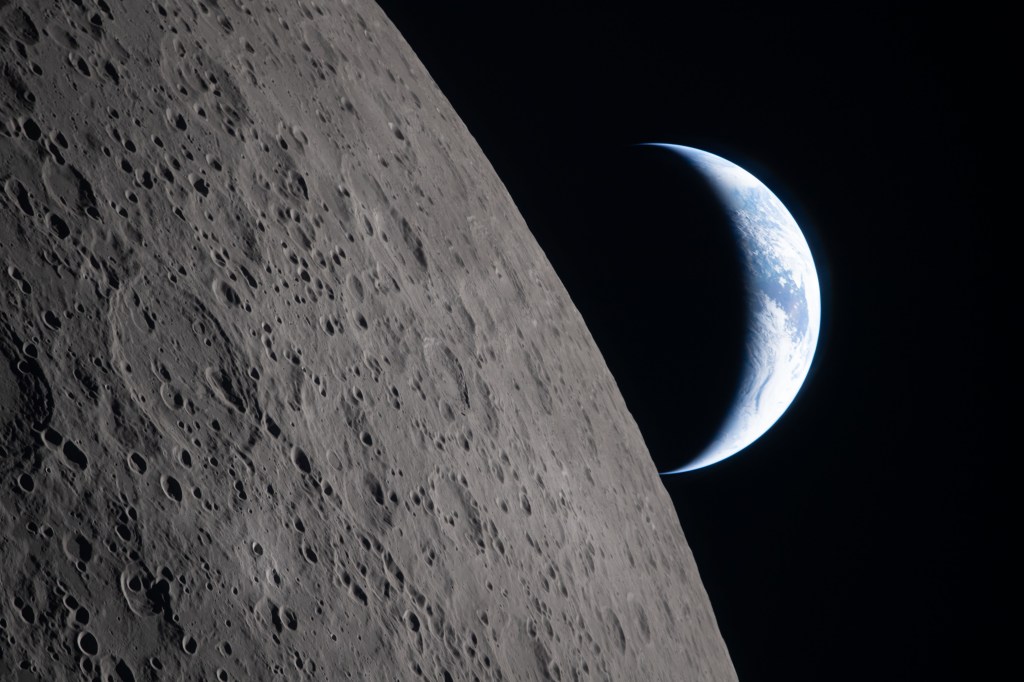
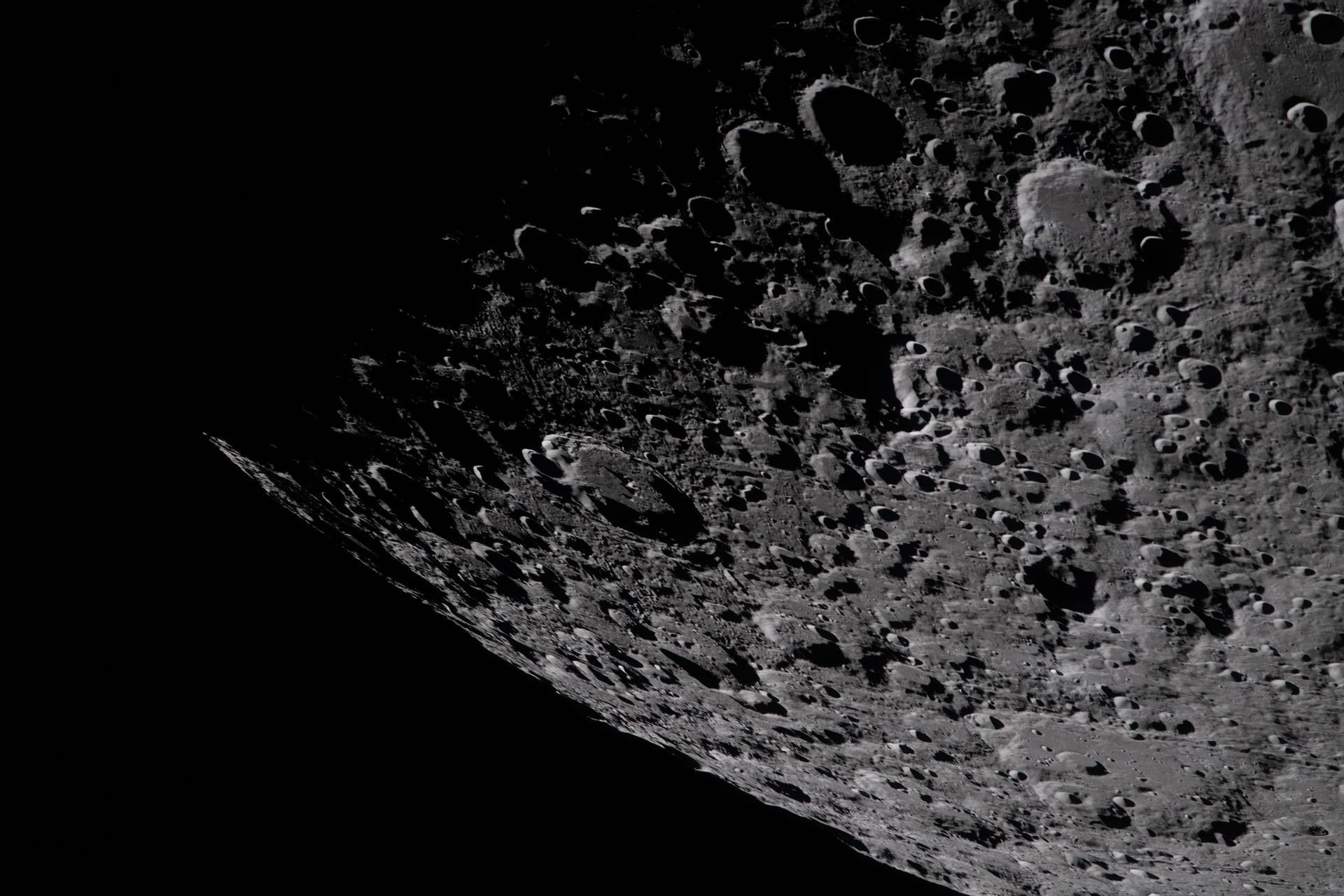
Challenging Conditions at the Lunar South Pole
The Moon Base will be built in one of the most extreme environments humans have ever set out to explore.
NASA plans to build the Moon Base near the lunar South Pole because the area offers unparalleled opportunities for scientific discovery and long-term exploration. But the region’s extreme temperatures, rugged landscape, and permanently shadowed craters will require new technologies and innovative solutions to overcome. Learn why NASA is taking on these obstacles—and how they will shape the future of lunar exploration.
Building Toward the Moon Base
Three phases. Many missions. One goal: build the Moon Base.
NASA will establish the Moon Base through a phased, iterative approach that builds capability over time. By starting with near-term technology demonstrations, robotic missions, and early experiments, NASA and its partners can test systems, learn quickly, and steadily mature the capabilities needed to support an enduring human presence on the Moon.
Building Blocks of Moon Base
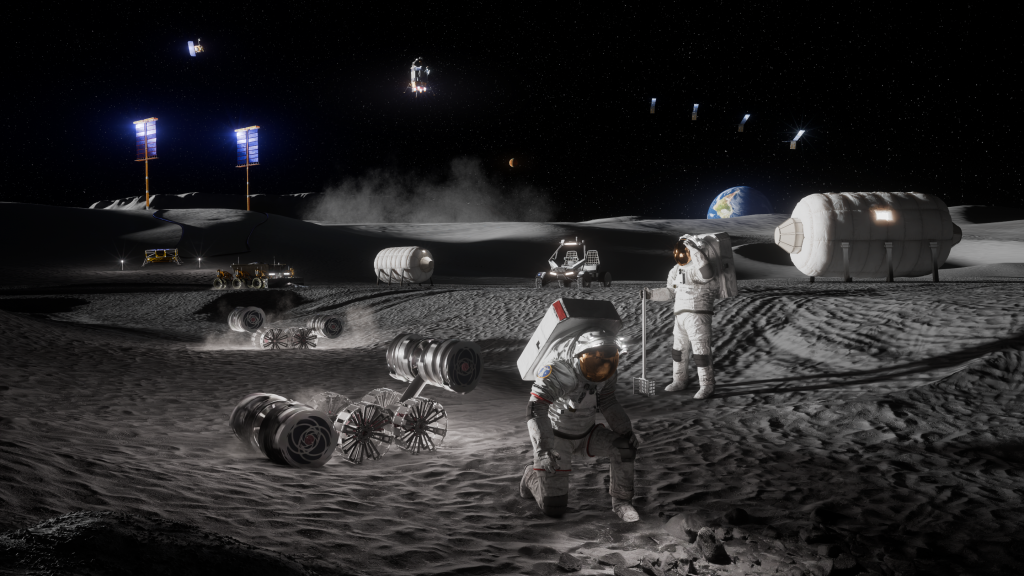
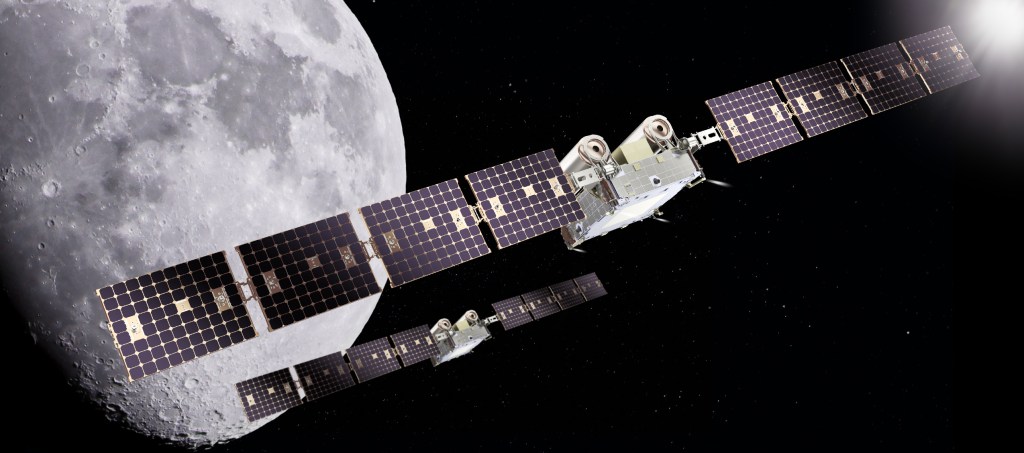
From power and communications to habitats and lunar vehicles, discover the systems that will make life and work on the Moon possible.
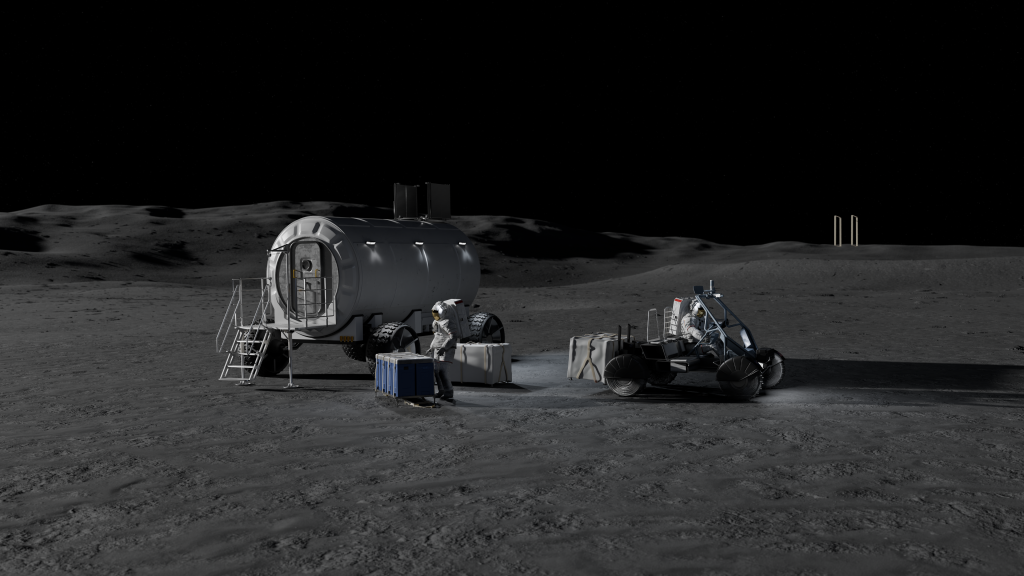
The Moon Base is more than a collection of habitats. It’s an interconnected network of systems that must work together to support astronauts living and working on the lunar surface. NASA is developing the transportation, power, communications, habitation, logistics, and cargo delivery systems needed to support humanity’s first outpost on the Moon.
Moon Base News

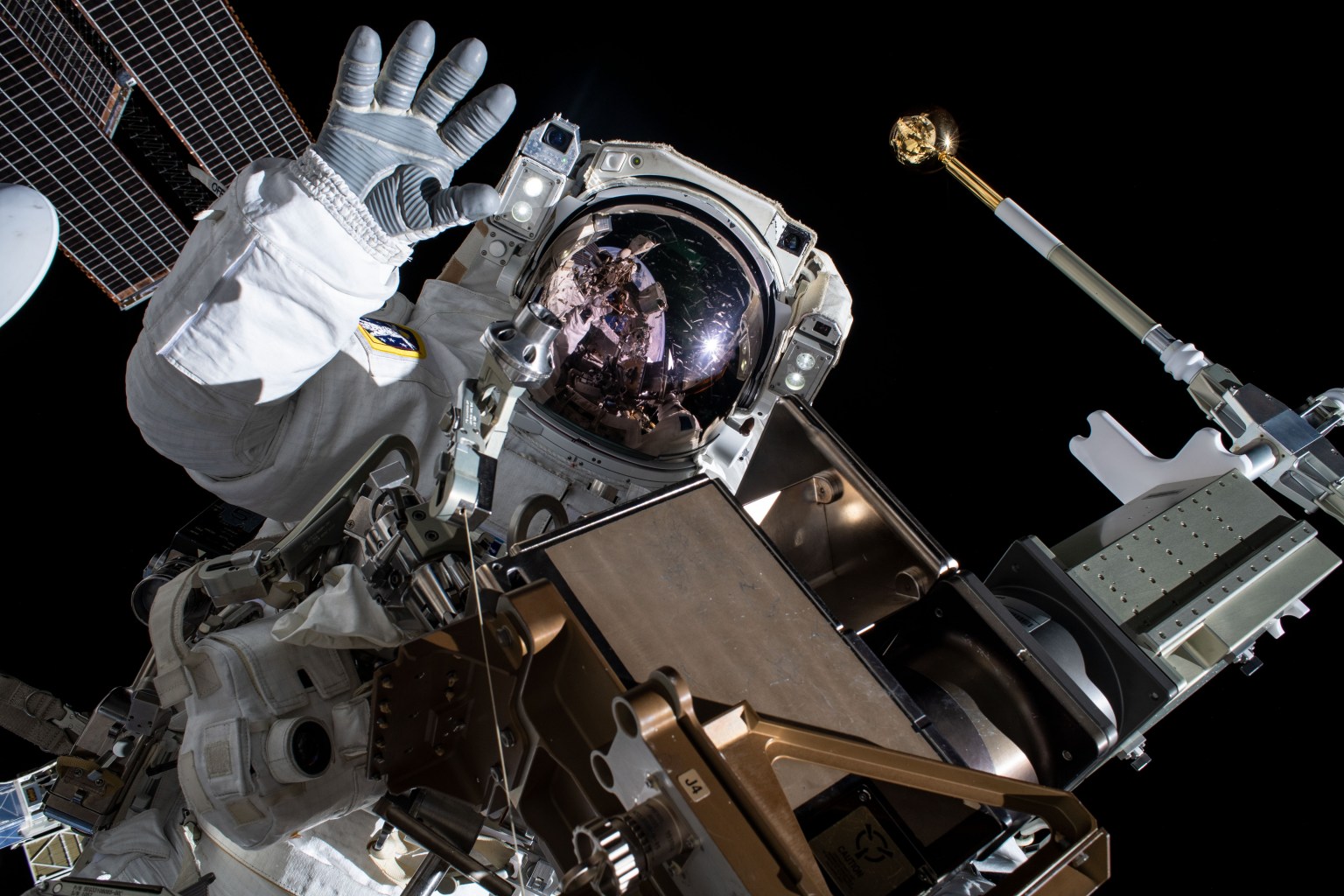
NASA Shares Station Research Today Supporting Moon, Mars Tomorrow
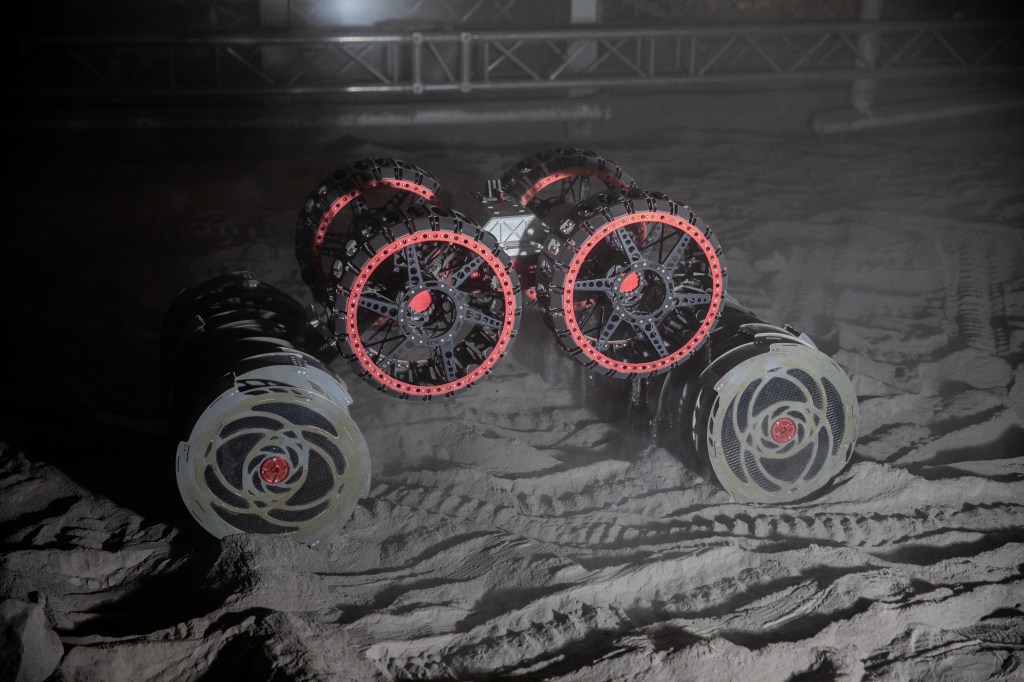
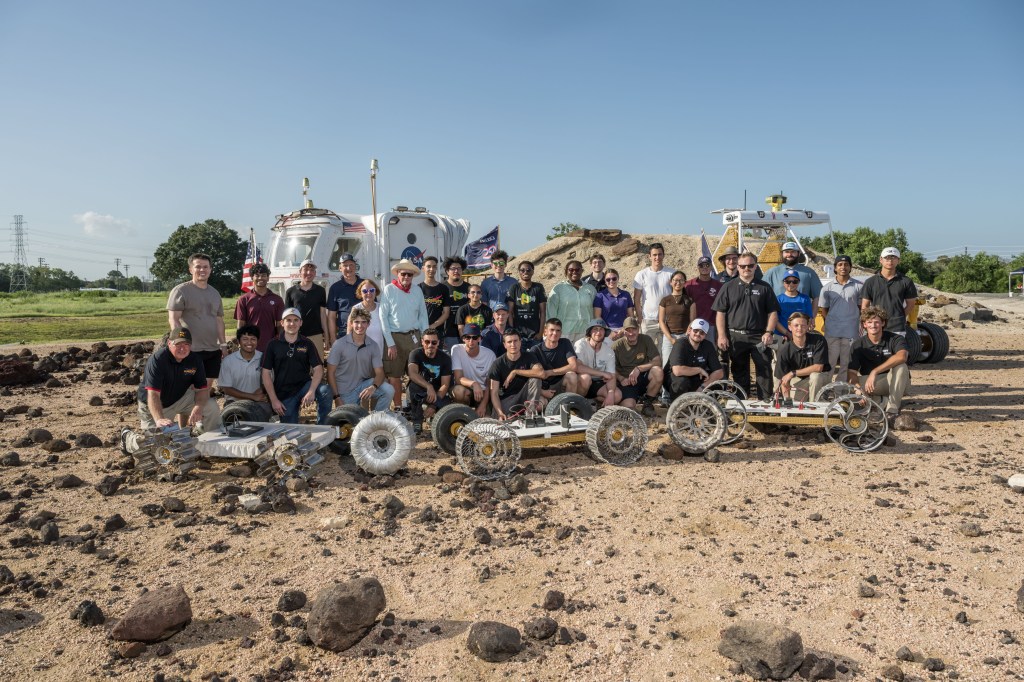
NASA Challenge Tests Wheel Designs for Moon Base Mobility
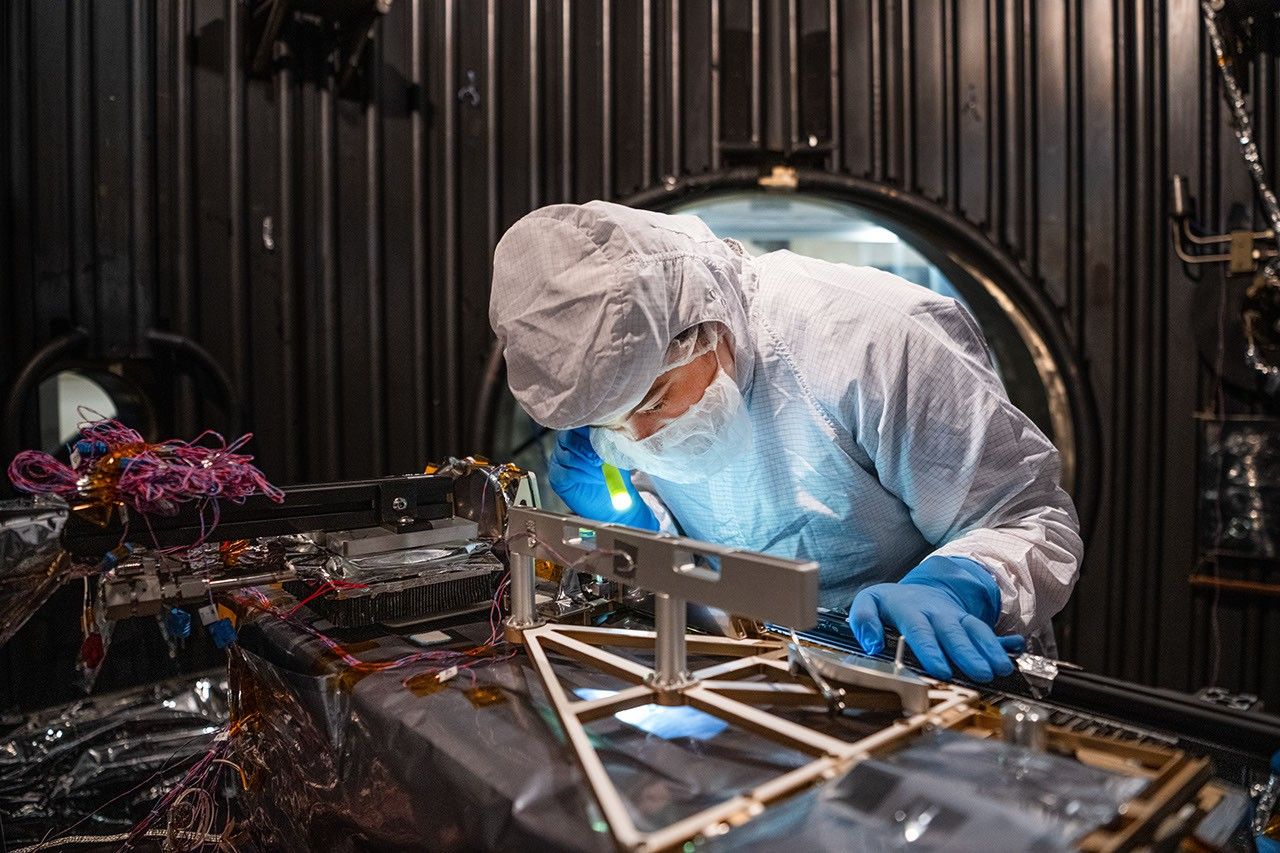
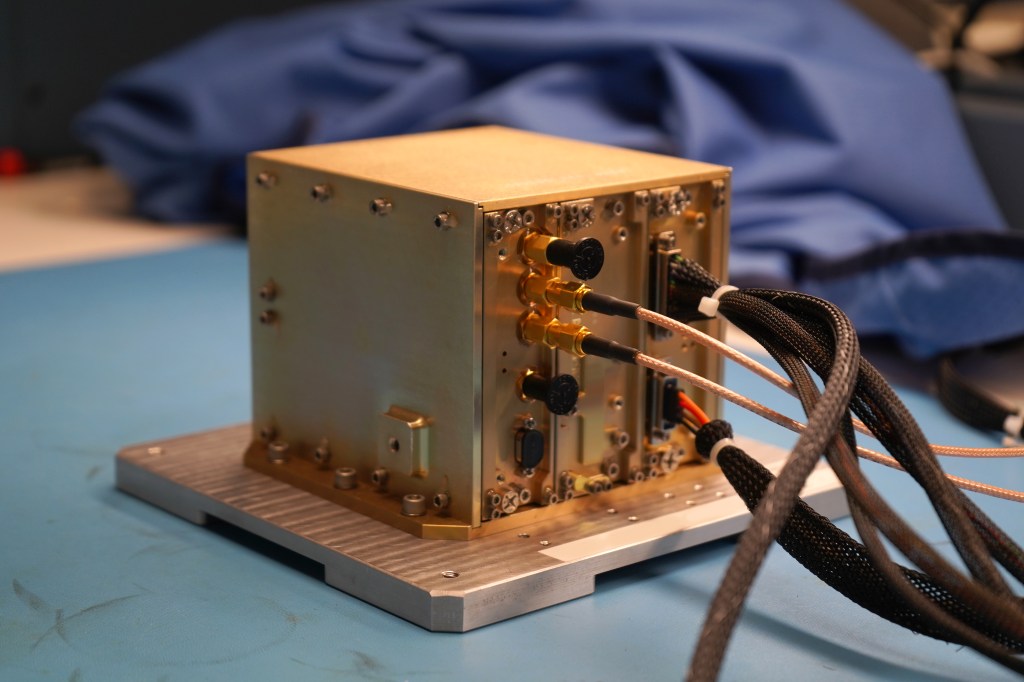
NASA Completes Astronaut-Deployed Science Instrument for Lunar Surface
Building the Moon Base: NASA Stories at the Ion
CLPS Moon Missions, Mapped
Explore an interactive map of NASA’s CLPS (Commercial Lunar Payload Services) landing sites to see where commercial landers have touched down and where future missions are headed. From science investigations to technology demonstrations, discover how commercial deliveries are expanding exploration across the lunar surface and helping pave the way for Moon Base development.
Explore about CLPS Moon Missions, Mapped
Living and Working at the Lunar South Pole
The lunar South Pole region presents an environment unlike any previously explored by humans. This interactive experience demonstrates how the areas targeted for Artemis missions and future Moon Base development differ from the locations explored during Apollo.
Explore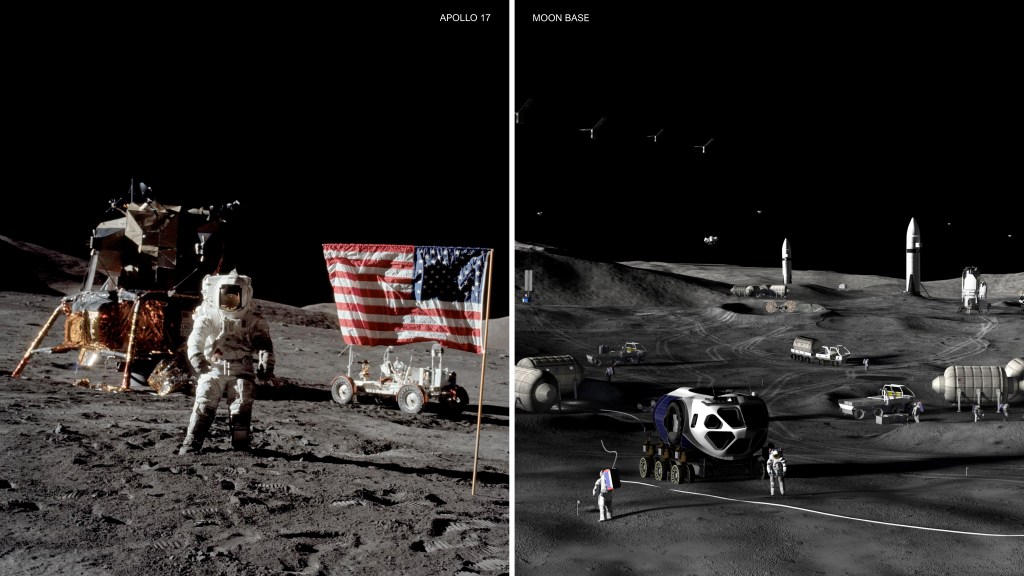
Exploring Earth’s Nearest Neighbor
Lunar exploration advances science and serves as a proving ground for future missions to Mars.
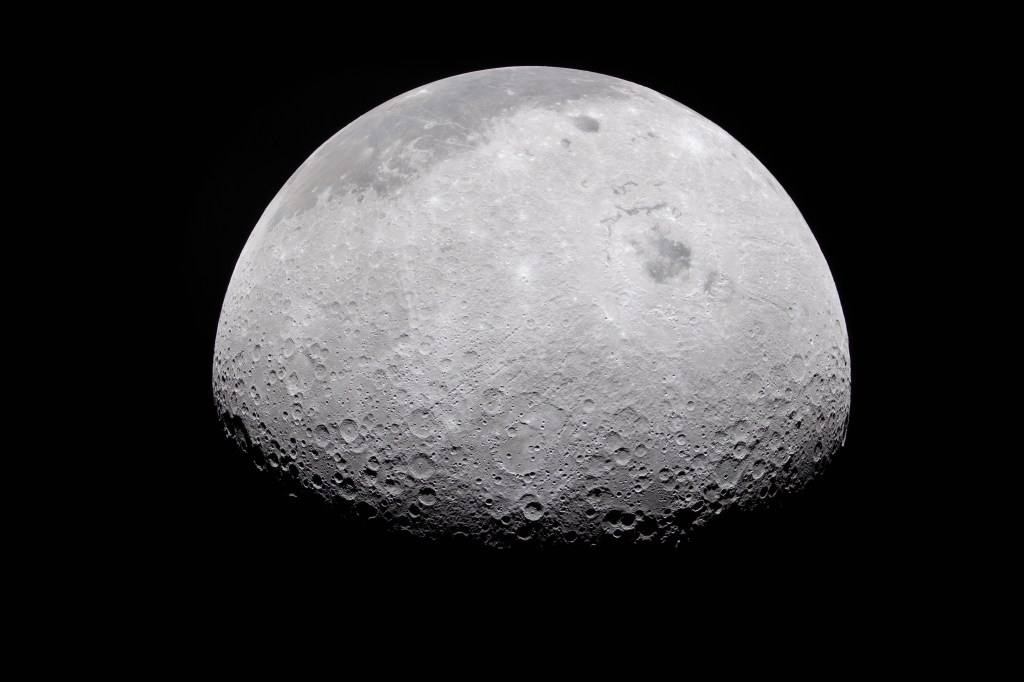
The Moon is the gateway to the solar system. A world equivalent to an entire continent that human feet have touched only a few times. As Earth’s nearest planetary neighbor, the Moon has profound potential to be a source of new scientific advances. It is also the best place for us to test our deep space systems and operations in preparation for the first human mission to another planet: Mars.

Advancing Discovery on the Moon
The Moon holds clues that can help answer fundamental questions about our solar system.
Every mission to the Moon is an opportunity to make new discoveries. Lunar science investigations provide a unique platform for research that can’t be conducted anywhere else and help answer important questions about the history of the Moon, Earth, and our solar system.
The Technology Behind Moon Base
Discover the technologies NASA is developing to power, build, and sustain humanity’s first outpost on the Moon.
Reliable power. Autonomous robots. Lunar dust mitigation. These are just some of the technologies NASA is developing to support long-term exploration near the lunar South Pole. Learn how these innovations will help enable the Moon Base.