












Come get curious with NASA. As an official NASA podcast, Curious Universe brings you mind-blowing science and space adventures you won’t find anywhere else. Explore the cosmos alongside astronauts, scientists, engineers, and other top NASA experts. Learn something new about the wild and wonderful universe we share. All you need to get started is a little curiosity.
Come get curious with NASA. As an official NASA podcast, Curious Universe brings you mind-blowing science and space adventures you won’t find anywhere else. Explore the cosmos alongside astronauts, scientists, engineers, and other top NASA experts. Learn something new about the wild and wonderful universe we share. All you need to get started is a little curiosity.
NASA’s Artemis II mission has flown around the Moon, and its four astronauts traveled farther from Earth than anyone in history. Relive this historic mission through the astronauts’ own words, including their scientific descriptions of the Moon’s surface, as well as the role of “space plumber” troubleshooting the toilet and the astronauts’ unifying message for humanity.
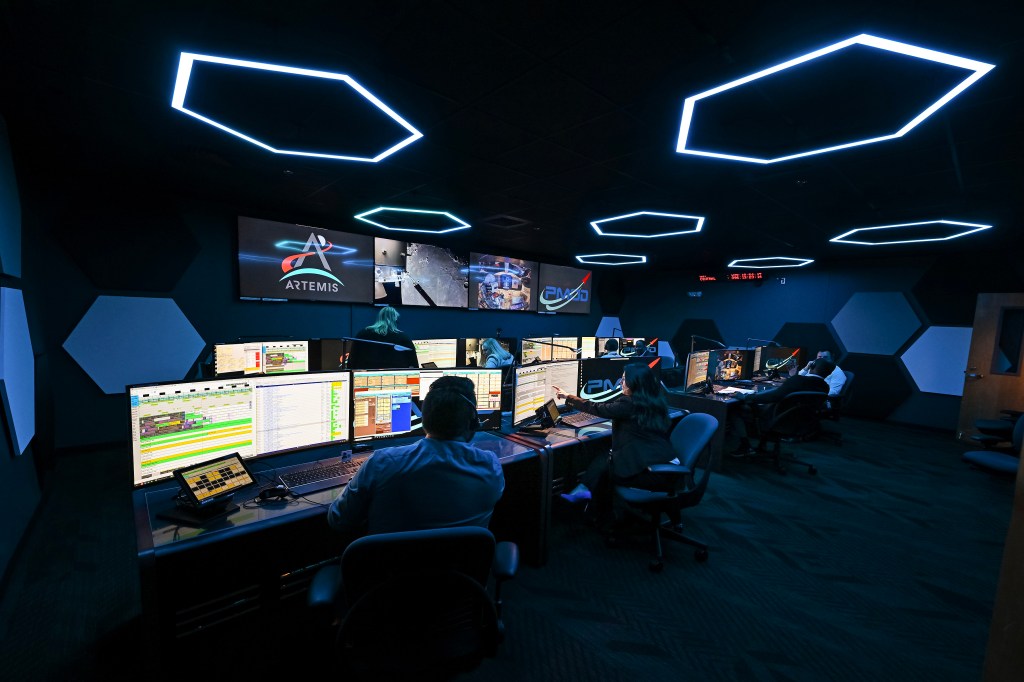
Liftoff! NASA’s Artemis II mission launched on April 1, 2026, carrying four Moonbound astronauts. After an approximately 10-day mission, Artemis II ends with a splash. Lili Villarreal, the recovery and landing director for Artemis II, leads the team that will bring home the astronauts and their spacecraft. She describes the recovery playbook, which includes many contingency plans, and the rehearsals that have prepared her team for the mission. For Artemis II news and the latest launch information, visit nasa.gov/artemis-ii
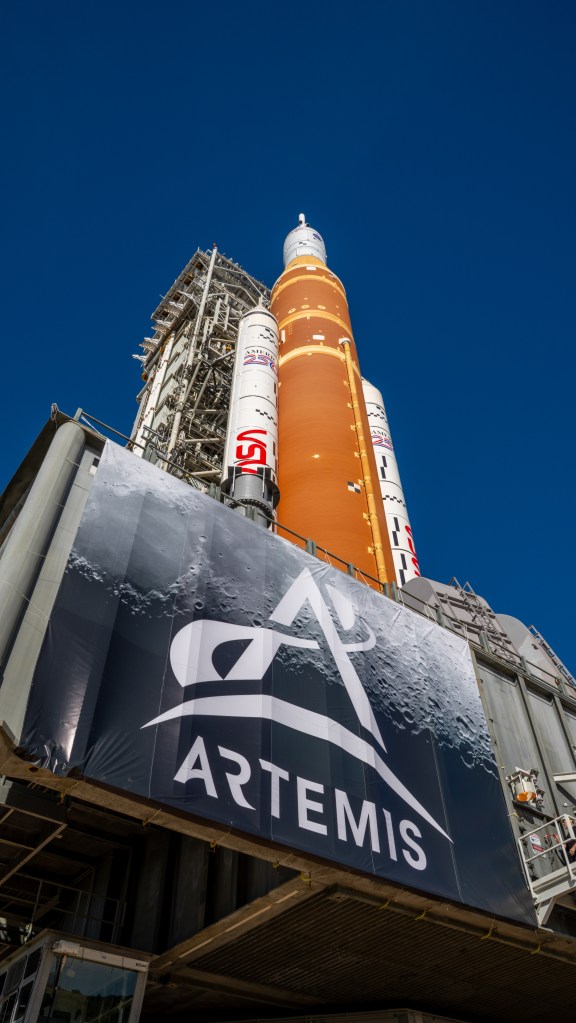
Behind NASA’s Artemis II mission and the astronauts who will fly around the Moon, teams on the ground are essential. Explore some of the epic equipment that makes Artemis II possible—the mobile launcher, crawler-transporter, and NASA’s barge Pegasus—and meet a few of the many specialists who act as the shoulders lifting astronauts into space.
During Artemis II, four astronauts will see the lunar surface as few humans have—and possibly, parts of the Moon’s far side that no one has seen before. Learn what lunar science questions NASA hopes to answer through the astronauts' eyes with lunar geologist Kelsey Young. And those astronauts will also be subjects of science. Jancy McPhee, associate chief scientist of NASA’s Human Research Program, explains how studying human health on Artemis II will prepare us for exploration deeper into space than ever before.