









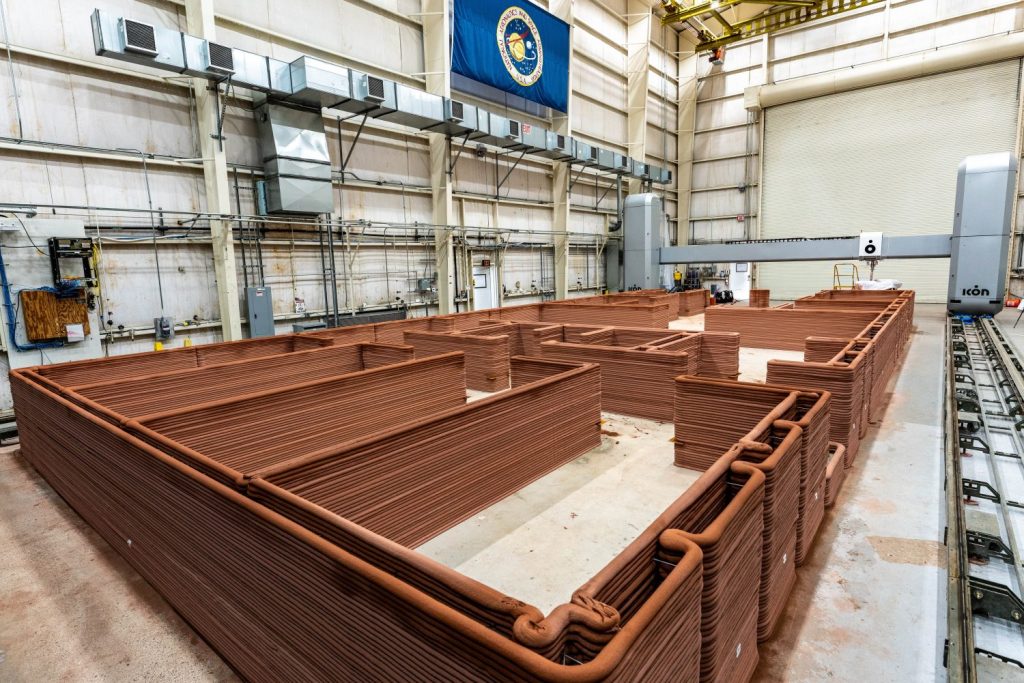

Crew Health and Performance Exploration Analog
The Crew Health and Performance Exploration Analog (CHAPEA) is a series of missions that simulate year-long stays on the surface of Mars. Each mission consists of four crew members living in an isolated 1,700-square-foot habitat. During the missions, crew conduct simulated spacewalks and provide data on a variety of factors, including physical and behavioral health and performance.
CHAPEA Mission 2 Highlights
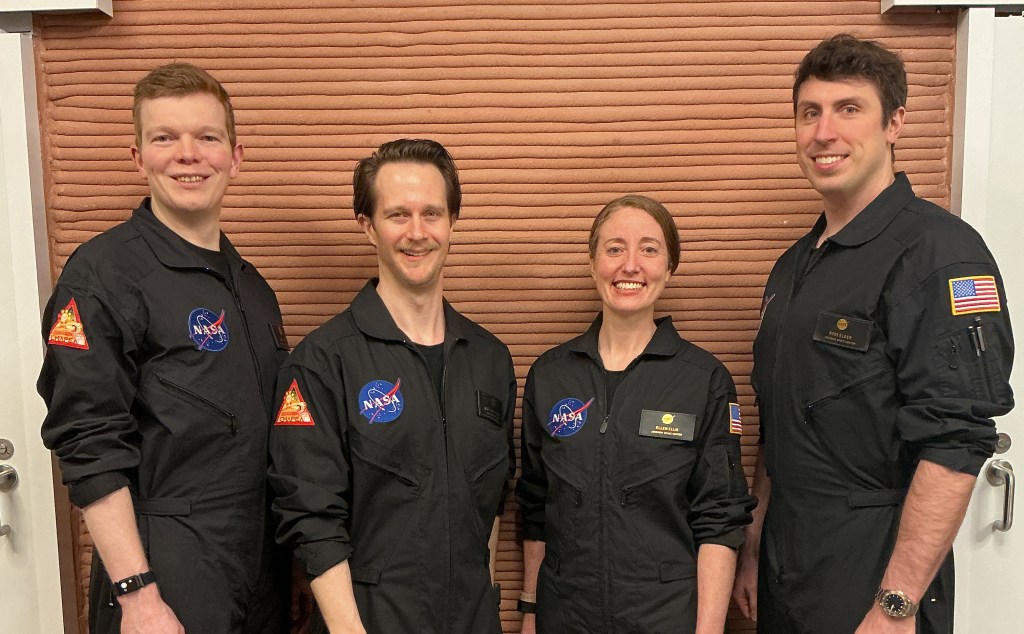
NASA’s Simulated Mars Crew Marks One Year Inside Habitat
With one year behind them, the four CHAPEA Mission 2 crew members are gearing up for the end of their 378-day mission.

Podcast: Crew Members Discuss Loss of Communication With Earth
The crew discusses navigating a simulated two-week communication blackout.

Podcast: Crew Members Discuss Day-To-Day And Updates
In their sixth month, the Mission 2 crew members share their latest updates, including details on daily life, holiday celebrations, and habitat routines.
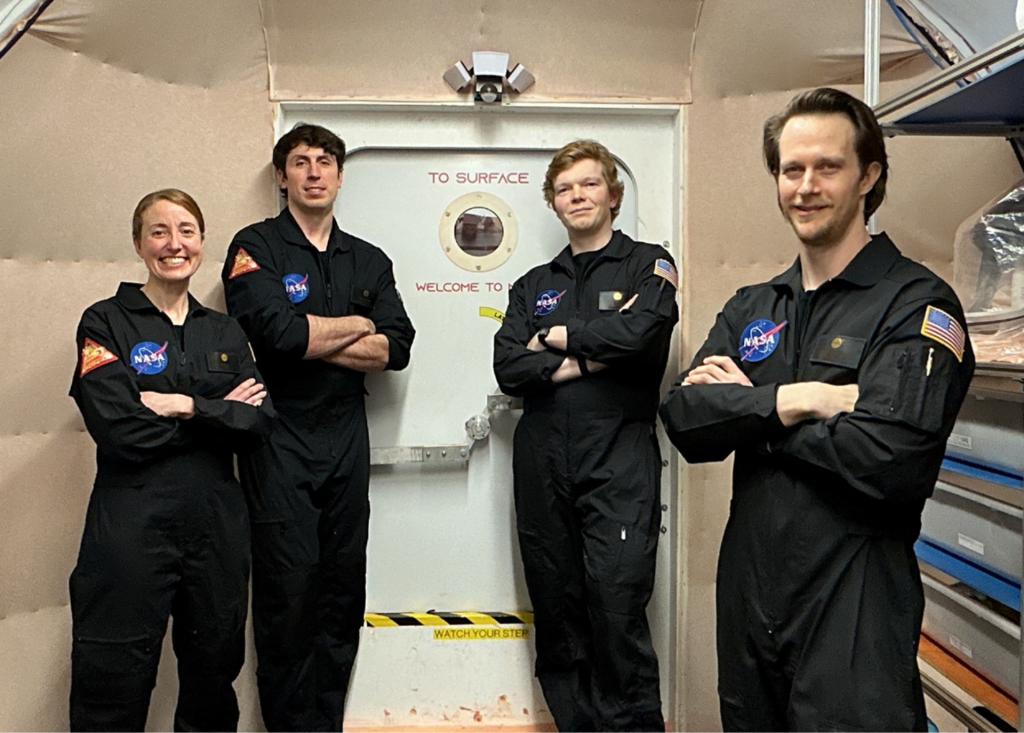
NASA’s Simulated Mars Mission Marks 200 Days Inside Habitat
With half their mission completed, the crew continues to provide NASA with valuable insights on how humans adapt to isolation, confinement, and resource limitations — all critical factors for future exploration of the Moon and Mars.
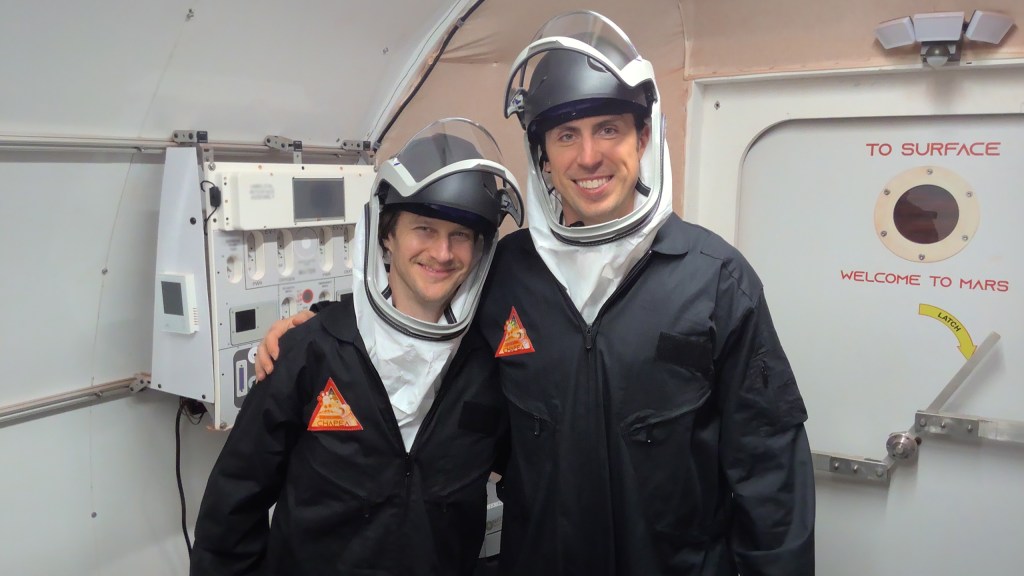
Podcast: The First Audio Log With The Crew in the Habitat
Mission 2 crew members record their first audio log just weeks after entering the Mars analog habitat.

CHAPEA Mission 2 Has Begun!
Ross Elder, Ellen Ellis, Matthew Montgomery, and James Spicer are now living and working inside the 3D-printed habitat at the agency’s Johnson Space Center in Houston until Oct. 31, 2026.
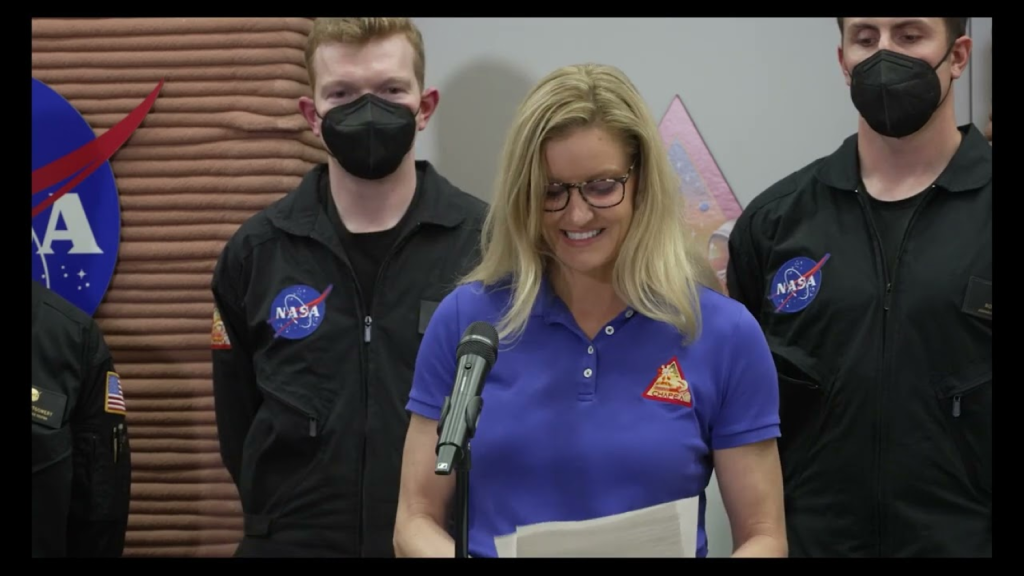
Watch: CHAPEA Ingress Ceremony
A crew of four research volunteers stepped inside NASA’s CHAPEA habitat on Oct. 19, marking the start of the agency’s second 378-day simulated Mars mission.
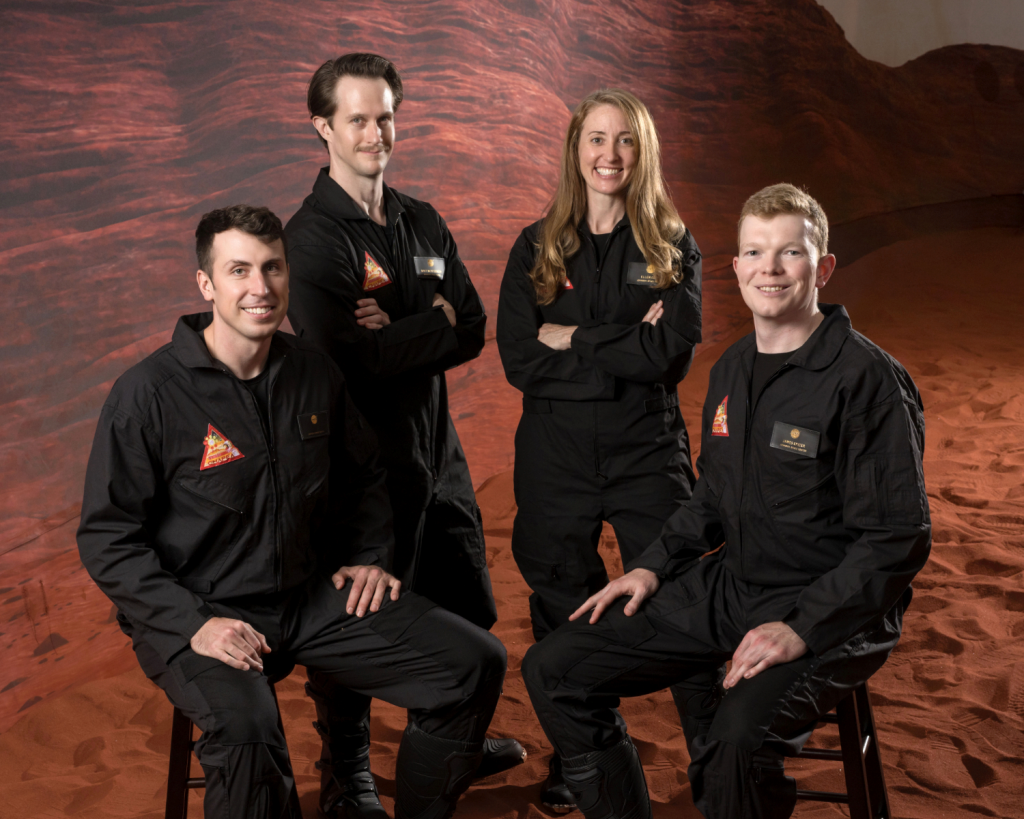
Podcast: New CHAPEA Crew Members Discuss Their Mission
Before the crew entered the habitat, they sat down and talked about their mission on an episode of "Houston We Have a Podcast."

NASA Announces CHAPEA Crew for Year-Long Mars Mission Simulation
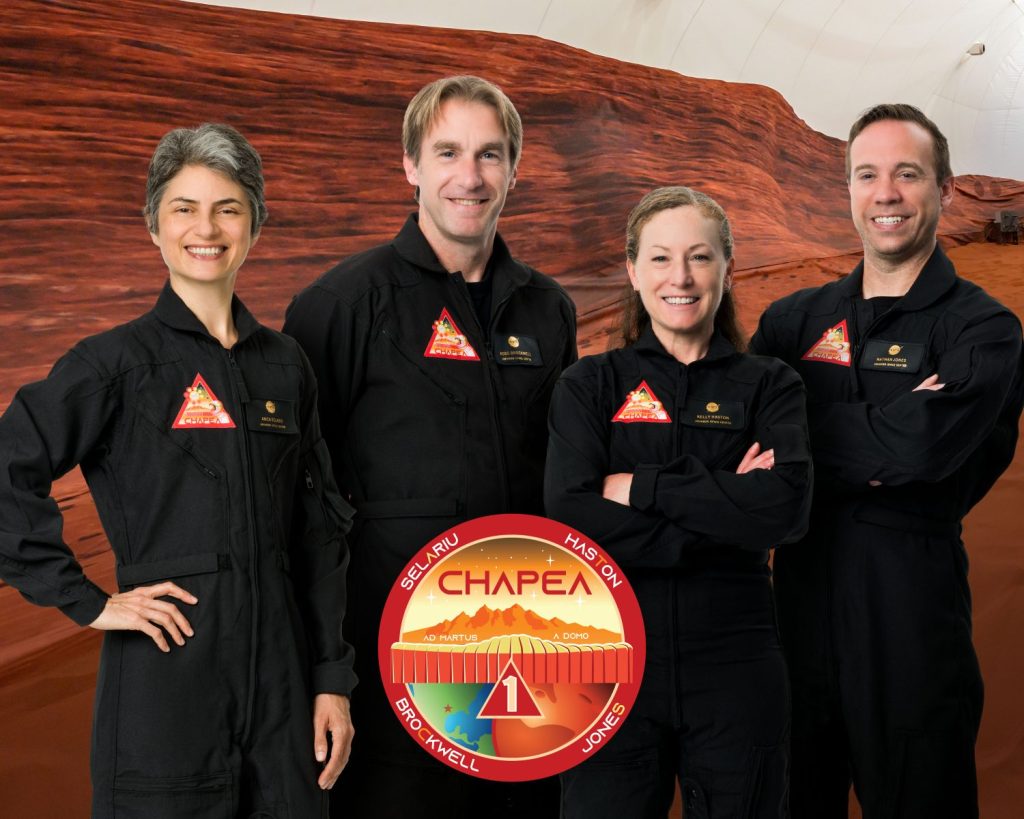
Meet the four research volunteers whose work will help NASA make informed trades between risks and interventions for long-duration exploration missions.
Learn About CHAPEA
About CHAPEA
CHAPEA is a series of analog missions that will simulate year-long stays on the surface of Mars.
3D Printing a Mars Habitat
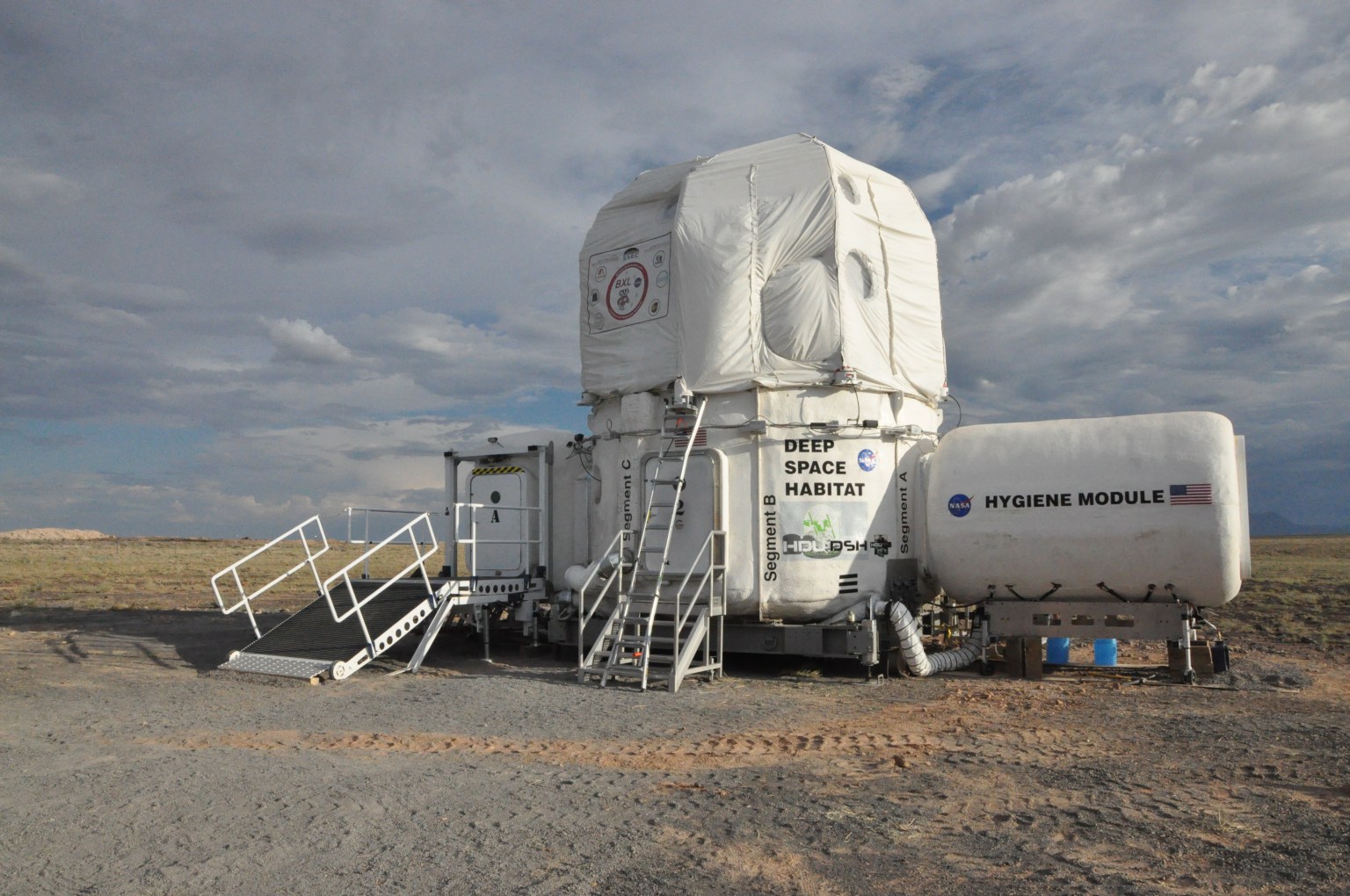
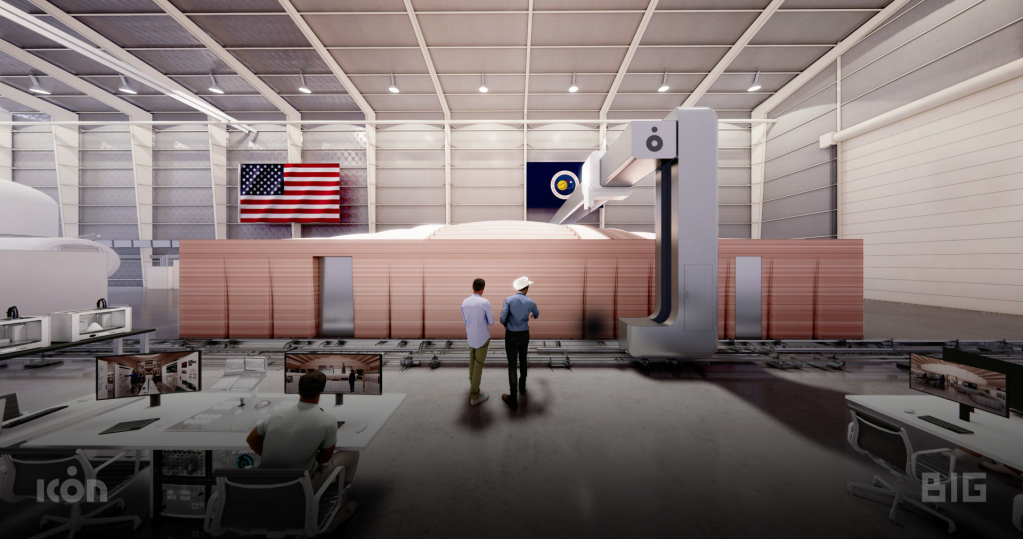
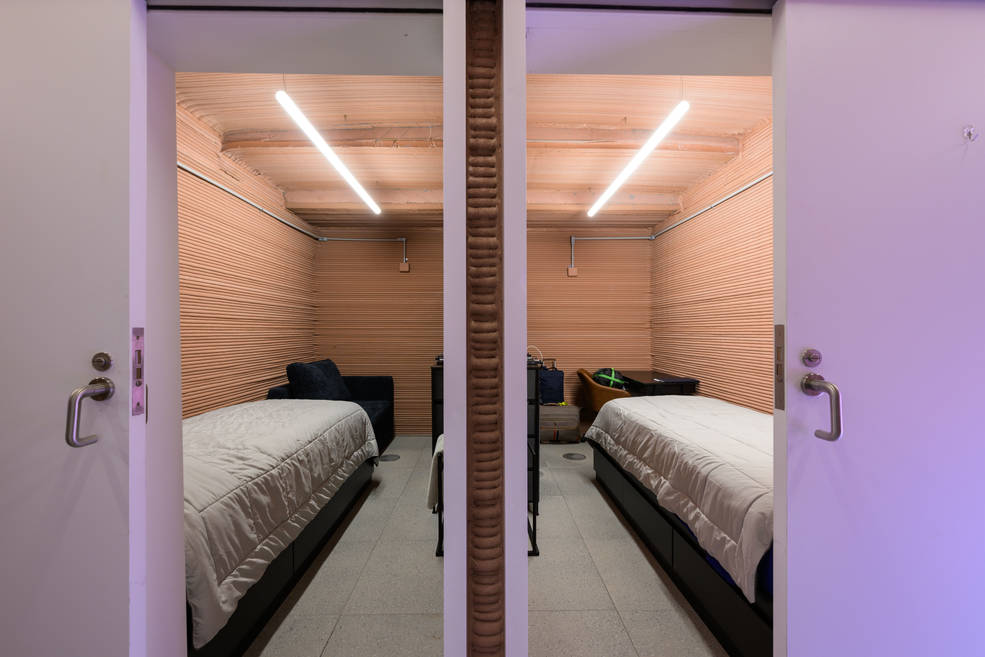
CHAPEA is a 3D-printed structure designed to provide separate areas within the habitat for living and working.
WATCH: Timelapse Video of CHAPEA's Construction
Get a bird's-eye view of CHAPEA being printed!
CHAPEA Mission 1 Highlights
Mission 1 began June 25, 2023 and ended July 6, 2024. Get a mission overview, meet the Mission 1 crew, watch ingress and egress events, listen to mission-based podcasts, and more!
Learn More About CHAPEA Mission 1