













NASA TechRise Student Challenge
NOW ACCEPTING PROPOSALS
This nationwide contest invites students in sixth through 12th grades attending U.S. public, private, or charter schools — including those in U.S. territories — to team up with their schoolmates to design an experiment under the guidance of an educator. Teams submit ideas for experiments to fly on a NASA-sponsored suborbital commercial flight test. Competition winners receive $1,500 and virtual mentorship to build their payloads. No experience is necessary to join the NASA TechRise Challenge.
challenge status
2026–2027 challenge open
Flight Test Platforms
High-altitude balloon
proposals due
Nov. 2, 2026
flight provider
Aerostar
Developing a Nationwide Workforce | Bringing Experiments to the Launchpad | More about TechRise
Developing a Nationwide Workforce
NASA is calling on middle and high schools across the country to submit science and technology experiment ideas to its sixth TechRise Challenge. The contest seeks to equip America’s future workforce with the skills needed to advance the U.S. aerospace economy, giving students real-world experience with the same processes that professional researchers follow. Nearly 20,000 students from across all 56 U.S. states and territories have engaged in the experiment design and proposal process for TechRise since 2021.
Visit the competition siteBringing Experiments to the Launchpad
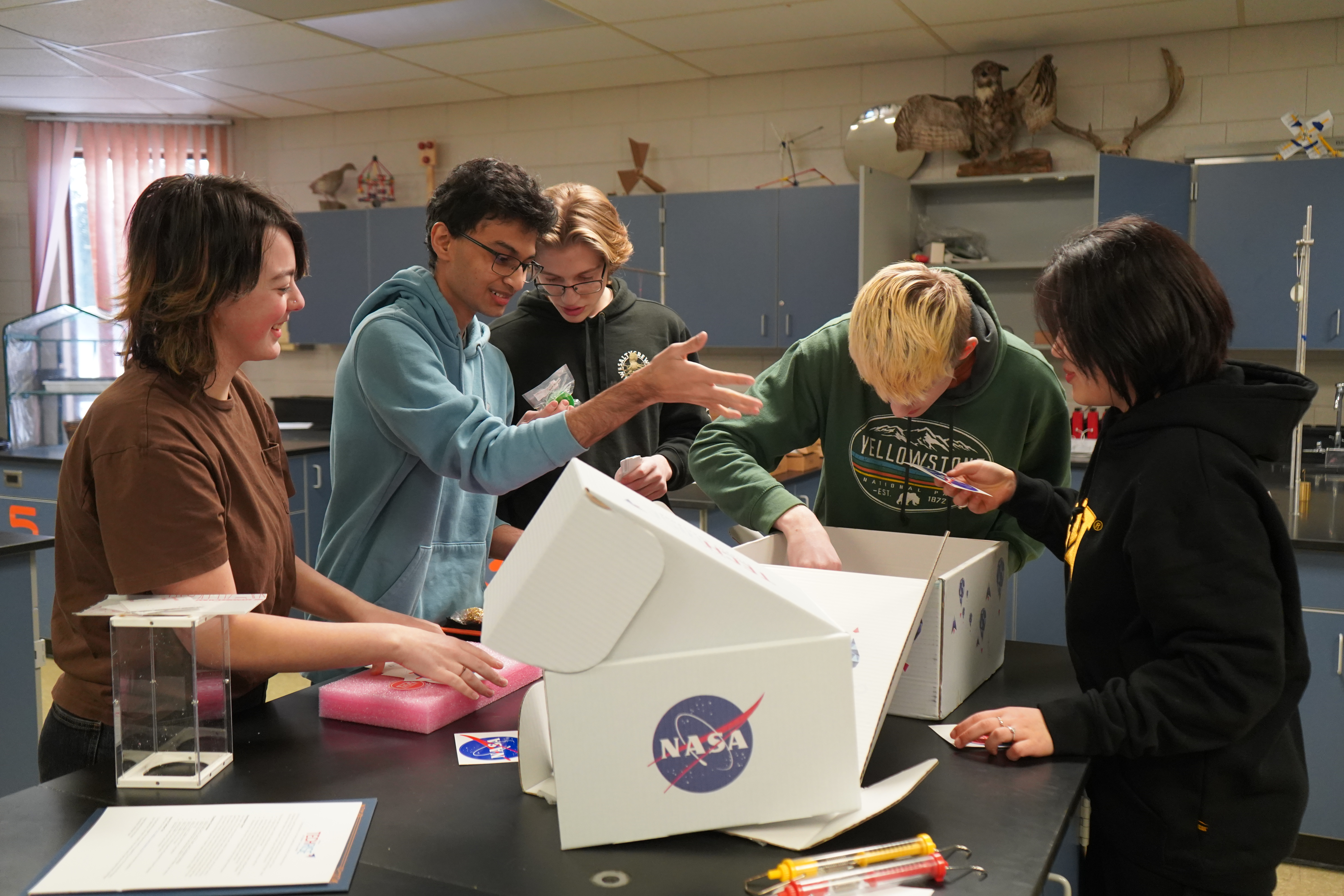
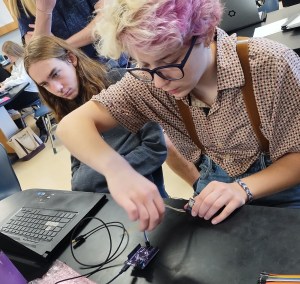
The 2025-2026 winning team at Dickinson High School in Dickinson,
North Dakota, unpack their NASA TechRise starter kit, which includes
a flight box in which to build their experiment. Credits: Sarah Trustem
(Dickinson High School)Flying a payload on a suborbital vehicle exposes it to the conditions of space, allowing researchers — and TechRise students — to collect the data they need to validate their hypotheses and advance their research.
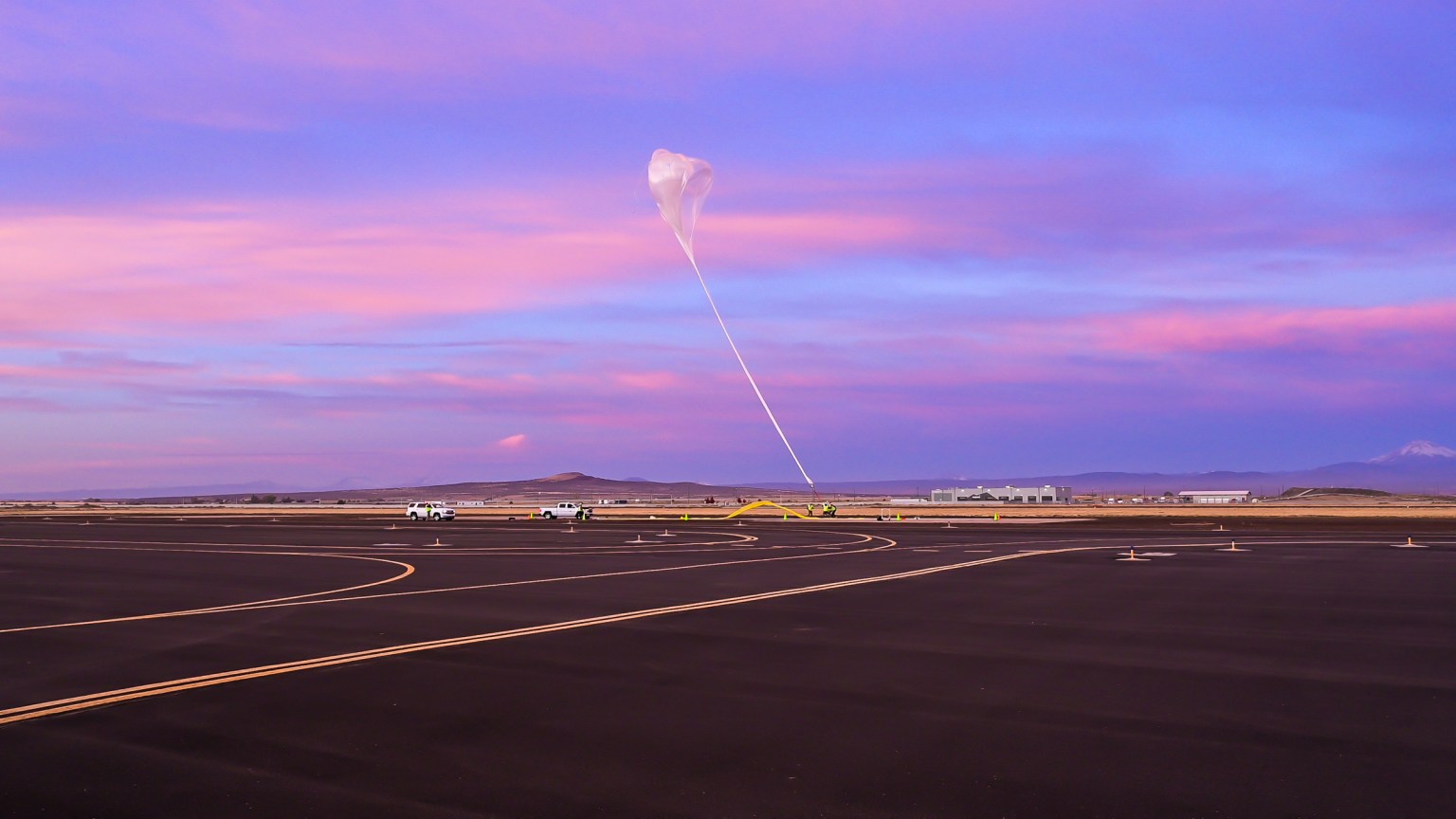
This year, students will propose to fly their experiment on a high-altitude balloon operated by Aerostar of Sioux Falls, South Dakota. The high-altitude balloon will provide approximately four hours of flight time at about 70,000 feet with exposure to Earth’s upper atmosphere, radiation, and perspective views of Earth.
NASA will select 60 winning teams to turn their proposed experiment ideas into reality. A wide variety of resources are available to support teams through the submission process, including virtual information sessions upon request and a student virtual field trip. In addition to $1,500 to build their payload, winning teams will receive technical support and mentorship to bring their projects to life.
To enter the competition, teams propose their experiment ideas online using the design guidelines and proposal template on the competition site. NASA expects to announce the winners in January 2027. The selected student teams build their payloads from January to May 2027, and the final experiments are scheduled to take flight in summer 2027.
Submit by Nov. 2, 2026.
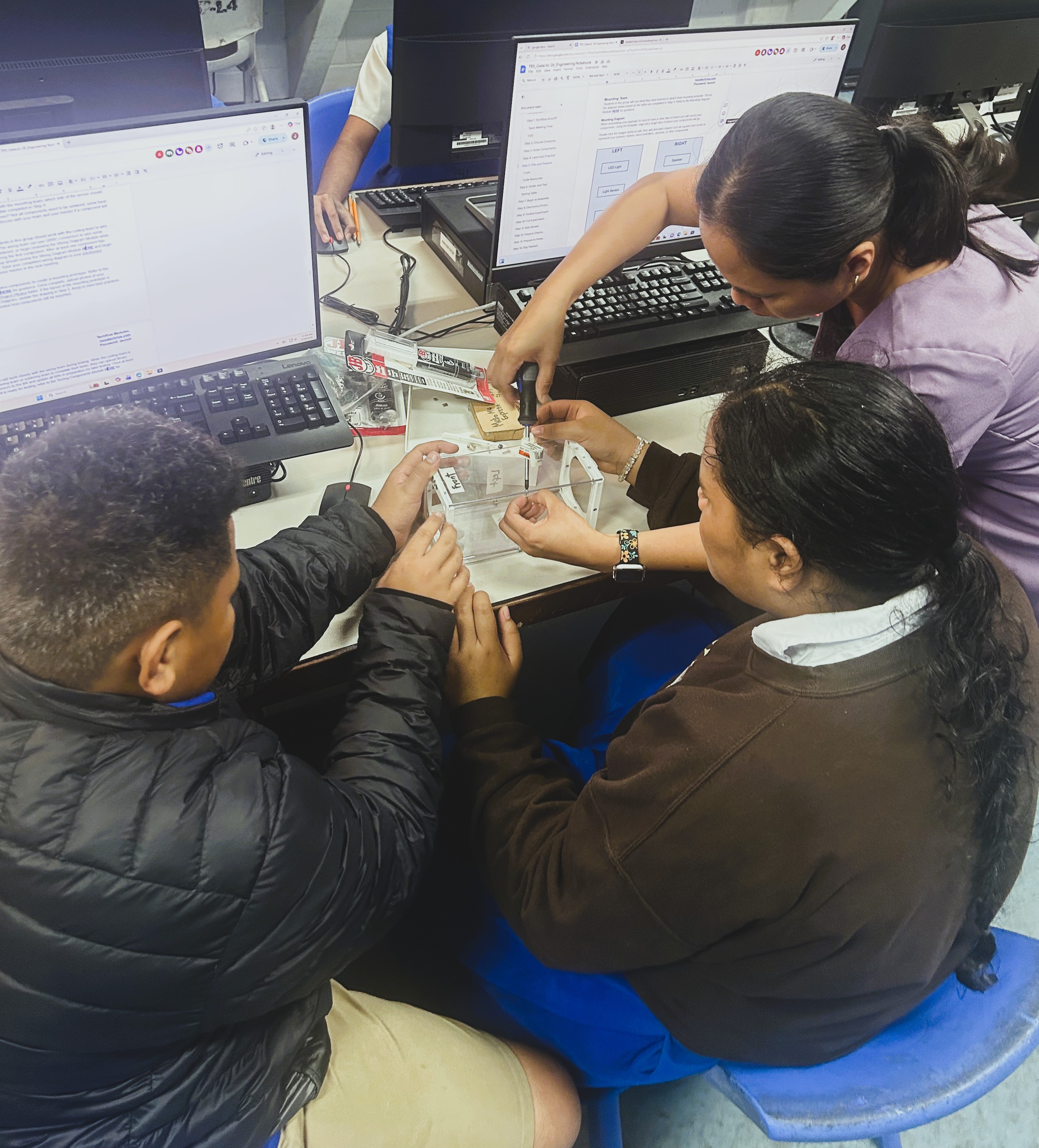
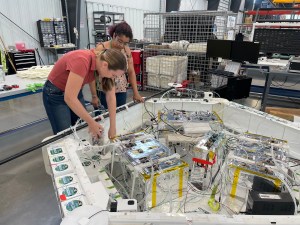
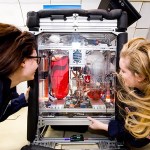
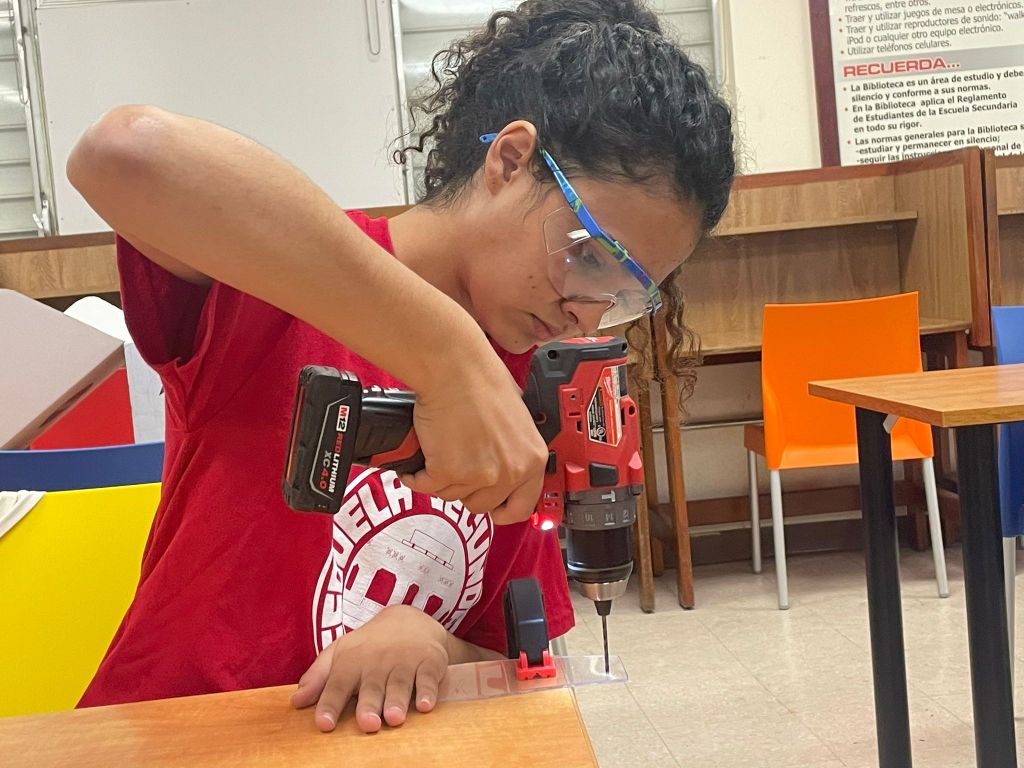
(left) Students from the 2025-2026 winning team at Marist Saint Francis Elementary School in Pago Pago, American Samoa, work on mounting their payload. Credits: Susan Tupuola (Marist Saint Francis Elementary School)
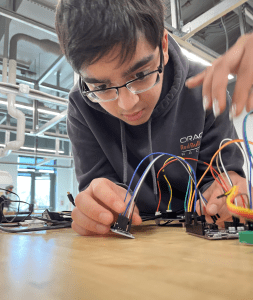
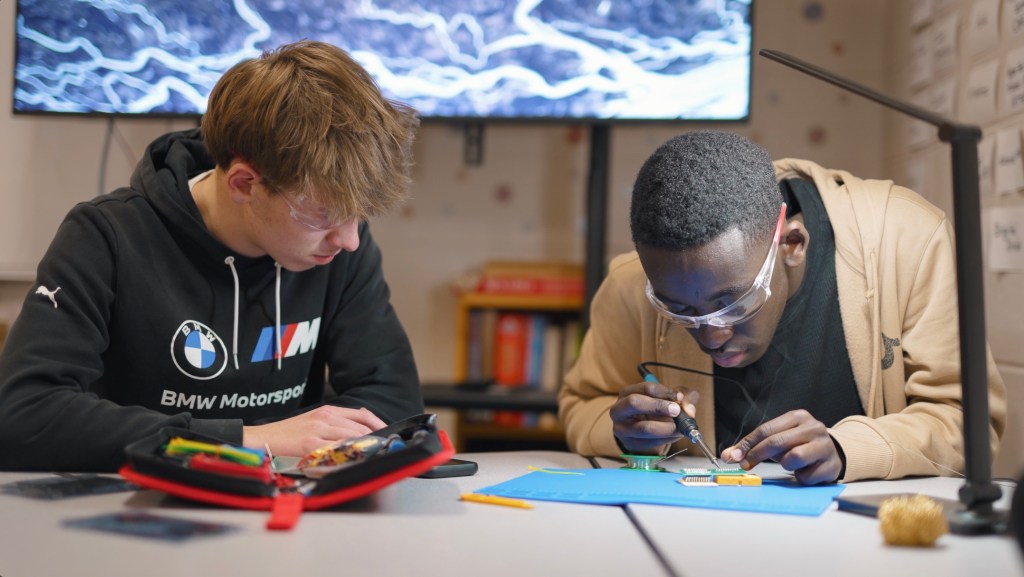
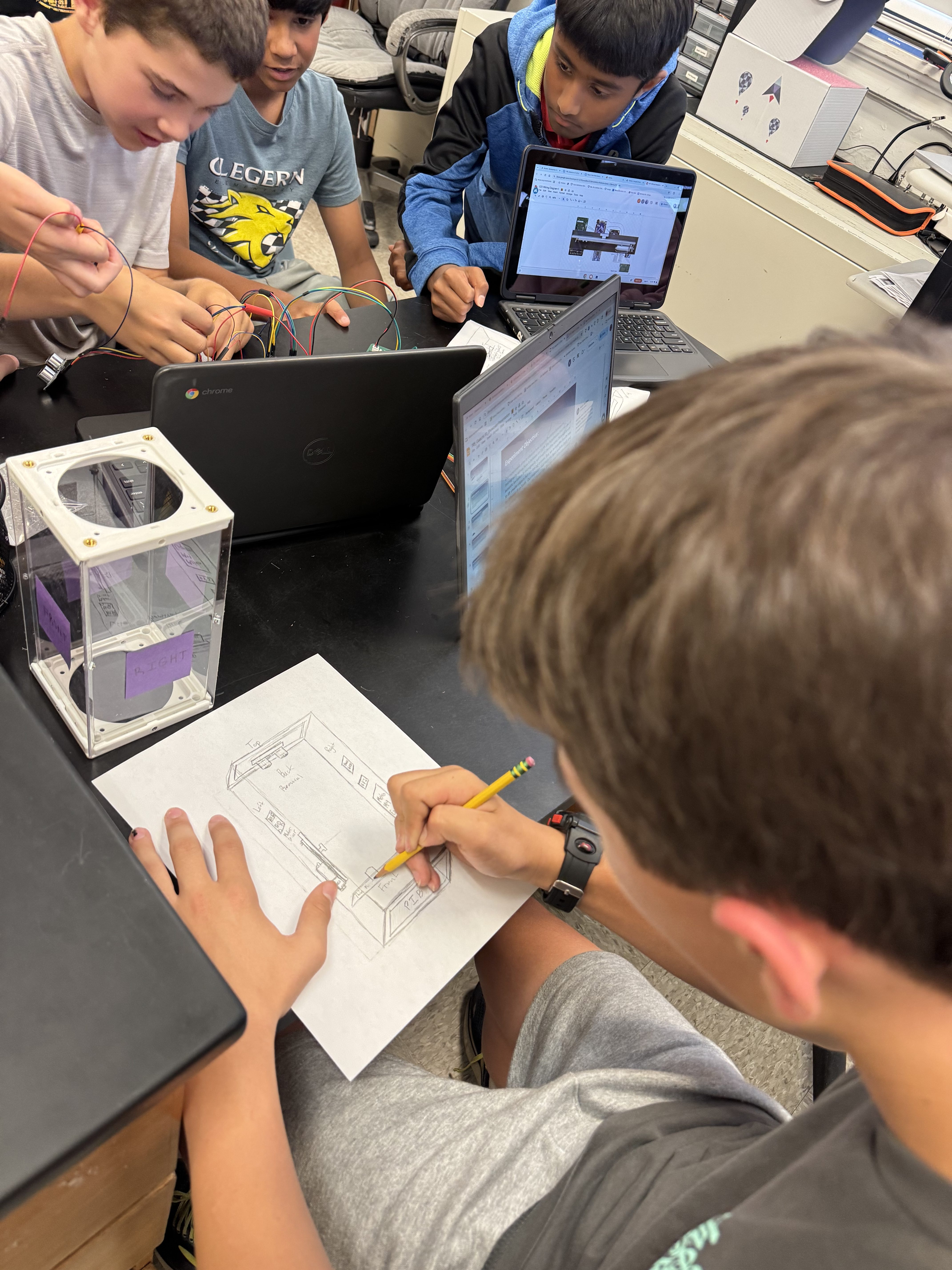
(right) Students from the 2025-2026 winning team at Classen School of Advanced Studies Middle School in Oklahoma City, Oklahoma, work on wiring and drawing a diagram during a team meeting. Credits: Classen SAS Middle School
“Tomorrow’s workforce depends on the bright minds of today’s students. By engaging the next generation of our workforce with hands-on learning opportunities like TechRise, we aim to give them the skills they need to take our country forward in technology, science, and space exploration.”
Danielle McCulloch, program executive, NASA’s Flight Opportunities program
More About the TechRise Student Challenge
Managed by NASA’s Flight Opportunities program at the agency’s Armstrong Flight Research Center in Edwards, California, and administered by Future Engineers, the TechRise Student Challenge fosters the U.S. space industry through use of commercial vehicles for flight tests, while strengthening America’s space technology researcher community and enabling students across the country to engage directly with professional engineers. Flight Opportunities purchases flight testing services from its portfolio of commercial providers for the competition.
TechRise is one of many NASA Prizes, Challenges, and Crowdsourcing efforts within NASA’s Research and Technology Mission Directorate offering opportunities for the public to contribute to America’s space program.
Visit the competition site
TechRise News
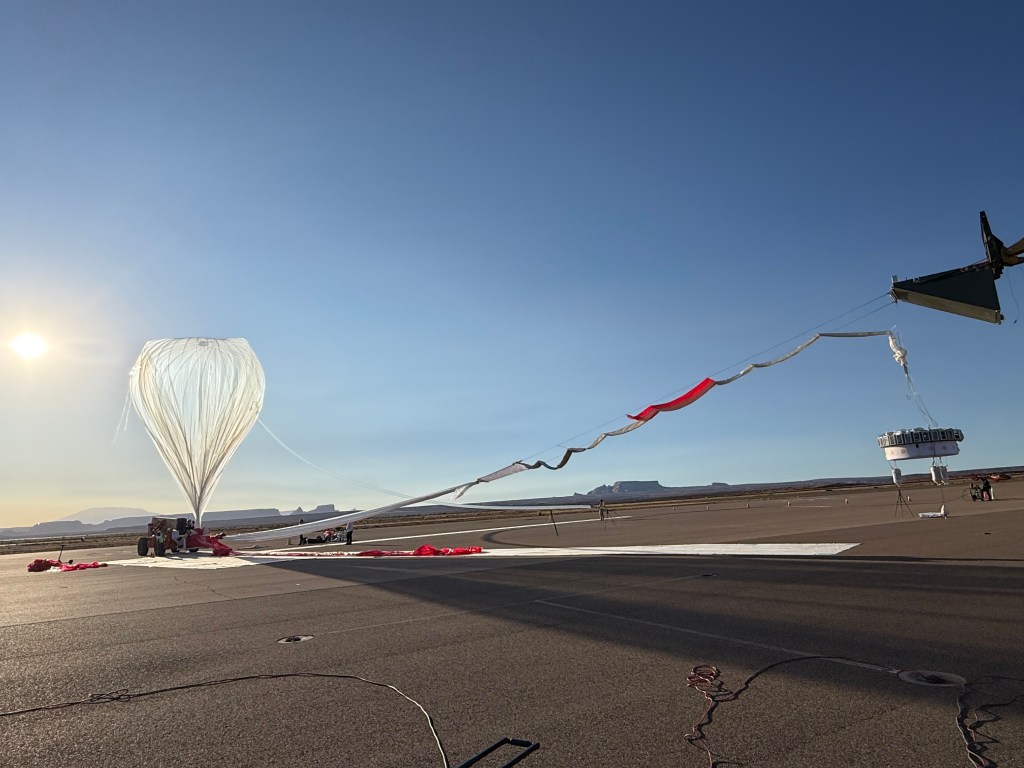
Projects from the Next Generation Take Flight in 2026
Students Gain Real-World Experience in 2025
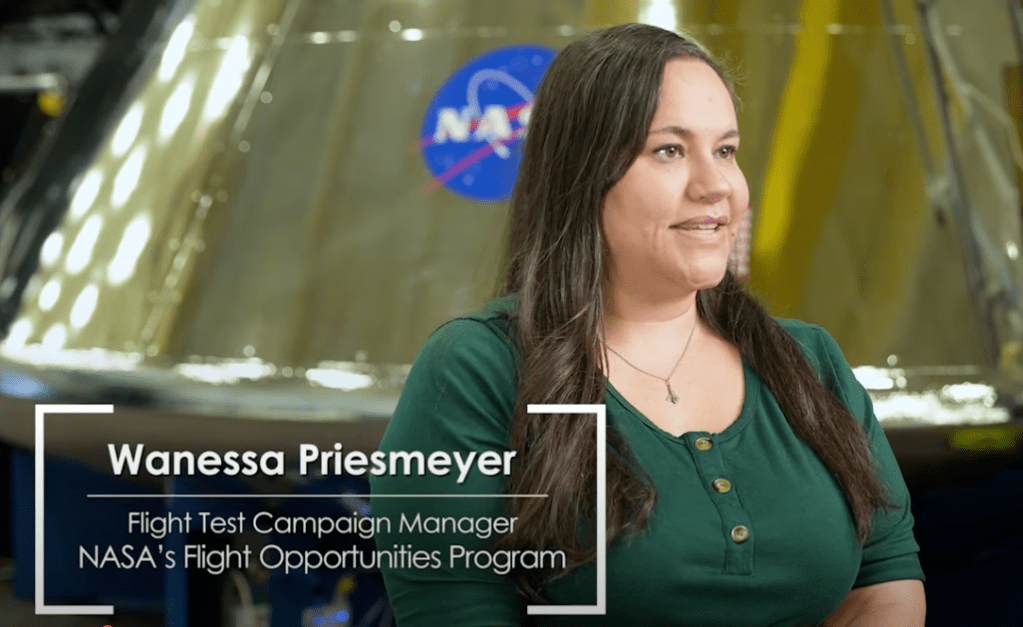
Faces of Technology: Meet Wanessa Priesmeyer
Wanessa Priesmeyer discusses her work as a flight test campaign manager as well as the TechRise Challenge.
Student Innovations Soar in 2024

NASA Selects Winners of Third TechRise Student Challenge
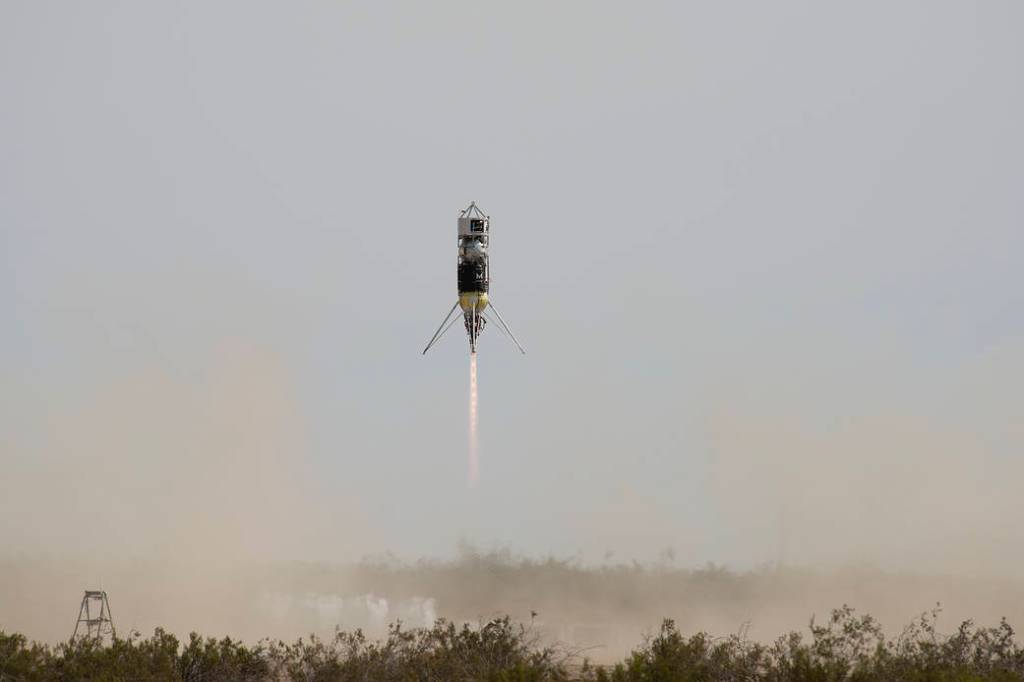
NASA Challenges Students to Fly Earth and Space Experiments
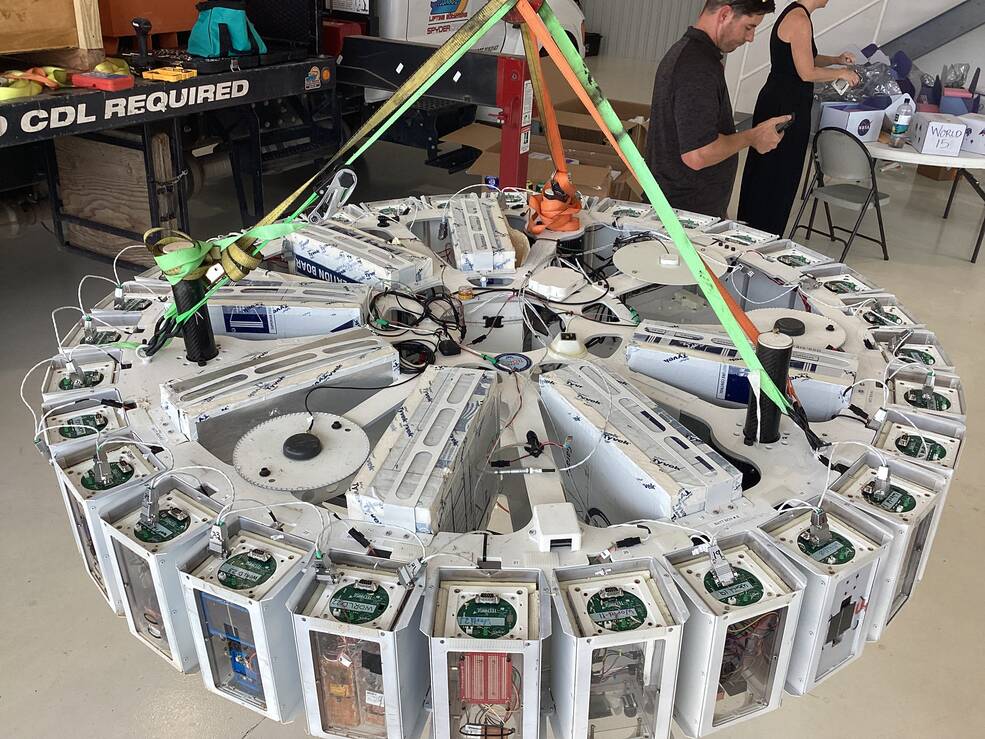
NASA TechRise Student Challenge Tests Experiments in Stratosphere

NASA TechRise Student Payloads Explore New Heights
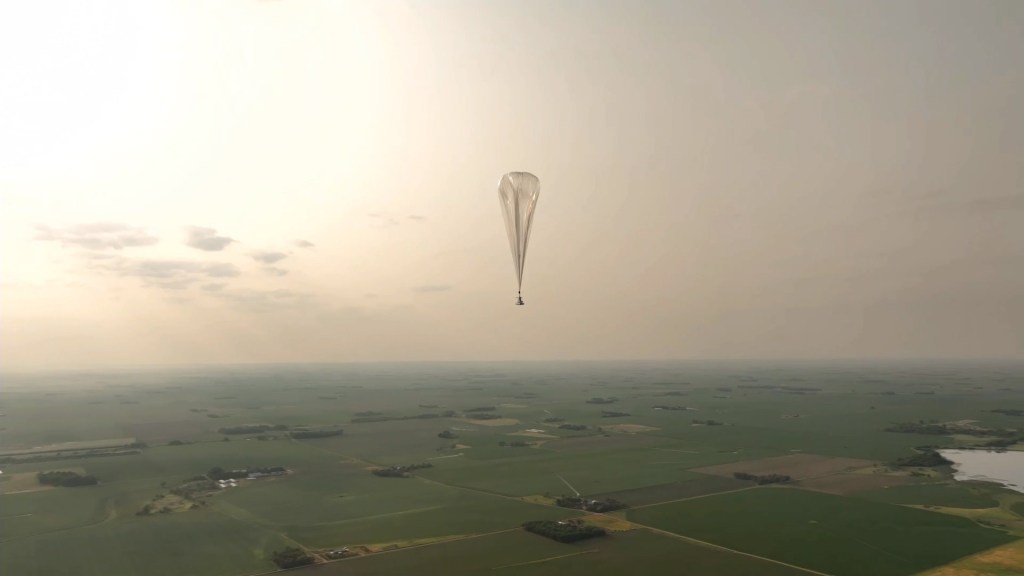
Rising to the Challenge: NASA TechRise Student Teams Take Flight
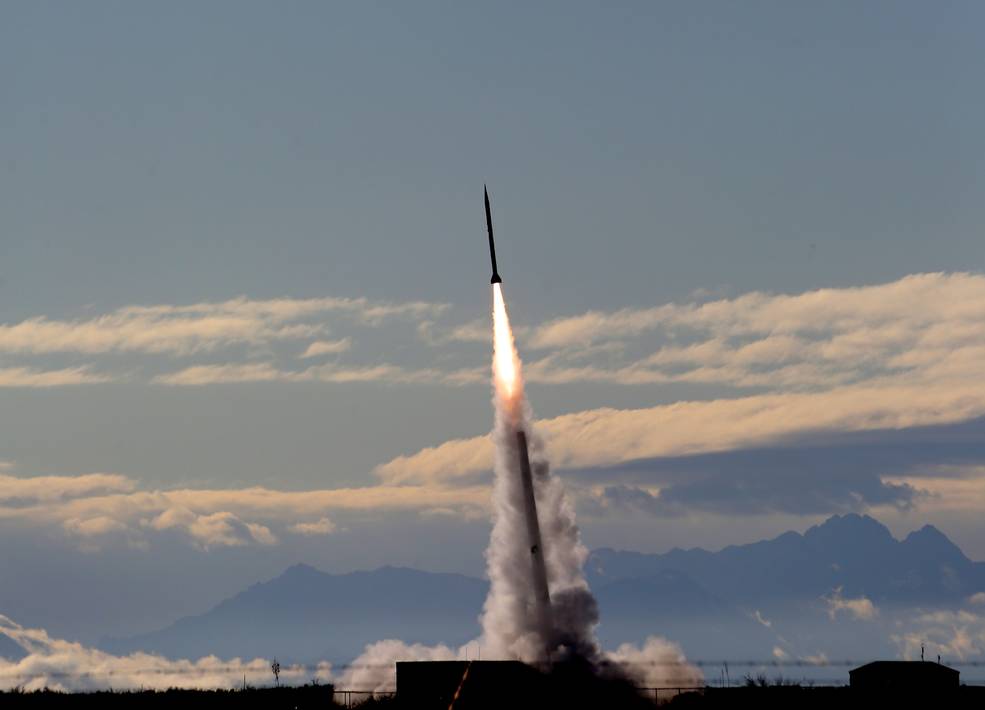
NASA TechRise Student Experiments Count Down to Flight
Media